
Best Practices from Kurt Salmon
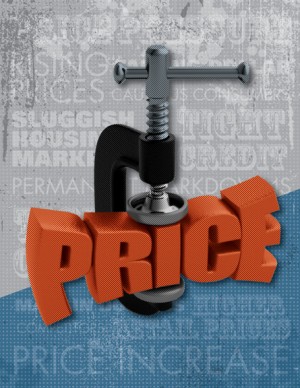
The industry knows consumer prices will have to rise this year. Now the question is: by how much?
Thanks mostly to a dramatic rise in input costs, retailers are being forced to rework their pricing strategies, shifting focus from permanent markdowns to initial and temporary promotional pricing.
But the current economic landscape—rising commodity and labor costs against a sharply falling dollar, tight credit, sluggish housing markets and cautious consumers—means retailers are particularly wary of passing along any significant price increases to consumers, especially on discretionary items.
The challenge then is how to deliver acceptable margins and stave off competition while still maintaining brand position and retaining core customers. In short, retailers are overhauling the very core of their pricing strategies, asking:
1. Will my customers accept higher retail prices? If so, in which categories and by how much?
Successful retailers will not assume they instinctively know the answers to these questions; instead, they will leverage multiple data sources to determine their customers’ likely attitudes and behaviors toward prices. For example, while it’s a fair assumption that wealthier customers with larger disposable incomes will be less impacted by price increases, retailers catering to this segment can still use data to understand the point at which these customers feel the impact of rising prices and which items create important price impressions on the rest of a retailer’s offerings. These insights can be gained through a combination of focus groups, historic elasticity curves, competitive intelligence, and a deep understanding of each category’s role in the overall assortment and price tests. These price tests may have surprising results—many retailers with whom we’ve worked report conducting selective price increases over the past several months and not one reported a greater-than-expected drop in demand.