

H&M avoids much of the negative press of its fast fashion cohort. While the Swedish retailer has faced allegations of greenwashing and deforestation, the allegations don’t come up in every conversation about the brand. It has been able to maintain a separate identity from negative politics and environmental defenders. Shein and Zara, on the other hand, have become nearly synonymous with the scandals associated with their brands. Shein’s 2023 accusations of fake factory footage continue to dominate conversations about the Chinese retailer. Zara’s alleged crime of stealing IP from around 40 artists without proper attribution back in 2016 is still associated with the brand.
Why do indie, subculture designers resonate so well with H&M customers? And the answer is: Subculture collabs are more culturally relatable to next gens than the luxury partnerships H&M has offered in the past.
Halo Effect
H&M has managed to maintain relatively decent consumer sentiment, despite some pushback around its environmental impact. So, what’s next for the least offensive brand of the fast fashion trifecta? The Swedish retailer took a page from Uniqlo’s playbook by leaning into indie, global, and underground style movements, tapping into regional subcultures that reflect distinct aesthetics.
High-low partnerships address economic shifts when consumers cut their discretionary spending and seek value-based alternatives. But partnerships with luxury houses aren’t always the answer, either. PYMNTS reports that high-end, independent styles sold at accessible, mid-tier pricing ($50–$300 range) yield higher margins per unit than H&M’s Basics lines. So, there’s value in the agility of independent designers.
Traditional luxury houses be damned. In a market oversaturated with high/low fashion collaborations, H&M is harnessing the talents of independent Chinese designer Jacques Wei to fuel its latest capsule collection. The mid-market collaboration will be followed by this month’s release from Harlem’s Fashion Row (HFR) House New Orleans.
Let’s look at how H&M benefits from collaborating with independent designers and collectives, and how this strategy differs from past collaborations with large luxury brands.
High/Low Collaborations
Jacques Wei brings independent Chinese high fashion to the table. With prices ranging from $400 to $1500, nobody is calling Jacques Wei low market. However, the brand brings a different ethos to the table than, say, Roberto Cavalli, Jimmy Choo, Karl Lagerfeld, Marni, Balmain, or any of the other legendary luxury houses H&M partnered with in the past.
Artistic awareness is the new fashion flex for next gen and next gen minded consumers. While wearing luxury clothing from a well-known brand like Gucci certainly makes a statement, the statement is often more about the wearer’s ability to afford the ticket price than any insider fashion knowledge. So, when consumers don extreme high/low collaborations like Karl Lagerfeld X H&M, the only real flex is knowing that the diffusion collab exists.
And this says nothing of the challenge of creatively collaborating with luxury houses on something the average consumer would actually wear. Consumers said the Lagerfeld/H&M collab looked like restaurant employee uniforms; and need we mention 2022’s trash bag-ridden Yeezy x Gap x Balenciaga collaboration?
H&M’s 2026 Subculture Collabs
Brand collaborations need to go beyond handshake deals in the C-suite to reflect a combined aesthetic that incorporates both lines’ unique perspectives. Merely slapping a high-fashion logo on workwear won’t cut it. To avoid accusations of clout-chasing, partnerships with indie designers need to be deeply integrated in the pieces that are produced. Best-case results lean toward complex yet ready-to-wear wearable wardrobe staples—like Wei’s reinterpreted suiting—rather than single-use novelty pieces with brand names slathered all over them.
- Jacques Wei: February 2026
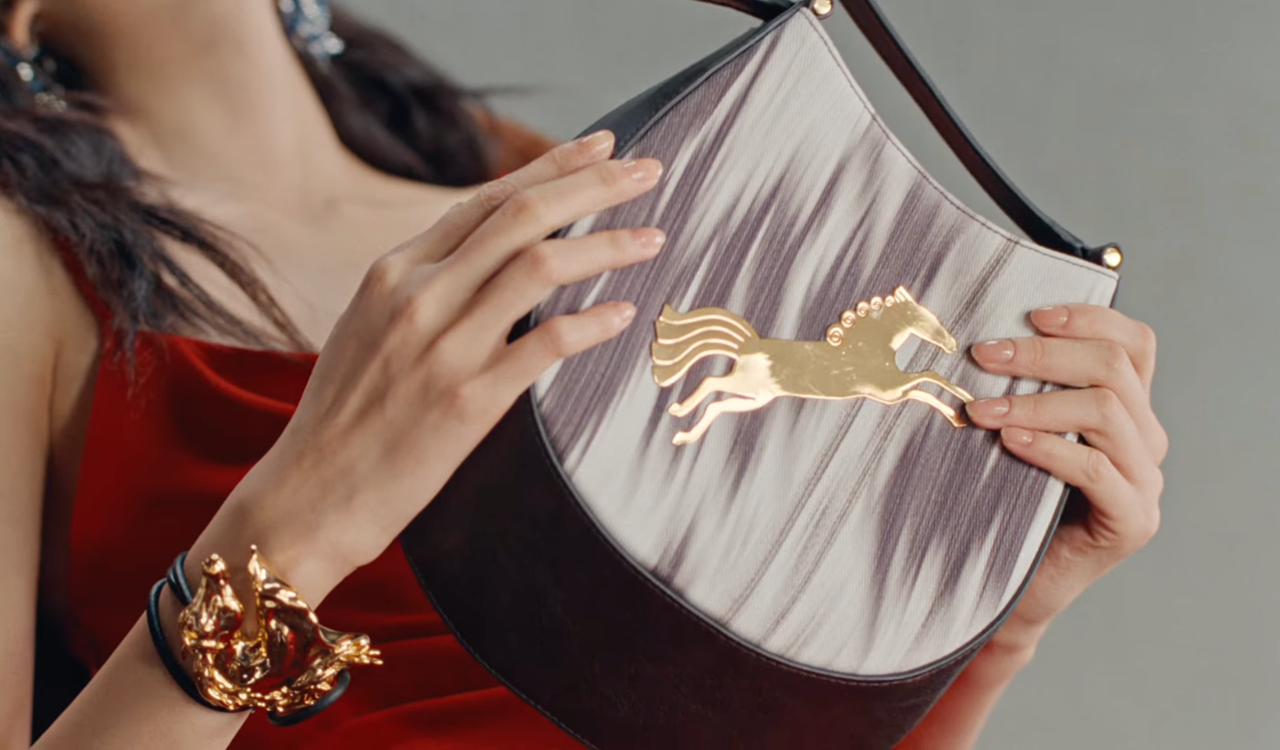
Micro designers invite major brands like H&M to tap into subcultures where they can target specific consumers. The authentic pulse of these collaborations isn’t always available to fast-fashion retailers on their own, as designs are often more influenced by data and ticket price than inspiring creativity in the wearer. But H&M x Jacques Wei February 2026 collaboration for the Year of the Horse gave consumers something delightfully different with Wei x H&M’s “Modern Steed” collection rife with animal prints, metallic accents, and neutral base tones.
- Harlem’s Fashion Row House New Orleans: July 2026
While the Jacques Wei collaboration helped H&M target consumers from the Asian luxury market, its collaboration with Harlem’s Fashion Row (HRF) brings something different to the table. HFR shines a spotlight on emerging Black indie talent, street style, and regional cultural identity. Rather than just celebrate one emerging designer, H&M partnered with HFR to transform the fast-fashion retailer’s French Quarter location into an immersive cultural hub. The collaboration gave a platform to independent designers of color to directly sell pieces from the collective of independent streetwear, luxury, and accessory designers, including BruceGlen, Chuks Collins, and others.
- NYC: August 2026
Which consumer demographic could the H&H x Wardrobe.NYC activation target? The independent label’s luxury line of downtown essentials is geared towards the anti-trend consumer with a minimalist collaboration rooted in the urban subculture of the East Coast. Wardrobe.NYC has a cult following of creatives, which H&M hopes to activate with the upcoming capsule collection filled with mix-and match-pieces in their signature aesthetic.
Midmarket Collaborations Target Agility
H&M’s pivot toward ongoing partnerships with niche designers and independent collectives marks a fundamental shift in its retail strategy: it’s sustained cultural relevance over short-term noise. Today’s hyper-specific consumers demand that fashion reflects their distinct subcultures and identities. While legacy luxury houses often struggle with agility and genuine relatability, independent creators hold the cultural trust that big brands crave.
Rather than fight fashion’s shift from uniform luxury houses to independent limited lines, the creative minds behind H&M began building partnerships to capitalize on the shift. H&M is stepping away from the race for universally recognizable luxury names and doubling down on specificity. The reason? Designers with cult followings bring niche appeal, creativity, and cultural relevance. The fast-fashion behemoth is systematically diversifying its roster to activate targeted micro-audiences. Thus, H&M secures its position as a cultural anchor and creates a path to relevancy that will continue to expand as new micro-activations emerge.