
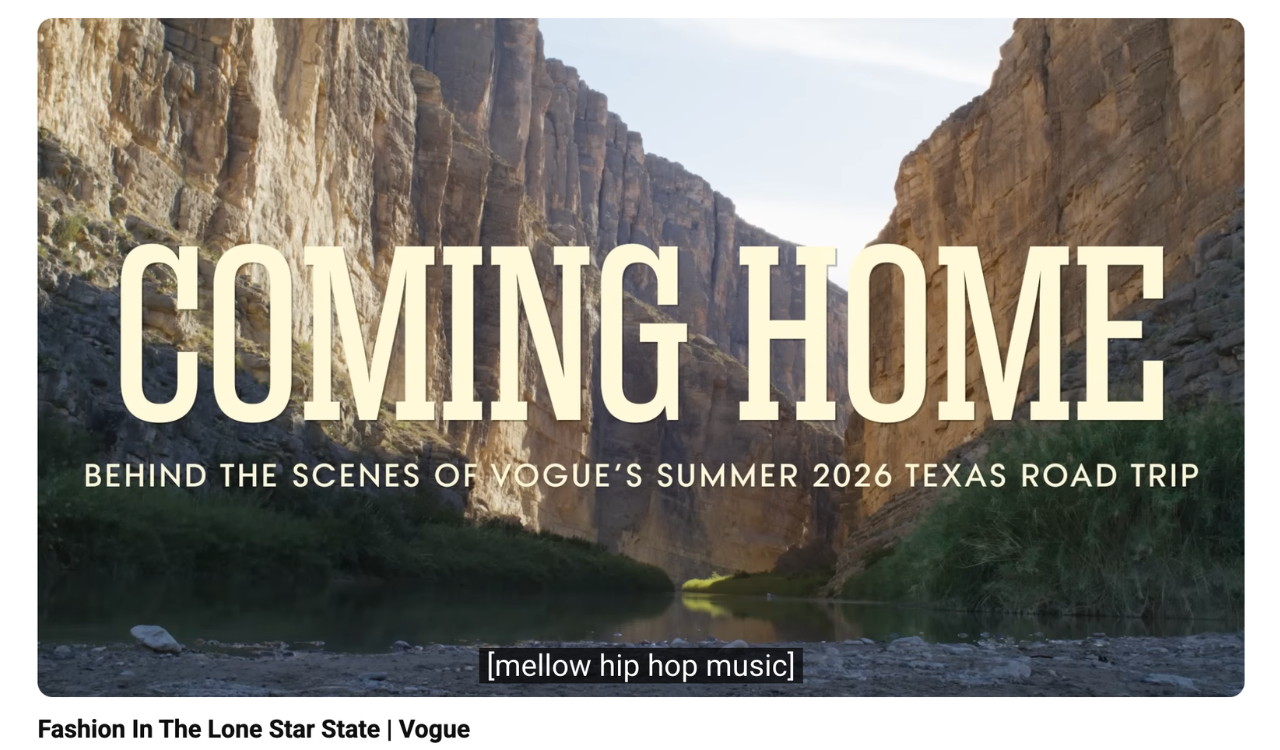

We’ve come a long way from the days when we never saw magazine photo shoots until the issue hit the stands. Static photo shoots have been transformed into dynamic video footage for online viewing. Vogue’s July edition’s photo shoot in Texas to celebrate the country’s 250th was fully chronicled online in an engaging video travelogue with high production values and an honest voice. But there is a flip side to the video trend; in the era of AI-generated video footage, perfection is a red flag as AI seeps into product design and marketing. There is a backlash for brands that risk accusations of using artificial intelligence to present their products without disclosure. Due to the inaccuracy of most guardrail technology that screens for artificial intelligence, AI accusations are increasingly difficult to defend.
Are BTS videos gaining popularity? And the answer is: More than popularity. they are being highjacked by AI, which makes them untrustworthy and inauthentic.
AI Deception
As a kid, did your math teacher make you show your work to prove you didn’t use a calculator? Consumers now expect brands to follow suit, calling for provenance in the form of behind-the-scenes (BTS) footage to validate creative work. In the past, a magazine cover shoot by photographer Sylvester Macko featuring Elle Fanning from top rated show Margo’s Got Money Troubles would be enough to capture consumer interest. Today’s consumers require the behind-the-scenes footage of the WhoWhatWear shoot to believe it even happened. They are no longer accepting fashion and beauty shoots at face value and require evidence that they aren’t the result of AI artifice.
Brain Rot Accelerates
You can’t blame consumers for being skeptical about the content on their social media feeds. Recent studies by the video editing platform, Kapwing, found that 20 percent of YouTube videos and nearly 60 percent of TikTok videos shown to new users qualify as “AI slop.” That percentage jumps even higher when it comes to content produced for younger children, who are often less discerning than their parents about watching AI-generated material.
Storytelling was a traditional way to impart cultural mores and lessons to the next generation. These days, kids are consuming more content than ever on TV and social media, but the issue is what storytelling they are actually consuming. Could children raised by AI-generated stories be at a disadvantage? The New York Times and Harvard University are already sounding alarms about “brain rot” content.
To quell social media users’ concerns about addiction to AI slop, platforms are depending on content credentials to prove the authenticity of online video, including an invisible watermark, metadata, or digital fingerprinting. But obviously, social media users don’t have the capacity to scan the metadata of every piece of content they consume. So, the proliferation of synthetic content is inevitable.
Process is Provenance
Nobody wants to feel like they’re paying a premium for snake oil or the modern-day equivalent of products made cheaply and fast by artificial intelligence. Customers have long been interested in the stories behind their prospective purchases. The Netflix show Portlandia lampooned hipster culture’s obsession with product origin with the “Colin the Chicken” skit back in 2011. However, today’s brands and retailers have to go further than just telling the backstory of how a product came to exist––brands have to show the products’ origin stories.
Brands haven’t built the trust they think they have with consumers. While 86 percent of business leaders believe “customers completely or mostly trust their brand to keep promises,” only 44 percent of consumers actually have that trust. The average customer can’t scan the metadata of every piece of content they come across, nor should they have to. BTS footage allows customers to see products and marketing campaigns from the inception phase onward.
BTS footage chips away at the ‘us versus them’ aspect of the production and marketing funnel by inviting customers into the process. It can also justify the cost of a product, as it enables customers to see the craftsmanship and premium materials that go into making it. Whether the final product is a physical dress or a photo shoot, BTS is helping brands craft intentional narratives.
BTS Storytelling
Brands can use behind-the-scenes footage to convey a range of narratives depending on what they want to highlight, the brand image, and the people featured in their stories. Patagonia regularly takes customers through the facilities in its supply chain. In 2011, Louis Vuitton launched Les Journées Particulières, showcasing the artisans, workshops, and legacy behind its luxury products. The brand continues to share BTS event and campaign footage to engage consumer interest.
Other legacy labels, like Chanel and Coach, utilize episodic BTS documentaries to weave narratives around their product releases and celebrity collabs. But a word of caution: The only thing worse than an influencer filming their fake life and calling it real is a brand doing the same thing. While BTS, by definition, can’t be too scripted, it does require a strategy. We know that 30-second to 2-minute marketing videos lead to the highest ROI. High fashion brands are gravitating towards documentary series to hype up their legacy, while mid-market brands often focus on their factories and craftsmanship.
We can’t talk about the dark side of BTS without mentioning Everlane’s “Transparent Factory Stories” in 2020. The brand, once built on transparency, shared atrocious fake factory footage that was called out by whistleblowers. The videos scandalized Everlane’s millennial consumer base and the company’s recent acquisition by fast fashion giant Shein feels like throwing in the towel on its brand ethos. The millennial darling destroyed its legacy with shady move after shady move; selling out to the fast fashion giant looks like the next logical step in Everlane’s fall from authenticity.
Not All BTS Is Good BTS
The digital landscape is besieged by AI slop. Brands that show the process behind the product is a certificate of authenticity. As customers grow more discerning, the quality and narrative of BTS content can determine its success. We’ve all seen what happens when BTS content doesn’t hit the mark. From Shein’s widely criticized fake factory tours to Coca-Cola’s AI Christmas “Behind the Scenes” missfire (which the creator says “took more creativity than you realize”), it’s clear there are plenty of ways to get BTS shockingly wrong.
Surviving in this shifting ecosystem means understanding that real behind-the-scenes content cannot be simulated or sanitized. Instead of AI-generated shortcuts, forward-thinking companies should look to legacy blueprints like Louis Vuitton’s Les Journées Particulières, which has successfully showcased real artisans and physical workshops. To build lasting believability, brands must couple the finished product—be it crisp stills from the photoshoot or the polished final campaign—with the messy, legitimate human work that created it. This intersection between human creativity and focused polish is where the true creativity that excites consumers to invest in a product still thrives.