

Branding design has played it safe for years with a sea of millennial pink and beige neutrals. Muted colors are fine when the economic forecast is positive, but things get weird in a downturn. The Lipstick Index, High Heel Theory, and Hemline Index have pointed to predictable economically induced consumer behavior shifts throughout history. And it’s happening again: Job, housing, and career prospects are becoming increasingly challenging, so consumers are seeking micro indulgences to keep their heads above water. This time, it’s hyper goo maximalism.
It all comes down to socioeconomics. Today, most people can’t afford to indulge in a $15,000 Birkin bag. Too much screen time and a bag of candy, on the other hand? That’s a feasible serotonin boost for many of us. Consumer packaged goods, cosmetics, gaming, and social media industries are positioned at the right price points to benefit from consumers’ frazzled states. And packaging with the low-fi, Nickelodeon slime-esque aesthetic of hyper goo maximalism is the perfect in-group signifier to make next gen impulse purchases move.
Let’s look at past recession indicators and why hyper goo maximalism is popping up on pickles, panties, the Partiful app, and everything in between.
What is the hyper goo trend? And the answer is: Hyper goo maximalism is more than a design trend; it signals that a human, not AI, is the creator.
The Lipstick Index Gets #Glitchcore
For over a hundred years, retail analysts and behavioral scientists have predicted economic downturns based on consumer behavior. A few distinct patterns have emerged that are still in play.
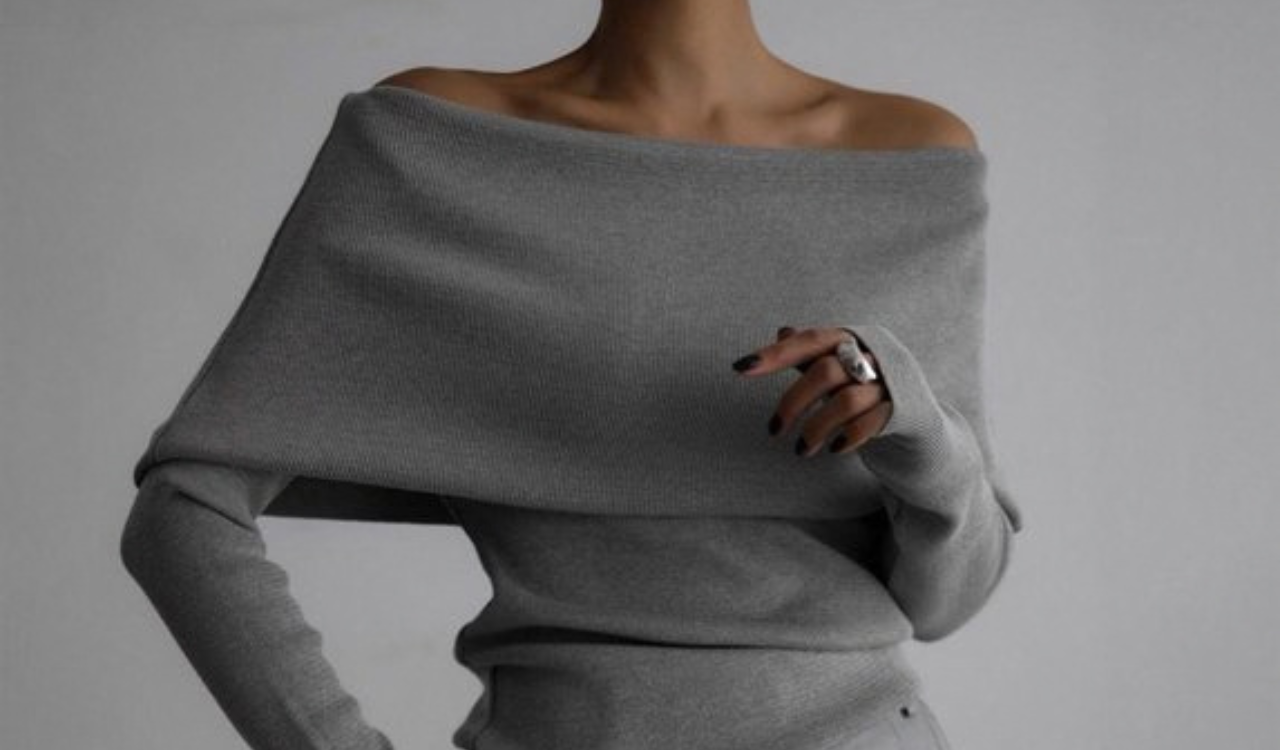
- Hemline index: Introduced by economist George Taylor in 1926, the hemline index revealed that skirt lengths get shorter during economic booms. In her 2025 paper testing this concept, author Pawani Chadha used cross-country data from 30 nations to confirm that economic optimism means higher hemlines.
- Lipstick index (AKA lipstick theory and lipstick effect): The term was coined by Leonard Lauder in the early 2000s, but it stemmed from consumer behavior during the 1930s. Revlon famously thrived during the Great Depression by selling low-cost, high-glamour nail polish and lipsticks. Analysts noticed that lipstick sales rise during recessions, underscoring consumers’ need for affordable small indulgences overcompensating for the inability to pay for expensive luxury goods. This type of indulgence creates a sense of normalcy during challenging times.
- High heel theory: The high heel theory emerged later in consumer culture than these other two indices and is the focus of academic studies. The term was popularized by IBM’s Trevor Davis and later validated in reports on the fashion cycle. It states that economic anxiety initially drives consumers toward extreme, attention-grabbing heel heights before settling into lower-heeled survival mode. In other words, things get weird before consumers enter survival mode and tighten their purse strings.
- Hyper goo maximalism: Besides being more fun to say than other index memes, hyper goo maximalism is a nostalgic, glitchy response to the sterile perfection of artificial intelligence, as well as the beige millennial blanding that came before it. Intentional human errors are becoming value signifiers in the wake of artificial intelligence, and hyper goo’s low-fi, high saturation typography feels novel and authentic.
Minimalism No Longer Earns Trust
I’m going to let you in on a little secret: Minimalism only feels elevated and valuable when consumers can afford maximalism; otherwise, it’s just recession-chic. Hyper goo maximalism stands out from the beige and millennial pink that reigned in the 2010s. Know what else reigned in the 2010s? The infamously austere DTC brand aesthetic. Remember Glossier’s pristine pink mascara tubes? How about Warby Parker or Harry’s Shave Club’s minimalist white and blue branding? The aesthetic went the way of the dodo, along with most of the DTC brands that flourished during the 2010s.
In an AI world, clean minimalism feels subhuman and suspect, whereas intentional mess signals human creation. While clean lines and transparent pricing marked millennials’ early adulthoods, it just feels, well––old––to next gen consumers. Gen Z is more interested in the 90s kitsch, and that’s where hyper goo maximalism comes in. Consumers aren’t just serotonin dressing anymore. They’re serotonin eating and decorating. The point is, young consumers don’t have the spending power they once did, but they still need serotonin, and retail is adjusting its aesthetic (and approach) to provide it.
Partiful is an online event invitation design service with a large Gen Z consumer base and a logo that doubles down on the hyper goo aesthetic. Here’s what its CEO, Shreya Murthy, had to say about its sudden popularity: “For us and for a lot of other companies, we think that loud and messy and customizable and, honestly, an unserious aesthetic, that’s how you prove a human actually made this.”
Where Hyper Goo Thrives
So far, the hyper goo trend is relegated to memes, packaging, and digital interfaces, and currently excludes the fashion sector. That’s because the nature of digital interfaces makes them automatically feel sterile, but the intentional messiness of hyper goo maximalism humanizes online content. The aesthetic is flawed, low-fi, drenched in 90s kid Nickelodeon slime nostalgia, and unmistakably human––making it a popular choice for apps like Partiful that need to offer in-group accessibility at scale.
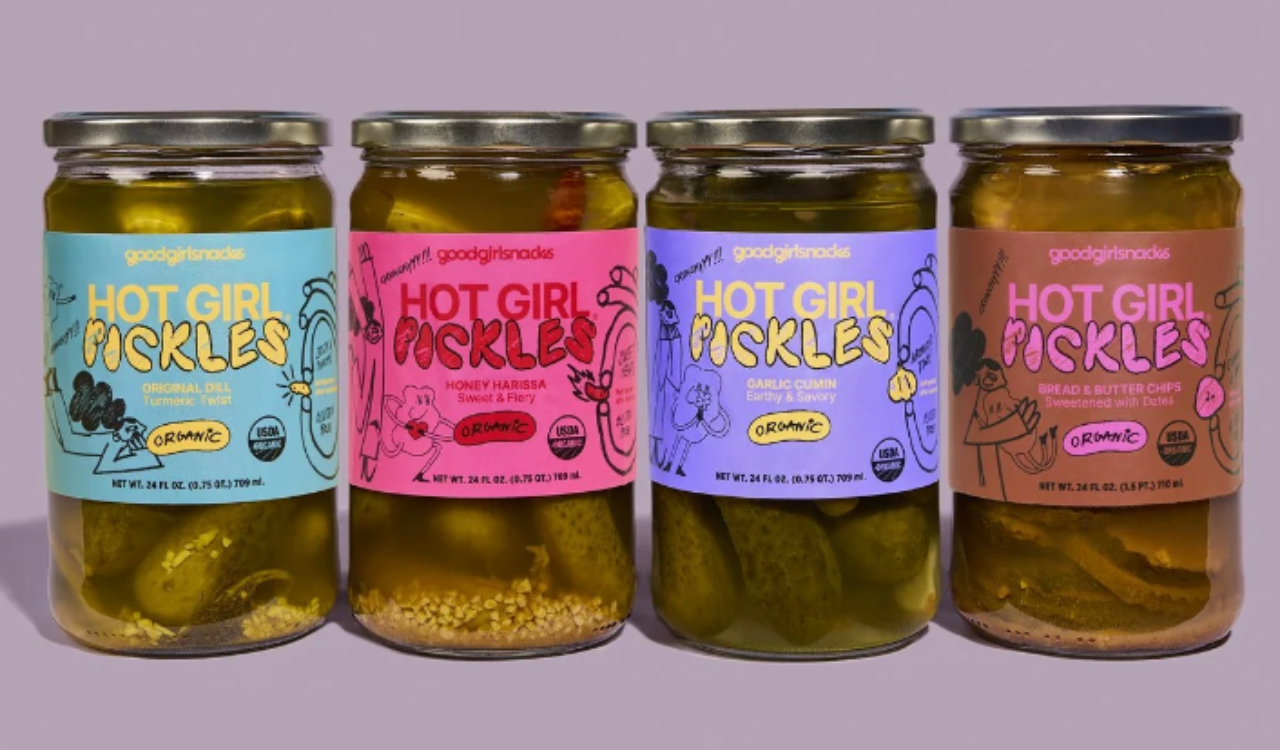
It’s also hard to humanize CPG packaging, but hyper goo’s low-fi visuals and neon saturation are fast in-group signifiers in the grocery aisle. You can’t miss hyper goo and the design style on food packaging; like Kyoot Chocolate’s lava lamp typography and the character on Rotten Gummy Candy labels, that help young consumers instantly spot brands that fit their vibe.
With that said, don’t hold your breath for a hyper goo apparel renaissance anytime soon. While customers might welcome tactile hyper goo fonts on a $4 pickle jar or a digital event invite, they don’t want their high-end goods looking like a Ghostbusters callback. Hyper goo maximalism isn’t for high-investment luxury fashion or home décor. It’s a powerful tool for low-cost serotonin boosts in the impulse aisle, but the nature of hyper goo speaks to its transience. Hyper goo is the energy drink of the graphic design world––it’s a quick jolt of life that’s arresting but ephemeral. Nobody says it is meant to last.