

In recent years, luxury beauty has been polished and understated, dominated by restraint and clean aesthetics. Brands like Merit, Hourglass, and Charlotte Tilbury embrace minimalist design that reflects the broader industry trends of “quiet luxury.” You might know iconic designer Marc Jacobs for his Daisy perfume, bold handbags, recent film, Marc by Sofia, by Sofia Coppola, dressing Rachel Sennott at the Met Gala and the recent high-profile sale by LVMH to WHP Global and G-III Apparel Group in an $850 million deal.
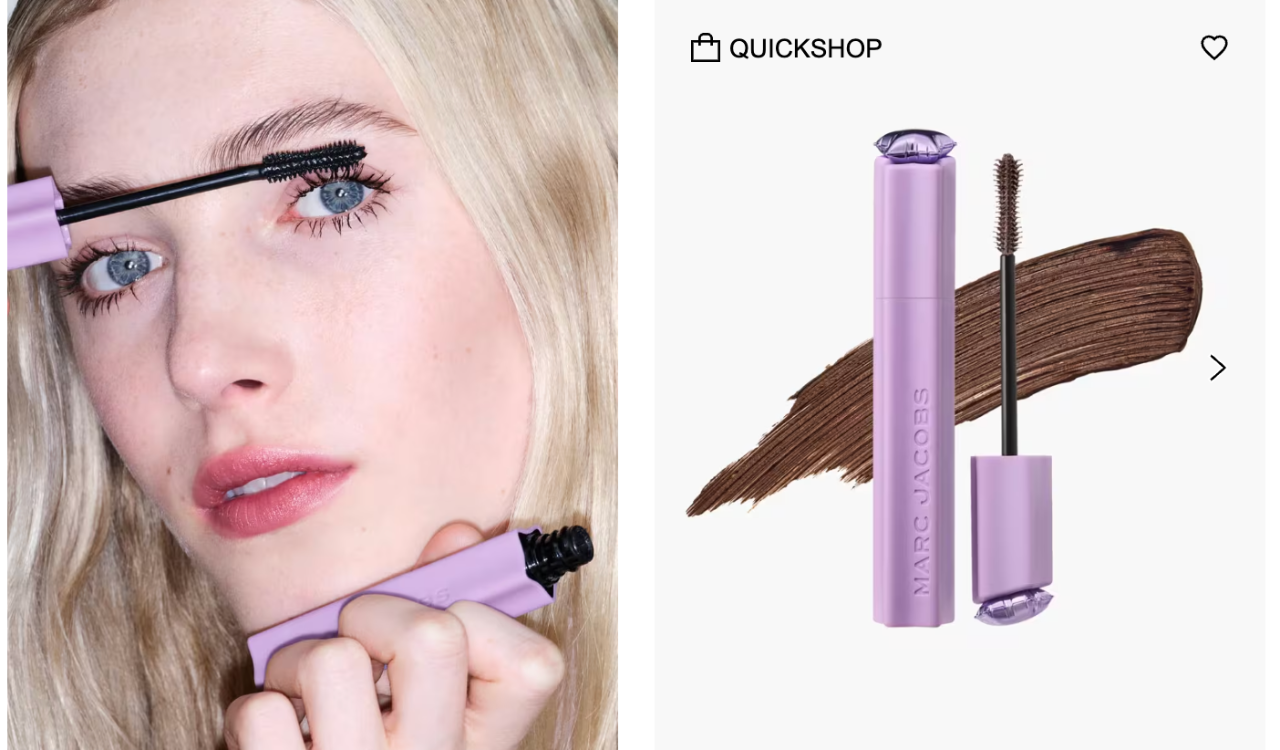
Known for marching to the beat of its own drum, Marc Jacobs Beauty has recently relaunched their makeup line with colorful statement packaging that massively differs from broader luxury makeup trends. Sold DTC through the Marc Jacobs website and Sephora, this new line feels like the odd man out in the beauty industry. Its playful maximalism and bright colors go against the grain of the market nowadays, and at a time when both Coty and prestige cosmetics are under significant pressure, the venture isn’t just the reinvention of a makeup line, but a big gamble for everyone involved.
What makes the relaunch of Marc Jacob Beauty risky? And the answer is: The new line is bold, beautiful, and quirky, just like its namesake, and unlike the recent trend of understated, minimalist beauty looks.
Beauty Business
Like many luxury brands, Marc Jacobs has maintained a diverse offering of products. In terms of beauty, their fragrance lines have consistently generated strong sales and consumer awareness, and their marquee fragrance, Daisy, has become an iconic and nostalgic staple scent for many. After the success of his fragrances, Jacobs released the first iteration of Marc Jacobs Beauty in 2013 through Kendo Brands, an incubator owned by LVMH. However, the relevance and success built from his fragrances didn’t necessarily extend to the beauty venture. Although the beauty line received strong initial reviews, offered cult-favorite products, and garnered celebrity endorsements from the likes of Aubrey Plaza and Emily Ratajkowski, it never broke through. It developed a loyal but limited customer base and remained a lower-profile brand than its category-defining peers.
Eventually, the brand was discontinued in 2021. The end of the partnership also coincided with the pandemic, which psychologically and financially shifted industry demand away from bold glamour and towards skincare and clean beauty. The disappearance of Marc Jacobs Beauty seems to have been driven more by business circumstances than by consumer rejection, so when the licensing agreement with Kendo ended, the brand’s future looked uncertain. Kendo was also investing resources into stronger brands it worked with, namely Rihanna’s Fenty Beauty, which significantly deprioritized Marc Jacobs.
The recent relaunch is especially noteworthy, leveraging consumer nostalgia for the original brand. The line could benefit from the halo effect of the Marc Jacobs fragrances that continue to perform exceptionally well, with new releases and collaborations generating and reinvigorating buzz for the brand.
Coty-Sephora Partnership
The new Marc Jacobs Beauty is being jointly developed by Sephora (owned by LVMH) and Coty Inc, one of the world’s largest beauty and fragrance companies. Coty is no stranger to Marc Jacobs, having held the license to the brand’s fragrances for more than 20 years. In fact, Coty’s relationship with Marc Jacobs fragrance has been so successful that in 2023, the licensing agreement was expanded to include cosmetics, skincare, and body care. Coty understands Marc Jacobs and how to create commercially successful beauty products for the brand.
Marc Jacobs’ partnership with Sephora is especially interesting because Sephora rarely develops a brand alongside an external company. Sephora brings huge marketing reach and brand-building expertise to the partnership, alongside global distribution capabilities and on-the-pulse trend awareness. Coty brings brand-specific experience with Marc Jacobs, as well as manufacturing and product development capacity.
The Coty/Sephora partnership suggests that both parties want to go beyond a simple relaunch of the original beauty line. And that’s smart, given that the beauty industry is dramatically different than when Marc Jacobs Beauty first launched. Customers, particularly those in my cohort, expect brands to have social relevance, a clear strategy, and immediately appeal to our current cultural trends. With the rise of 2010s nostalgia across social media, fashion, and makeup trends, the return of Marc Jacobs Beauty couldn’t have come at a better time. Sephora’s involvement with the development process gives Coty direct access to the desires of beauty consumers right now. Sephora brings the visibility, and Coty brings the infrastructure to execute the brand vision. Together, they can create stronger alignment between product creation and retail execution, increasing the appeal to consumers from all generations, but particularly Gen Z.
Coty Needs a Win
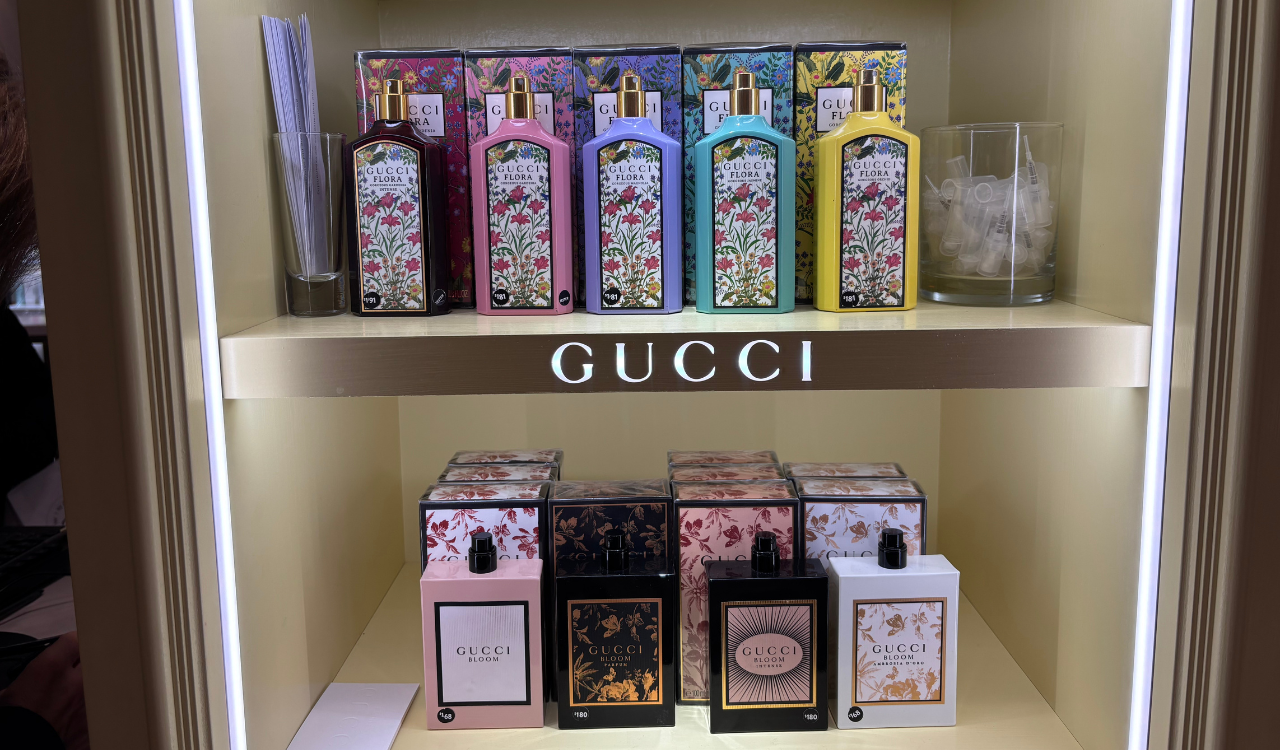
The timing of this launch is impossible to ignore considering Coty’s recent challenges, notably the loss of the Gucci beauty license to Kering, which also operates the fashion side of Gucci. Luxury licenses are among the beauty industry’s most valuable assets, and losing Gucci creates pressure on Coty, with questions about the company’s future. Enter Marc Jacobs Beauty. Coty has spent decades successfully managing the fragrance side of the brand, providing a foundation and existing customer base that many new beauty brands lack. Consumers may not have purchased Marc Jacobs Beauty in recent years, but they still associate the brand with old cult favorites and nostalgic products. That attachment, combined with a high-powered partnership and strategic relaunch, could make the venture a huge success for Coty. However, this opportunity has high stakes; even under normal circumstances relaunching a discontinued beauty brand is highly risky. Trends and consumer preferences evolve constantly, and nostalgia isn’t enough to generate real loyalty from customers. Who’s to say that all of Marc Jacobs Beauty’s old devotees haven’t replaced the brand with more current favorites? Even so, the relaunch of Marc Jacobs Beauty is a strategic necessity for Coty, as they attempt to recoup what they lost with Gucci Beauty.
Defying Quiet Luxury
Marc Jacobs Beauty is returning at a moment when the luxury beauty industry looks very different from the one it left behind. Much of beauty’s recent growth has come from skincare, fragrance, and more wellness-adjacent categories, while the bold, glitzy products of the past have taken more of a backseat. The audience for Marc Jacobs Beauty has also changed fundamentally, as the consumers who were crazy for the brand’s old staples are now a decade older, presumably having moved on to other brands, such as Merit, Charlotte Tilbury, or Victoria Beckham Beauty. These other brands emphasize effortless appearances, natural finishes, and refined, understated aesthetics. They are the antithesis of the playful glamour and bold edge of Marc Jacobs Beauty, a contrast that may be a huge advantage to the brand. After years of “clean girl” aesthetics, minimal makeup routines, and quiet luxury ideals dominating fashion and beauty, things start to feel tired and oversaturated. Gen Z is increasingly driven towards self-expression, nostalgia, and personality. Across social media, 2010s nostalgia is running rampant. Gen Z is revisiting indie sleaze and other popular aesthetics of the time, as they depart from the simplicity of the “clean girl.” This shift echoes the origins of Marc Jacobs Beauty—playful, experimental, and deeply connected to brand identity.
The challenge for Marc Jacobs Beauty will be balancing the emotional appeal of its past with the expectations of today’s consumer. The brand should tap into the excitement of the 2010s revival without feeling dated and capitalize on the exit of minimalism in beauty. Success will depend on interpreting the brand’s history through a contemporary lens, embracing creativity and individuality alongside the performance and indulgence of today’s prestige beauty market.
Final Thoughts
The return of Marc Jacobs Beauty tests whether a discontinued brand can regain relevance in such a crowded market, and it also provokes several questions. Will the creativity and boldness of the brand capture consumer attention in a space that hasn’t favored that look? Can Coty leverage its existing relationship with Marc Jacobs to recoup its losses? Can Sephora utilize consumer insights and influence to create another Fenty Beauty-level success story? Perhaps the most important question is whether the rerelease of Marc Jacobs will predict the beauty industry’s future. If consumers are beginning to move beyond quiet luxury, Marc Jacobs Beauty could be exactly what and where beauty needs to be.