

Quick…what’s on your TikTok Shop For You Page (FYP)? If you’re like most respectable beauty junkies, your FYP is likely bursting with tempting add-to-cart bestsellers such as Medicube’s eight-SKU Affordable Glass Glow Skincare Set, Tarte Cosmetics Maracuja Juicy Lip and Color Wow Extra Strength Dream Coat Ultra-Moisturizing Anti-Frizz Treatment. Never heard of these semi-niche industry players? Catch up and get smart about beauty retail. This report is a cautionary tale for almost any mainstream brand about the power of TTS and why legacy brands are so slow to pivot to influencer-based sales.
These TikTok Shop (TTS) goodies don’t even begin to scratch the surface of the myriad offerings from the 30,000 active brands, making TTS the sixth-largest U.S. health and beauty ecommerce platform, generating somewhere between $2.5 billion to $4.4 billion in gross market value, depending on the source.
Despite the growing power of TTS, however, some of the biggest beauty brands in the business—including Clinique and Lancôme—have yet to avail themselves of the platform’s power. By not stepping up to the TTS plate, they’re essentially walking away from the revenue and power brands like Merit Beauty and Jones Road are tapping on a daily basis.
Alt-Marketing Is Mainstream
According to data collected by consumer intelligence pros Nielsen IQ, health and beauty on TTS is experiencing explosive, 84 percent YOY growth, propelling it to fastest-growing category status. Of the nearly 10 percent of U.S. households that purchase beauty via the sales channel, the annual spend is $118 million, spread over three to four shopping sprees per year.
Moreover, per Nielsen IQ, TTS is expanding the online shopping category as a whole; roughly 30 percent of beauty buyers hadn’t purchased online anywhere else in the previous year. Not bad for a decidedly unpolished social commerce platform largely built on rough-cut, 30-second videos that didn’t get rolling in earnest until 2023.
It’s About the Creators
What used to be the norm for the beauty industry back in the day—slickly produced, big-budget print, digital and television ad campaigns conceived and crafted by the brands themselves—has zero place on TTS.
Instead, what generates all the dough on the beauty vertical of the sales juggernaut is creator-produced content with a home reel, on-the-fly feel. Shot on phones and plastered with hashtags and other seemingly annoying on-screen text, the entire goal is to get attention-challenged, easily distracted viewers to watch until the end.
Since completion and rewatch rates are the principal ways a video will gain a solid foothold in the TTS algorithm, the product’s “final reveal” is often only a single second. Whether it’s a before & after, tutorial or a curated list of creator favorites, in the world of TTS, the less time the “featured” product is on screen, the better.
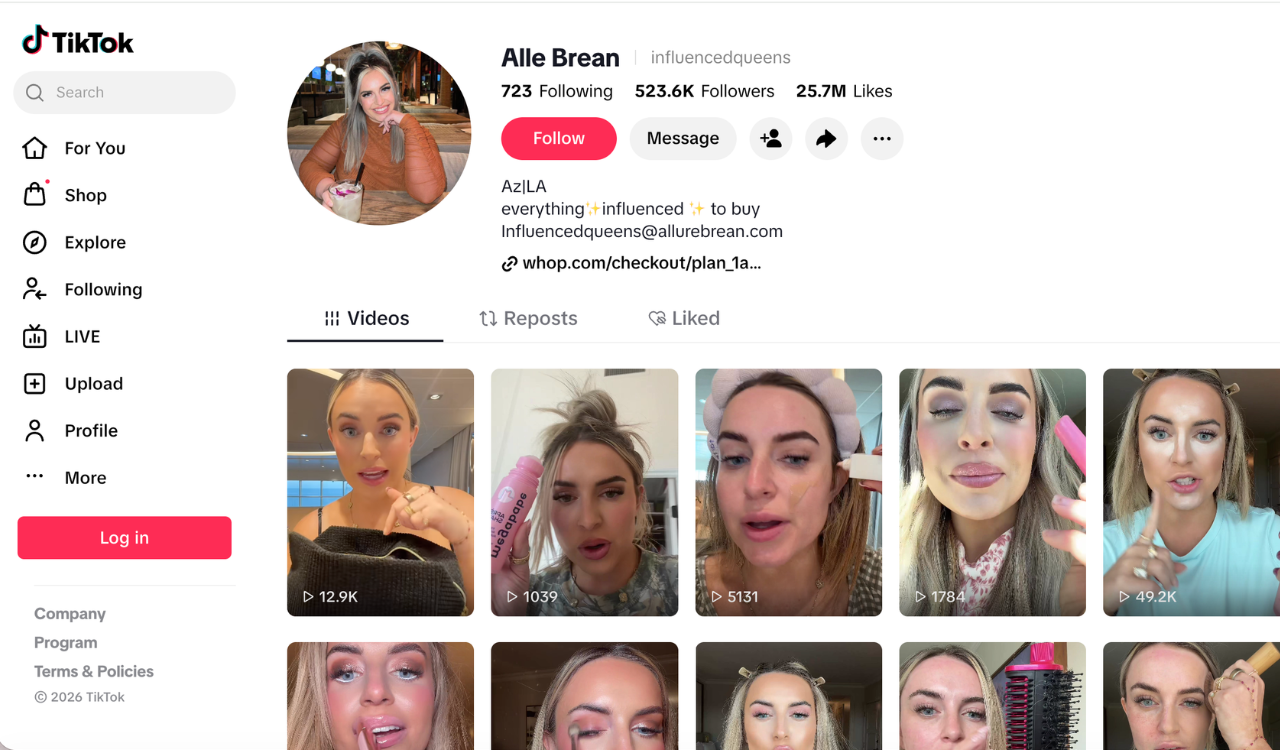
Why? To get viewers to watch it again and again. Content superstars like Danielle Athena, who has generated $5.6 million in revenue for hair tool brands Wavy Talk and Tymo Beauty, have this fast and furious sales technique down cold. So does Alle Brean, who has moved $4.2 millions of product for Tarte Cosmetics. For brands with talented influencers like Athena and Brean who are on speed dial, selling on TTS requires little more than a green light from the brands and a cut of the revenues.
Key Takeaways
- Since its 2023 debut, TikTok Shop (TTS) has been on a meteoric trajectory, particularly in beauty, its best-performing category by far
- Valued for their authenticity, content creators with fewer than 10k followers are often highly successful on the platform
- In terms of both relevance and revenue, beauty brands late to the TTS party are already at a disadvantage
The Genius of #TikTokMadeMeBuyIt
A further indication of how TTS is flipping the beauty script is the success that “micro” influencers with fewer than 20,000 followers are having on the vertical. Unlike other platforms, specifically YouTube or Instagram, going viral on TTS or on TikTok more broadly speaking is tied to consumer interest, not the number of followers. That means a sales “moment” can be had by nearly anyone who makes a compelling case for a particular product. As long as the key metrics are met, including completion rate, rewatches, and the pure gold of actual comments vs. likes, a TTS post can reach millions.
It’s no wonder that the smartest beauty brands are building vast networks of relatively unsung influencers. Creators who haven’t been in the beauty product review trenches for years are often viewed as more authentic, less sales-pitchy. And since TTS markets to communities with specific concerns like acne or rosacea, a product recommendation hashtagged with #TikTokMadeMeBuyIt from a creator with the same skin issue often enjoys an instant halo effect.
Suddenly, that no-name content creator is legit famous on TTS. Then, once a post gains substantial traction, a familiar cycle kicks in; working from the affiliate model, more micro creators post similar content and then, finally, the brand steps in and capitalizes on the moment with a paid campaign.
In other words, TTS, at least as it pertains to beauty, is a highly democratized, grassroots-up business model. And a wildly successful one at that.
Popularity Spans Generations
Although no surprise here, Gen Z makes the most of TTS’s frictionless, buy-straight-in-the-app offerings, there’s ample evidence suggesting that the platform is cross-generational in its appeal.
In particular, millennials and Gen X, who theoretically have more actual money at their disposal, are avid purchasers on TTS. Whether it’s anti-aging skincare or high-tech tools that purport to replicate results acquired at the hands of a dermatologist or plastic surgeon, it makes sense that slightly older consumers would tap through to purchase.
But what about the ones who could really use a turbo-charged miracle cream, thinning-hair fix or years-erasing LED face mask? While an increasing number of boomers have found their way to TikTok, the cohort is still under-indexed on TTS. Big on research, recognized powerhouse ingredients and clinical data, boomers are driven more by intent than discovery. Rather than mindlessly scrolling to see what’s cool and trending and catching their eye, they typically arrive at TTS after reading about a product or tool on another platform.
Brands New to TTS Have to Hustle
This is the bad news for brands just beginning to wake up to the idea that they need to hop aboard the TTS bullet train: You’re already lightyears behind your probably more nimble and most definitely more prescient competition.
Still, as more and more new users embrace the platform every day, it isn’t too late to try to at least make a dent in TTS. But to do so, beauty brands will need to keep the unstated rules for success front and center.
- First and foremost is building a small-but-mighty influencer army. Think low-hanging fruit, not the creators with massive followings. Seed them with a gratis product and see what happens organically, with zero talking points and old-school “brand guidelines,” and officially sign them up as affiliates.
- Once posts start popping on TTS, laser in on what’s working, and strategize future content around that. If a particular product is taking off, seed it to more influencers and content creators.
- On the home front, brands need to ensure that their TTS product page is on point, with clear claims and plenty of reviews and other user-generated content. Bundles featuring star products are another must-have when playing catch up on TTS. And while it (almost) goes without saying, the checkout process needs to be1000 percent seamless. Nothing can prevent a beauty consumer from coming back for more than a hassle at the point of purchase.
What’s a Trad Beauty Retailer to Do?
When it comes to stemming the TTS tide, the old “if you can’t beat ‘em, join ‘em” clearly won’t work for old-school retailers like Sephora and Ulta Beauty (the first wellness retailer to sell on TikTok). But what they can, and should do, is both nod to the virality that fuels TTS while amping up the opportunities for physical-touch discovery. In other words, play into the core strength of TTS—word-of-mouth reviews—but allow consumers to do what’s impossible on the platform, i.e., actually experience the product or tool for themselves in-store.
By purposefully training sales staff to be knowledgeable about what’s trending on TTS, be it a product, ingredient or specific skin or hair concern, traditional retailers are signaling relevancy while spotlighting their core strengths. Beauty is a see, touch and feel business, and as mighty as it is, TTS only supports one of those sales drivers.