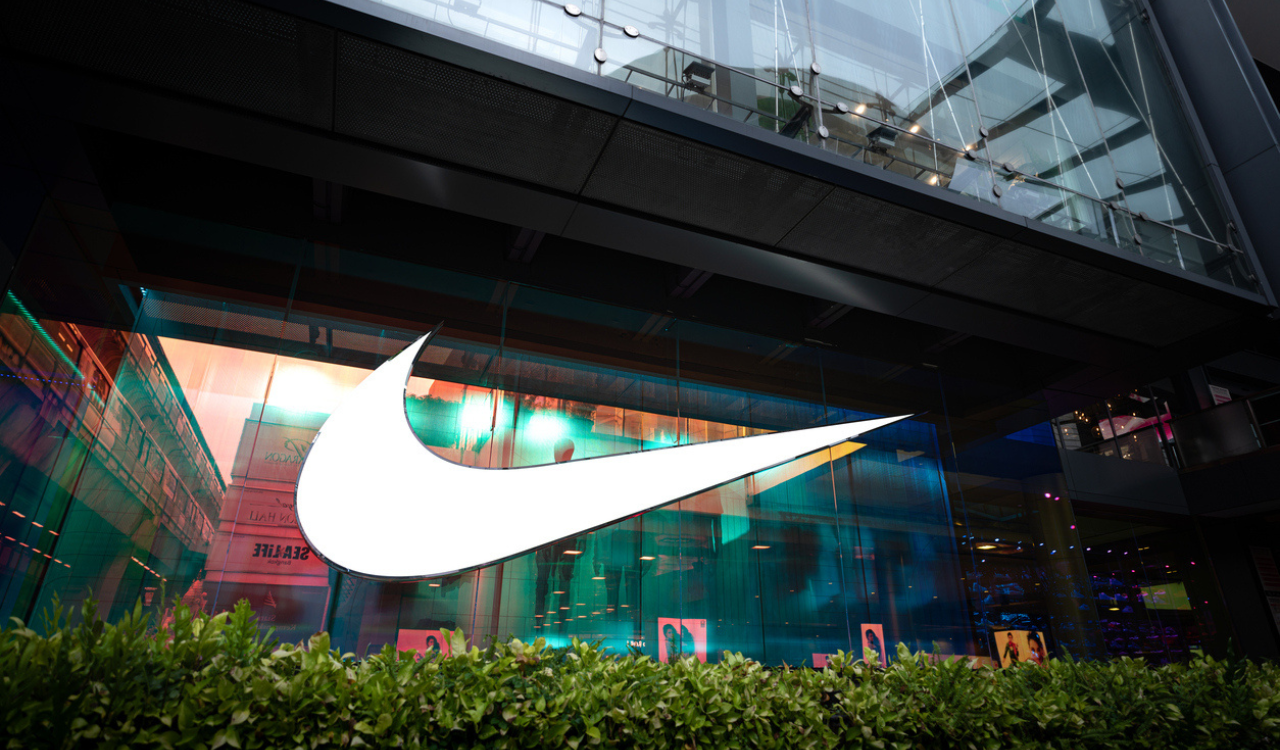



Online retail may be on every marketer’s playbook, but physical retail remains the dominant distribution channel for luxury sales. According to Bain & Co., monobrand stores account for 36 percent of total sales, compared with 20 percent for online. Brick-and-mortar stores also have a direct impact on online sales.
The not-so-secret power of every luxury retailer is the sales associate. They are not simply trained to sell the latest collection; they are expected to embody the brand, deliver a highly personalized service, and build meaningful relationships with customers. According to McKinsey & Co., U.S. respondents ranked the shopping experience as a key driver of brand desirability in luxury. The onus is on sales associates to act as brand ambassadors. In theory, at least. In practice, however, some retail employees are feeling disconnected from the brands they represent.
Here’s a red flag: A study, “From Brand Ambassadors to Brand Adversaries: Antecedents of Luxury Employee Brand Hate,” analyzed 2,721 employee reviews posted on Glassdoor between 2008 and 2024 for nine major luxury brands. The comments that came from retail employees offered an insider perspective on employees’ experiences on the sales floor. And they should get the attention of every luxury retail leader.
What is the risk of dissatisfied sales associates? And the answer is: They can become adversaries instead of ambassadors and risk the credibility and reputation of luxury brands.
Ambassador or Adversary?
Imagine a first-time luxury customer entering a flagship store to purchase a bag she has been considering for some time. She seeks out a sales associate for advice, since she lacks both confidence and experience. The salesperson comes across as indifferent, standoffish, and even negative. Instead of building a relationship with a potential new customer, the interaction seeds doubt about whether the brand is worth its price. That’s how powerful an unhappy sales associate can be.
The study reveals why retail employee dissatisfaction can be toxic. Employees are not simply unhappy about pay. Management and nepotism ranked first, followed by internal growth and work-life balance. Few opportunities for advancement, slow promotion cycles, ineffective management, and favoritism limit personal growth.
Career stagnation appears particularly frustrating when employees feel that progression is shaped by favoritism or ineffective management. Reviews describe limited career opportunities, insufficient training, and unclear communication from HR, making it difficult for employees to see a clear path to advancement. These frustrations can be especially damaging in luxury retail because unhappy employees interacting directly with customers can behave negatively if they feel they don’t have a future with the brand.
Management emerged as another major pressure point. Employees reported micromanagement, limited autonomy, and favoritism in the allocation of tasks and promotions. When employees feel excessively controlled or believe that opportunities are distributed unfairly, trust can erode, and their relationship with the brand can deteriorate.
Work-life balance presents a further challenge. Retail employees described irregular schedules, mandatory overtime, weekend and holiday work, and limited control over vacation. In an industry built around stores being open when high-spending customers want to shop (think of the pressures of the upcoming holiday season), managing employees who may wish to spend a weekend with their family can be challenging. Unpredictable schedules and excessive work demands can ultimately undermine the very service experience luxury brands are trying to offer.
These concerns also vary by seniority. While internal growth remains the central issue across employee groups, junior retail employees expressed greater dissatisfaction with the atmosphere and wellbeing, while mid-level employees were more critical of management and nepotism. Combined, this is a ticking time bomb for disrupting the customer experience.
Perception vs Reality
Employers may believe they have a positive workplace and optimistic environment for their wealthy customers. The study suggests otherwise. The risk is that workplace dissatisfaction affects the customer experience. The findings point to four priorities that luxury retailers should not dismiss as soft HR concerns but recognize as risks to the brand.
- Improve wellbeing through better workload management, predictable scheduling and healthier working environments.
- Create transparent career pathways through merit-based promotion and greater internal mobility.
- Leadership development should reduce micromanagement while strengthening autonomy, fairness and emotional intelligence.
- Strengthen internal communication and employee feedback mechanisms so dissatisfaction can be addressed before it spills over onto social media.
Using these priorities as guidelines can prevent employee turnover and the dissatisfaction that impacts the customer. Luxury brands are investing heavily in the retail experience, including clienteling technology, but the brand experience ultimately depends on the person standing on the other side of the counter.
Brand Disconnect
There is another elephant in the room. The luxury industry has traditionally positioned employees as brand ambassadors. But employees cannot represent a brand they cannot relate to or no longer believe in. When career stagnation, poor management, unfairness, or exhaustion erode that belief, the same employees who once enthusiastically and convincingly communicated the brand’s values can become its most credible critics.
This problem affects brand credibility. Employees can be perceived as insiders with a firsthand view of what happens in the organization behind the brand façade. Digital platforms such as Glassdoor have made it easier for current and former employees to share their experiences with a wider consumer audience. Negative employee word-of-mouth can affect not only the retailer but also the broader reputation of the luxury brand.
The next frontier of customer experience for luxury brands starts with the employee. An exceptional customer experience is about creating an employee experience worth believing in. No luxury retailer wants a brand ambassador standing in front of the customer to become the brand adversary speaking behind its back.