
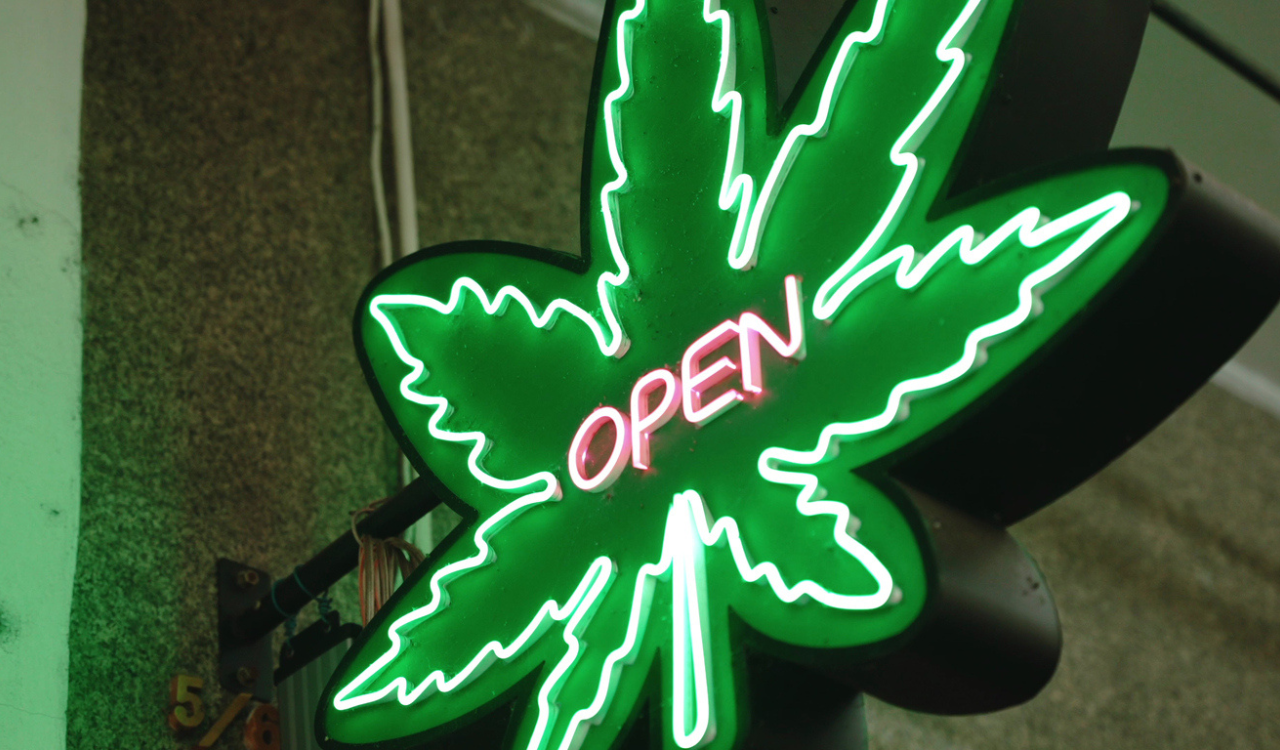

On July 23, Mayor Daniel Lurie signed an ordinance that gives San Francisco a legal framework for what supporters are calling “Amsterdam-style cannabis cafés.” It takes effect at midnight on August 23, and 66 qualifying cannabis retailers will be able to apply for a new café permit that lets them serve food and nonalcoholic beverages and even host live entertainment.
The timing is great. After years of lagging sales since the pandemic, San Francisco’s dining scene has come back strong, according to data from Open Table’s State of the Industry dashboard. In July, seated diners were up 12 percent following over 10 months of double-digit increases. Now there’s a novel new model to add to the mix.
What’s trending on the San Francisco culinary scene? And the answer is: Cannabis cafés are the latest entrants in the restaurant ecosystem to woo diners away from established fan favorites.
Health and Safety
San Francisco is usually one step ahead and obsessively socially aware. Governor Newsom finally signed a bill addressing workplace secondhand smoke concerns. Employers now have to offer masks to any employee who asks for one and train staff on the health risks of secondhand cannabis exposure. The American Nonsmokers’ Rights Foundation and other public health advocates argue that cannabis cafés will chip away at workplace protections against secondhand smoke, ordinance or no ordinance. A customer choosing to sit in a smoke-filled cannabis room is one thing; an employee breathing it for eight hours is another.
In this model, the cafés can prepare and sell food and nonalcoholic drinks, but the cannabis itself stays on the premises. Nothing gets sold for takeout, and there’s no delivery. And these operators still have to meet California Retail Food Code standards just like any restaurant or grocery deli counter, follow ventilation rules, signage requirements, and age verification at the door. For the first year, only San Francisco’s existing 66 licensed cannabis retailers can apply, which gives these struggling local operators first crack at the new revenue stream before anyone else moves in.
This Sounds So Familiar
I’ve watched grocery and foodservice operators chase new meal occasion opportunities forever. Wine bars inside supermarkets. Prepared-food programs that turned delis into destinations. Grocerants with waiters, white tablecloths, valet parking and live music. Every one of those moves came from the same pressure cannabis retailers are under today: thin margins, a crowded field, the opportunity to steal dollars from restaurants, and the desire to give the customer a reason to stick around instead of just picking up 20 items and heading to the parking lot.
California’s legal cannabis marketers are also fighting illegal sellers that state officials say account for roughly 60 percent of all cannabis sold in the state. And that’s on top of high taxes and falling prices. Improbably, food and entertainment is a proactive survival strategy for cannabis dispensaries.
Manifest Destiny
It’s manifest destiny out West. San Francisco just built a whole new category in the hospitality business. Cannabis cafés will compete for the same evening-out dollar as the neighborhood restaurant, bar, supermarket prepared food, grab-and-go, and grocerants. If this concept works, we can expect other California cities (and eventually other states) to follow, the same way legal cannabis retail spread market by market a decade ago.
Every food or beverage brand should be tracking this. These cafés unlock a new consumption occasion and moneymaking opportunity. I’m also watching the supply side. Somebody has to fill all those menus, which means foodservice distribution just got a new customer. Health-focused and nonalcoholic beverage brands that have been hunting for new customers should be lining up.
Next Stop, a Michelin Star?
If these cannabis cafés are chasing the same food dollars as the restaurant or bar next door, the food becomes more than an afterthought. I watched this exact move play out with supermarket delis: It started with rotisserie chicken under a heat lamp and ended with grocers poaching real chefs from restaurants to build wine programs and tasting menus that nobody expected from a grocery store. San Francisco happens to have one of the most serious dining scenes in the country. These new cafés and their 66 operators could be fighting for the same diners as the decorated Michelon Star chefs. Give it a few years and don’t rule out the probability that a cannabis retailer will hire a celebrity chef to build a real menu. The domino effect cascades: Build beautiful five-star quality dining rooms and hire away the best waiters. The savvy cafés will become foodie destinations.
My Bottom Line
San Francisco made a smart, narrow bet on a cannabis industry that badly needs new revenue. But let’s get real. I’ve sat through enough regulatory rollouts over the years to understand that the permit process, inspections, and actual opening dates never move as fast as the press release suggests. Nobody should expect a cannabis café to open on August 23. I predict a slow rollout among a handful of the city’s existing licensed operators and the inevitable challenge of real scrutiny on the secondhand-smoke question from labor advocates. But in optimistic, progressive California, just about anything’s possible. The cannabis industry that’s spent years losing ground to the illegal market just got a reason to keep customers around for dinner. This is an old hospitality trick with a new product, and an oddball combination I never expected.