

Olympic darling and Gen Z icon Alysa Liu recently made her debut at the 2026 Met Gala. Dressed in a voluminous burgundy gown by Louis Vuitton, Liu’s appearance at the gala marked her appointment as a House Ambassador for the brand. Nicholas Ghesquière, the brand’s artistic director of women’s clothing, said Liu’s energy and self-possession perfectly embodied the modern woman. Did this pairing make sense?
Do celebrity endorsements for luxury work for Gen Zs? And the answer is: Only if they are an authentic match with the brand, otherwise watch out!
The First Monday in May Endorsement
As an event, the Met Gala has become less about charity and design artistry and more about internet virality. It’s a spectacle of performance art, propelled by the couture houses here and overseas. Brands understand this and increasingly attach themselves to high-profile stars or those with massive Gen Z influence and dress them up to endear themselves to our elusive demographic. Luxury brands already heavily rely on celebrity ambassadors, and the growing focus on younger celebrities, or those with younger audiences, reflects a hit-and-miss effort to appeal to the next generation of luxury customers. And that explains Liu in runway Vuitton. Although these campaigns dominate social media and generate significant online buzz, they also reflect that captured attention does not necessarily translate into genuine Gen Z desire or sales. It’s an investment in the future, of sorts.
Risky Star Power
Celebrity ambassadorship is nothing new, however brands partnering with trendy and influential celebrities seems to be the name of the game in luxury fashion nowadays trying to reach Gen Z. In addition to Liu, Louis Vuitton has worked with Zendaya, who has also partnered with Rolex and Bulgari. Chanel’s ambassador roster includes Margaret Qualley, A$AP Rocky, and Pedro Pascal. Designer campaigns now are increasingly tailored to younger audiences and aim to generate both viral content and make the brand seem more relatable and accessible to the younger generation. Brands target Gen Z through the celebrities we obsess over, building campaigns designed to go viral and get reposted. Luxury advertising now plays into the larger social media advertising landscape and functions as cultural content. While this strategy works well in terms of visibility and online hype, it doesn’t necessarily establish a true connection with the brand or motivation to purchase, yet.
Constantly surrounded by advertising and influencer marketing, Gen Z can recognize when a campaign relies too heavily on celebrity attachment and lacks greater merit. Arguably, the most media literate generation to date, we’re skeptical of obvious commercial partnerships or insincere marketing. Seeing a celebrity wear luxury fashion might make a cool TikTok or Instagram post, but it doesn’t immediately make a product aspirational.
A Matter of Legitimacy
Most celebrity pairings are focused on adjacencies; bags, fragrance, shoes, and jewelry—except for the ultra-dressed Red-Carpet sightings. Luxury brands sometimes assume that proximity to celebrity is Gen Z’s only motivator in purchasing those luxuries en route to a higher level of apparel. That assumption is incorrect. Take Chanel’s partnerships with Kristen Stewart and Margot Robbie. These ambassadorships feature celebrities hugely popular with Gen Z but have sparked widespread criticism due to a fundamental mismatch between these celebrities and the Chanel brand essence. To Gen Z, Stewart is edgy and cool, understated and candid. Robbie is charismatic and glamorous, the face of some of the most recent popular and iconic films. But if you take Chanel’s fabled heritage of tweed, sophistication, and traditional luxury, even when updated, the brand’s image heavily clashes with both actors’ public personas. They often look like they are playing dress-up. Furthermore, the partnerships do a disservice to each of them via unflattering, somewhat contrived Red-Carpet appearances.
Star power alone cannot sustain such partnerships, and no amount of popularity can make up for a mismatch. Celebrity attachment alone can make a brand feel hollow if the greater partnership lacks additional substance. Perhaps Chanel’s buzzy creative director, Matthieu Blazy, can revisit and revitalize these partnerships. Still, for now, they serve as demonstrations that luxury ambassadorships require a better alignment between brand and celebrity, and that a lack of that alignment causes a brand to feel disconnected from younger consumers and can backfire into next gen’s indictment of luxury washing.
When the Stars Align
Zendaya’s Louis Vuitton campaign for the renaissance of the iconic Takashi Murakami collaboration is a great example of two brands well matched, not relying solely on its celebrity ambassador’s fame but using star power to enhance an already ingenious release. The photoshoot with Zendaya is aesthetically beautiful and shared widely across social media. But honestly, the pieces are so strong on their own they would sell just as well without the celebrity spin. Appearing in films like Mean Girls and White Chicks, the original Murakami pieces made pop culture history, and the new collection taps into that cultural legacy. Buzz around the partnership came not just from celebrity, but from Y2K nostalgia and archival reference. Zendaya’s involvement certainly amplified the release but didn’t define it. It feels right.
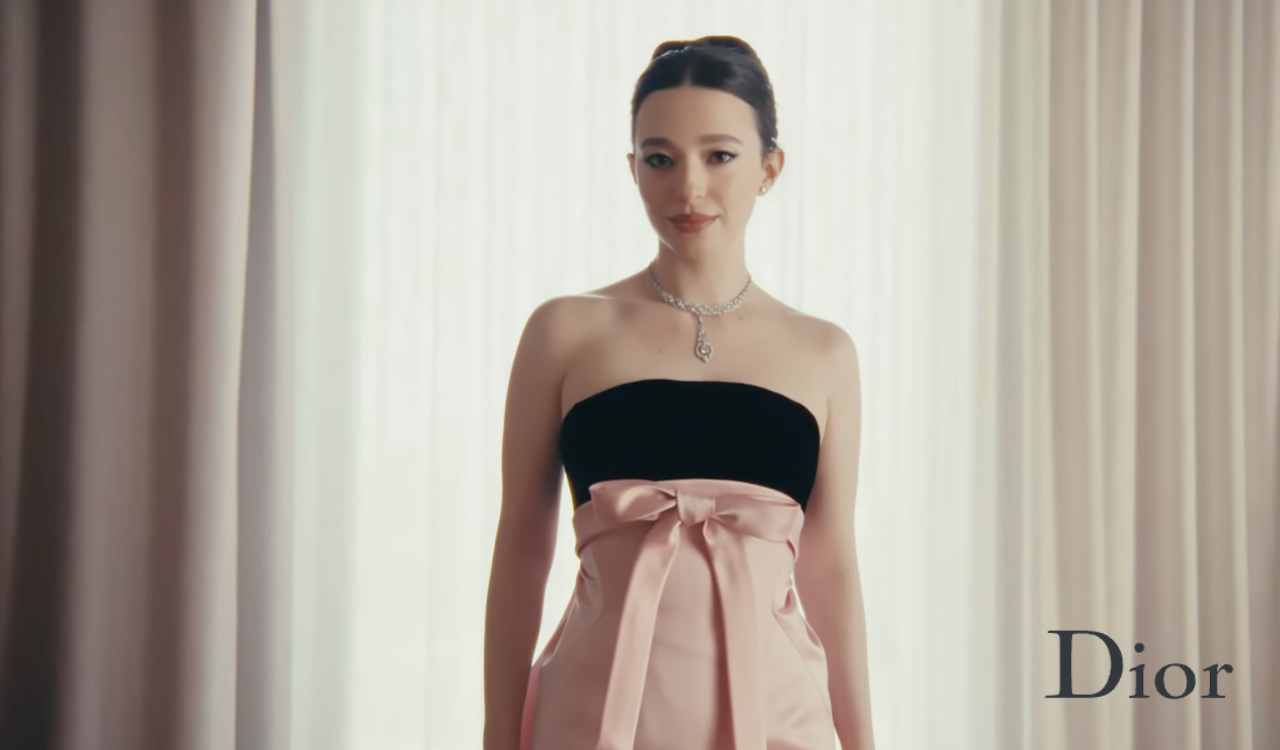
Jonathan Anderson’s new work for Dior supported by LVMH Delphine Arnault is another example of inspired celebrity endorsement. Ambassadors Mikey Madison and Mia Goth are both featured in the Spring/Summer 2026 campaign alongside reimaginations of the iconic Lady Dior Bag. The campaign showcases the evolution of Dior’s aesthetics under Anderson’s leadership. Although that evolution alone would have been enough to sustain it, the creative direction, styling, and new designs held up with their celebrity models, whose presence enhanced the campaign, rather than overpowering it. Ditto for Madison on the Red Carpet in sophisticated Dior.
Another example is Jacob Elordi’s ongoing relationship with Bottega Veneta. Often seen with all manner of handbags, Elordi’s fashion-forward styling and confident masculinity mesh perfectly with Bottega’s modern luxury image. The partnership feels genuine because Elordi already reflects the brand’s aesthetic. Bottega’s involvement with the show Euphoria further strengthens this connection. By sponsoring the wardrobe of Elordi’s character, Nate Jacobs, Bottega created a more layered and culturally embedded form of marketing that roots itself in contemporary media that Gen Z can relate to.
Mining Gen Z
Gen Z luxury consumption differs greatly from other demographics because of our sustainability ethos, desire for exclusivity, and love of reference. Resale and consignment platforms allow us to source vintage or deadstock pieces that can’t be found elsewhere. Gen Z is also highly aware of fashion history, quality, and sustainability, which motivates us to shop secondhand. As platforms like TheRealReal, Vinted, or eBay drive younger consumers away from higher-priced luxury purchasing, brands must figure out how to market to us, drawing us into their worlds in the hopes we trade up when we can afford it.
Gen Z consumers won’t only buy simply for a logo or a celebrity, but for a story, meaning, artistry, and cultural participation. If luxury brands want to generate long-term loyalty from younger customers, they should focus less on surface-level appeal or simple ambassadorship and instead build campaigns that feel intentional, iconic, or innovative. Celebrity involvement can still be powerful, but only when coupled to the rest of our generation’s values. The brands that succeed are the ones that understand that attention is easy to capture, but that loyalty and desire must be earned.