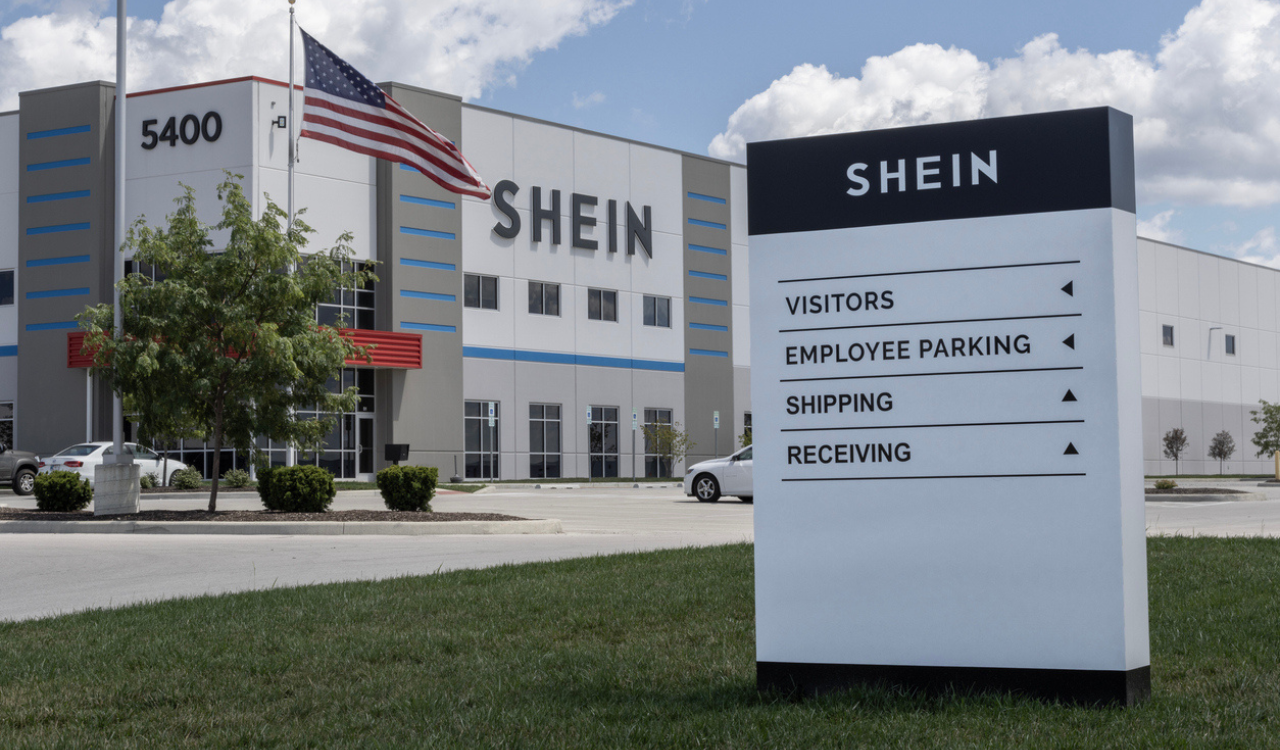

I’ve written a lot about how the Polycrisis Shopper, the consumer who is juggling inflation, tariffs, GLP-1-driven changes in eating, and general economic anxiety all at once is reshaping how and where people buy food. Kroger announced that it is buying Giant Eagle, the beloved, family-owned Pittsburgh grocer, for $1.65 billion: $1.25 billion in cash, plus roughly $400 million in assumed liabilities. The deal is expected to close in 2027, pending antitrust review, which shouldn’t be an issue with the current FTC administration. This is the Polycrisis Consolidation version of the shopper phenomenon.
Why did Kroger’s buy Giant Eagle? And the answer is: The jury is out whether this is a strategic acquisition or an obsessive land grab.
Acquisition or M&A Obsession?
New Kroger CEO Greg Foran is calling the deal an expansion into “attractive adjacent markets.” Giant Eagle’s Bill Artman is calling it “an exciting next chapter.” I’m calling it something I’ve been forecasting for a while now, wrapped around a question I don’t think Kroger has answered yet: Is this a rational move or an obsession?
Giant Eagle isn’t a struggling chain. It is well-run, well-loved, and family-owned. It brings $9 billion in annual sales, and has 197 supermarkets, and 11 pharmacies across Ohio, Pennsylvania, West Virginia, Maryland, and Indiana. And yet Giant Eagle decided the smarter move was to sell rather than keep competing alone. Why? Because the math at the top of the industry has gotten brutal. Walmart now owns roughly 21-23 percent of grocery spending and just hit a record 72 percent grocery penetration rate, according to Dunnhumby, driven largely by financially stretched shoppers trading down. By comparison, Amazon, combined with Whole Foods, grew its CPG market share from 6.4 percent to 8 percent in just two years; that’s the fastest gain in the industry.
Kroger itself isn’t immune from the Shopper Polycrisis. Its grocery share has slipped from 8.8 percent to 8.3 percent since 2024, and its CPG share fell more dramatically, from 7.2 percent to 6.7 percent, the steepest drop of any of the top five grocery players. If Kroger, with its 2,800 stores and $148 billion in revenue, is bleeding share, a small regional chain has almost no path to compete alone, having little leverage with suppliers, limited scale on private label, and no capital for automation and tech.
My prediction is that this deal is the first domino in an M&A obsession, not the last. Over the next three years, expect more regional and family-owned grocers to merge with each other or get acquired outright. It’s not one big brand competitor squeezing them out; it’s discounters like Aldi expanding from below, warehouse clubs winning from above, and Amazon and Walmart squeezing from every digital and physical angle at once. In a Polycrisis environment, scale isn’t a strategy; it’s the fuel.
How Is Kroger Getting All This Money?
Here’s where I start asking the harder question. This deal comes just months after Kroger agreed to pay Ocado Group a one-time $350 million payout to unwind three automated warehouse sites in Frederick, Maryland; Pleasant Prairie, Wisconsin; and Groveland, Florida, and to scrap a planned Charlotte facility entirely. That’s $350 million spent to walk away from a robotics partnership that Kroger poured money into for seven years, on top of whatever it already sunk into building those facilities in the first place. And that’s not counting the money Kroger reportedly spent, close to $1 billion, pursuing its Albertsons deal before courts blocked it in December 2024.
So, now it’s spending $1.65 billion to buy Giant Eagle, all while Kroger’s stock is down over 22 percent in the past year. Analysts rate it a lukewarm “neutral,” flagging thin profitability and elevated leverage. Kroger says it will finance the Giant Eagle deal with cash to keep its dividend and $2 billion buyback intact. That’s a lot of confidence for a company whose own numbers are telling a shakier story. I’ll be blunt: This looks less like disciplined capital allocation and more like a company that keeps writing new checks hoping the next one solves the problem the last one didn’t.
Can Foran Deliver?
When Greg Foran took over as CEO, he said his top priority was fixing the in-store experience, cutting costs behind the scenes, and reinvesting the savings into lower prices, fresher food, and better service. His goal? Customers will “notice the moment they walk into a store.” That’s the right instinct. It’s also expensive, and takes years of sustained, unglamorous investment in labor, merchandising, and store conditions before it actually shows up on a shopping trip.
So, I have to ask: With $350 million spent walking away from Ocado, close to a billion reportedly gone chasing Albertsons, and $1.65 billion more now committed to Giant Eagle, how much is actually left over to fund the in-store turnaround Foran promises? Deals like this get the headlines, but the reality is that store-level execution with better produce, fully stocked shelves, and a friendlier checkout doesn’t get any coverage. My worry is that Foran’s publicly stated priorities will quietly become shortchanged while Kroger keeps feeding its M&A habit.
The Albertsons Shadow
I can’t look at this deal without remembering what killed the last one. In December 2024, federal and state judges blocked Kroger’s $24.6 billion Albertsons acquisition, agreeing with the FTC that it would raise prices and gut competition. The courts were especially harsh on Kroger’s divestiture plan, ruling that Kroger had effectively set up its proposed buyer, C&S Wholesale Grocers, to fail by withholding the pricing and data tools it needed to compete.
Kroger and Giant Eagle are already signaling “limited” divestitures will be needed. This deal is far smaller and more regional than Albertsons, so I doubt it will draw the same fire. But the attorneys general and regulators who just watched Kroger’s last divestiture plan fall apart in court aren’t going to rubber-stamp whatever comes next. Watch Pennsylvania, Ohio, and West Virginia closely. One key difference this time is a president who is far more lenient than the previous one as it relates to mergers and acquisitions when CEOs cozy up to him.