
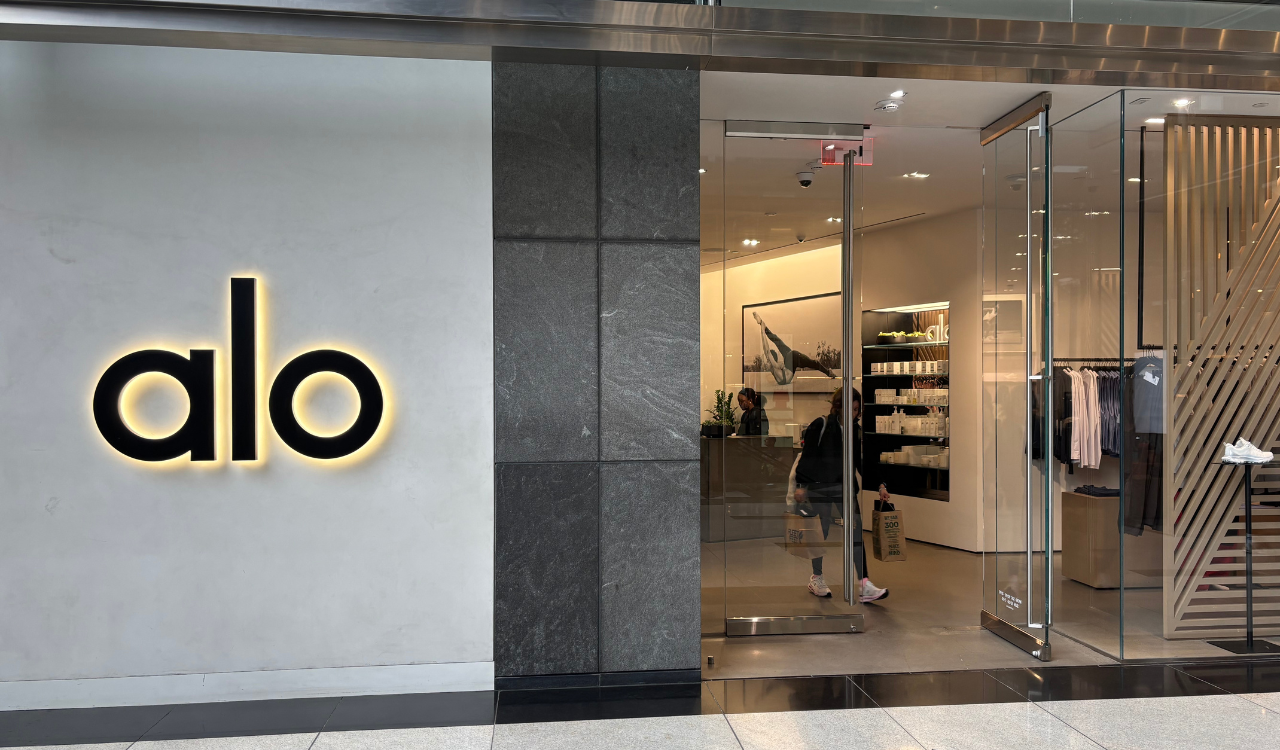

It’s no secret that athleisure, with its performance-built activewear, isn’t just for gyms anymore and has migrated into nearly every area of daily life. Founded by Chip Wilson in 1998, Lululemon is easily one of the biggest names in the game. Their products transcend trend and generation, or at least they used to. Now, the Lululemon logo is being increasingly replaced by slim silver letters spelling a, l, and o.
Will Lululemon’s new CEO be able to turn the brand around? And the answer is: Headwinds from Newgens challenge Lulu’s relevance colored by its messy internal political drama.
Behind the Scenes at Lulu
Beyond negative public perception and the brand’s loss of relevance, Lululemon faces internal tensions and leadership conflicts that could derail the brand’s operations. Let’s start with leadership, or lack of it. Following Calvin McDonald’s exit in January 2026, Heidi O’Neill, formerly of Nike, was appointed the new CEO. She says she hopes to revive the brand’s cultural relevance and promote its growth. Ok, so good so far. Founder Chip Wilson has been a thorn in Lulu’s side since he finally left the company in 2015. Wilson’s repeated pressure on the board and ongoing criticism of their leadership is now amplified by his disapproval of O’Neill’s appointment. He continues to argue that the board lacks the expertise to choose the right leader for the company. Wilson also urged fellow shareholders to replace board members with his own independent nominees, blaming the brand’s struggles on the current board’s poor leadership. He further condemned the brand’s collaborative efforts and push for expansion, stating that they were short-term remedies that overlooked deeper issues.
But that’s not all. Wilson has a history of bias and destabilizing the company he founded. In a 2024 interview with Forbes, he denounced Lululemon’s efforts towards diversity and inclusion and promoted the exclusion of “certain customers.” Even the name of the company came from Wilson making fun of Japanese people, exoticizing and struggling to pronounce the letter L. And out of spite or hubris, Wilson is forming a conglomerate of existing and new, smaller athletic apparel brands, which could end up directly competing with Lululemon. His expertise and industry knowledge could be extremely beneficial for this new venture, and ultimately harmful to Lululemon.
Gen Z Shifts
Lululemon’s reputation has also experienced a drastic shift among younger and Gen Z consumers. A TikTok post went viral with young people dancing and mocking the brand to the lyrics “Put some Lulu on this butt (Lululemon).” Older customers started wearing Lululemon in decidedly non-athletic spaces, such as clubs and bars, because of the status associated with the brand’s high price point and posh perception. This behavior disillusioned younger consumers with the brand. As Lululemon became more ubiquitous in social and nightlife spaces, it stopped signaling exclusivity and elevated taste; it started to seem cheap and tacky, became overexposed and not situationally appropriate.
Alo Rising
The athleisure market is incredibly saturated as is, so when consumers are judgmental about petty leadership disputes combined with negative social media publicity, the future does not look good. The second a brand loses its grip on consumers, for whatever reason, a new one will take its place.
Is Lululemon headed for disaster, and is Alo Yoga to blame? What’s interesting isn’t just that Lululemon has lost some of its cultural dominance, but more about how it happened. Lululemon built its brand on performance, quality, and real-world application. By contrast, Alo doesn’t just sell clothes—it sells aspiration. Its rise to prominence has been fueled by social media, celebrity endorsements, and a fashion-forward thesis that blends workout wear with everyday luxury. Alo aligns itself with current trends of aestheticized wellness. While Lululemon’s social media struggles and behind-the-scenes drama are headline newsworthy, Alo Yoga has made its quiet, steady ascension in the activewear niche.
Air, Land, and Ocean
Alo Yoga—which stands for air, land, and ocean—was founded in 2007 by childhood friends Marco DeGeorge and Danny Harris. The brand sells both DTC and wholesale, offering standard activewear alongside more elevated pieces like cashmere sweaters, leather bags, and even “intention crystals.” They also have a line of skin and body care available at each of their “sanctuaries.” While the creation of Alo came from Harris and DeGeorge when they turned to yoga to address various ailments, they were already well acquainted with the industry. In 1992, they founded Color Image Apparel, Alo’s parent company. Color Image Apparel also owns Bella + Canvas, a major supplier of blank garments.
That connection feels oddly relevant. Especially when you factor in ongoing complaints about Alo pieces with poorly applied or fragile logos. I’m not saying all Alo apparel is just Bella + Canvas blanks with a logo haphazardly slapped on—but when those logos are known to peel after a single wash, it does make you wonder how much of a difference there really is.
Nonetheless, Alo Yoga is the rare example of a brand that has figured out the ins and outs of marketing to Gen Z. It goes beyond utilizing plenty of celebrities and influencers. Alo goes a step further by embedding itself into the lifestyle and values that resonate most with my generation. Rather than just selling activewear, Alo sells an identity—one that aligns with the evolving trends around wellness culture and fashion, as well as their intersection.
Alo has successfully positioned itself as the pinnacle of trendiness, aspiration, and exclusivity. It taps into Gen Z’s fascination with routines, self-care, and “that girl” lifestyles. It has been criticized as the cliche of the “Pilates Princess,” overengineered skincare routines, matcha, and the evolution of fitness into something more elevated than your local, run-of-the-mill gym. Even moments of controversy or “outrage marketing,” such as attention-grabbing product launches or publicized influencer retreats, never plunge the brand into cancellation territory but instead keep it at the forefront of cultural relevance.
Alo’s use of influencers and celebrities like Kendall Jenner and Candice Swanepoel has undoubtedly helped characterize it as “it-girl” attire. These partnerships transcend simple publicity, helping curate a persona that audiences strive to embody. The girl who wears Alo is clean, disciplined, and effortlessly stylish, and her lifestyle is attainable through consumption of the brand. Even beyond clothing, Alo extends its influence into experiences and non-material status markers that reinforce its elite perception. With Alo-branded yoga studios and cafes, they’ve cultivated a full product ecosystem that keeps consumers engaged and loyal to the brand. These offerings ensure that owning Alo is not just about fashion or fitness, but about signaling membership in a desirable, yet elusive lifestyle.
Hard Knocks Lessons
The rise of Alo is a bitter lesson for Lululemon. Newgens perceive brands as shaped more by culture than product, and Lululemon’s overexposure and diluted status maligned it to younger consumers. Where Alo Yoga uses social media to cultivate exclusivity and prestige, Lululemon has been mocked and cheapened with TikToks. Nowadays, brands need to use social media to stay embedded in current trends and aligned with consumer ideals. Negative publicity must be navigated carefully to maintain relevance without irreparably damaging brand image.
On top of that, internal instability weakens consumers’ trust. When company drama becomes messy and public, that impacts reputation, especially when grievances are publicly broadcast. Lulu’s core demographics are chronically online and therefore hyperaware of those struggles. Even sturdy brands can lose momentum if they don’t align their internal strategy with their external image.
Alo Yoga continues to gain traction by aligning itself with celebrity culture and an aspirational identity. Lululemon’s internal tensions have not only disrupted operations but also weakened its ability to stay at the front of the cultural conversation. Combine those conflicts with social media discreditation, and even the strongest brand doesn’t stand a chance.