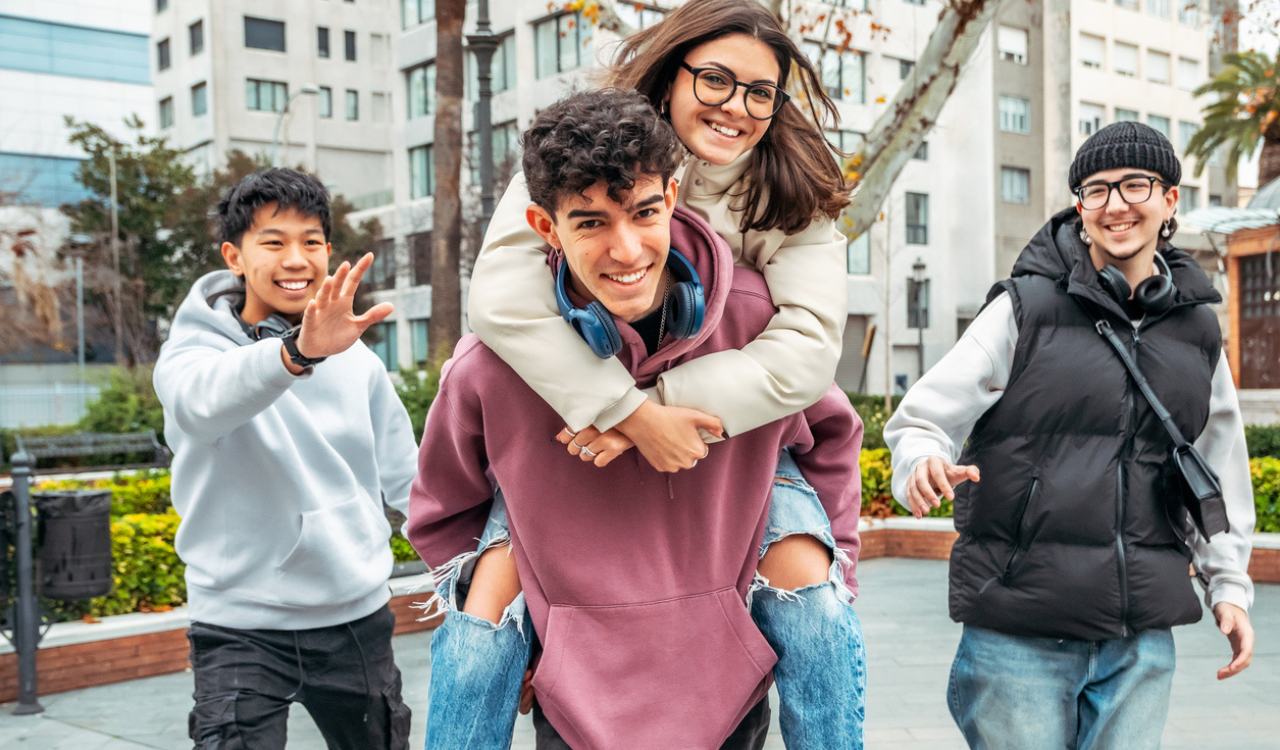

The riots in France are making international headlines. Despite the student-led grievances that escalated to larger protests about inflation and public services, there was one institutional shift months ago that was changing the cultural conversation. The new school year (la rentrée) in France brought a new routine. Pupils had to hand in their mobile phones on arrival at school. Bans on phones in schools are becoming the new rule in France and other European countries.
What’s the collateral fallout of a social media ban for next gens? And the answer is: Marketers will have to find new channels to reach next-gen consumers.
Social Media Backlash
However, policymakers are not stopping at the school gates. Following Australia’s lead, which restricts under-16s from holding accounts on virtually all major social media platforms, including Facebook, Instagram, Kick, Reddit, Snapchat, Threads, TikTok, Twitch, X and YouTube, France has approved similar legislation to restrict social media access for under-15s. Other countries, including Germany and the UK, are debating similar restrictions. California has also recently passed legislation to limit exposure to “behaviorally addictive” features on social media platforms for children under 16.
In the U.S., children spend an average of 3.6 hours a day on recreational screen time. This means hours scrolling through TikTok and Instagram or watching videos on YouTube. It has also given rise to a new vocabulary, from AI slop and brain rot to rage bait. The latter was the de facto star of The Social Reckoning, an implicit indictment against Meta’s online rage bait practice.
Social Commerce
Social media is more than a collective content platform for good and bad behavior. Commercially, it provides marketers a direct channel to reach Gen Alpha, often bypassing parental controls. These young consumers have purchasing power of their own and influence an estimated $255 billion in U.S. consumer spending.
According to PwC’s Generation Alpha U.S. Survey 2026, 61 percent of Gen Alpha respondents say social media makes them want to buy something. However, some product categories are more digital-first than others. Nielsen U.S. survey data show that 78 percent of Gen Alpha consumers discover beauty products through at least one online source. Restrictions on social media, or even outright bans (and this is just the start), will mean that marketers need to rewire the Gen Alpha marketing playbook.
Living Without Social Media
Social media may be out of bounds, but Gen Alpha will remain digitally engaged. They are not digital natives; they are algorithm natives. And that means they know how to game algorithmic systems. Marketers will need to prioritize alternative digital channels to reach next-gen consumers.
The medium is the brand’s message. Gaming is Gen Alpha territory; 54 percent of Gen Alpha in the U.S. regularly use gaming platforms. Which teen doesn’t live on Minecraft, Fortnite or Roblox for social play? According to YPulse’s Tweens: Hobbies, and Play data, gaming is tweens’ “top playtime pick.” Jo Malone London recently entered this virtual world, creating a game within Fortnite to launch its Sea Salt & Bergamot fragrance. Starbucks, Nike, Axe, and Burger King are also embedded in social activations.
Music streaming offers another digital space to connect with younger audiences. To celebrate 150 years of its 501 jeans, Levi’s partnered with Spotify to create an interactive digital museum exploring the evolution of denim through music and fashion. Nostalgia is not just for older generations. Brands also use music to engage with contemporary culture. The Nike Make Moves campaign on Spotify, for example, uses a playlist co-curated by athletes, artists, and teen girls to encourage daily movement.
From Scrolling to Socializing
The Summer of Ludd made the point that social media obsession is both dangerous and socially self-limiting. The argument is that if next gens are spending less time scrolling on social media, they would spend more time socializing in the physical world. Studies on next gen’s awkward in-person social skills validate the negative power of screen “relationships” and communications.
Offline activations are a huge opportunity for retailers and will play a more important role. CBRE’s Retail Generational Survey 2026 found that 63 percent of older Gen Alpha respondents in the UK expressed a preference for in-store shopping for clothing and footwear. Shopping is inherently a social activity. Retailers can become community hubs with targeted programming for next gens. Ulta Beauty, for example, offers birthday parties at select U.S. locations, featuring skincare sessions, makeup tutorials, games such as Spin the Wheel, styling services such as accent braids, and take-home gifts. Ulta Beauty is not just giving Gen Alpha permission to explore beauty, but also to experiment with friends. Images of the “beauty party of your dreams” on the retailer’s website make it clear that these experiences are designed for kids who want in-person interactions. Shared experiences are learning opportunities. Mercedes-Benz Museum in Stuttgart offers workshops specifically for children to build their own robot or single-cylinder four-stroke engine model. Apple takes a similar approach with Summer Camps at selected stores in Germany, where children aged 6–10 can design superheroes using the Apple Pencil Pro and Freeform on an iPad. It’s a reinvention of the retail store as a playground for kids.
A New Class of Influencers
Savvy brands have identified a new class of influencers to reach an audience with limited access to social media. Celebrity endorsements and collaborations with sports icons are likely to become more influential. Nike’s launch of the LeBron 24 this fall could give the brand a much-needed boost in youth credibility. According to Piper Sandler’s U.S. Teen 2025 Survey, LeBron James was the second-highest rated celebrity and second-favorite influencer among U.S. teens. Swiss sportswear brand On’s high-profile appointment of Kylian Mbappé as a Global Brand Ambassador (and investor) signals a clear move to attract younger consumers. Mbappé is also the third-most-popular footballer in the U.S., behind Lionel Messi and Cristiano Ronaldo.
However, it’s the store associate who has the potential to become Gen Alpha’s influencer-in-chief. As younger consumers shop physical retail, store associates will need to be trained not only to advise younger consumers but also to engage with them on a different level, particularly as many will be first-time buyers of these brands. Gap, along with Macy’s, has an affiliate program link that rewards their employees’ influence with customers.
Fandom and App Advantage
Brands need to rethink partnerships and content to respond to social media restrictions. YouTube is the most widely used streaming platform with nearly 95 percent of teens using it, and Netflix is watched by 64 percent of teens. According to Nielsen, 48 percent of the audience for KPop Demon Hunters was ages 2–11. McDonald’s tapped into the film’s cross-generational fandom by partnering with KPop Demon Hunters to promote themed meals such as the HUNTR/X Meal and collectible photocards.
However, the partnership was about more than selling burgers. McDonald’s also used its own app to build relationships with consumers by unlocking exclusive content, such as the Saja Boys’ first official group performance. Social media restrictions do not mean that young consumers will lose access to all digital content. Branded apps could become an alternative channel to engage Gen Alpha.
The challenge for marketers is to fill a social media vacuum. Brands must find new ways to earn Gen Alpha’s attention and build relationships beyond these platforms. For Gen Beta, growing up with technology is a given, but growing up with restricted access to social media could redefine how brands engage with tomorrow’s consumers. Marketers must prepare for the unexpected, plan for worst-case scenarios, and take control of the touchpoints they can influence—responsibly.