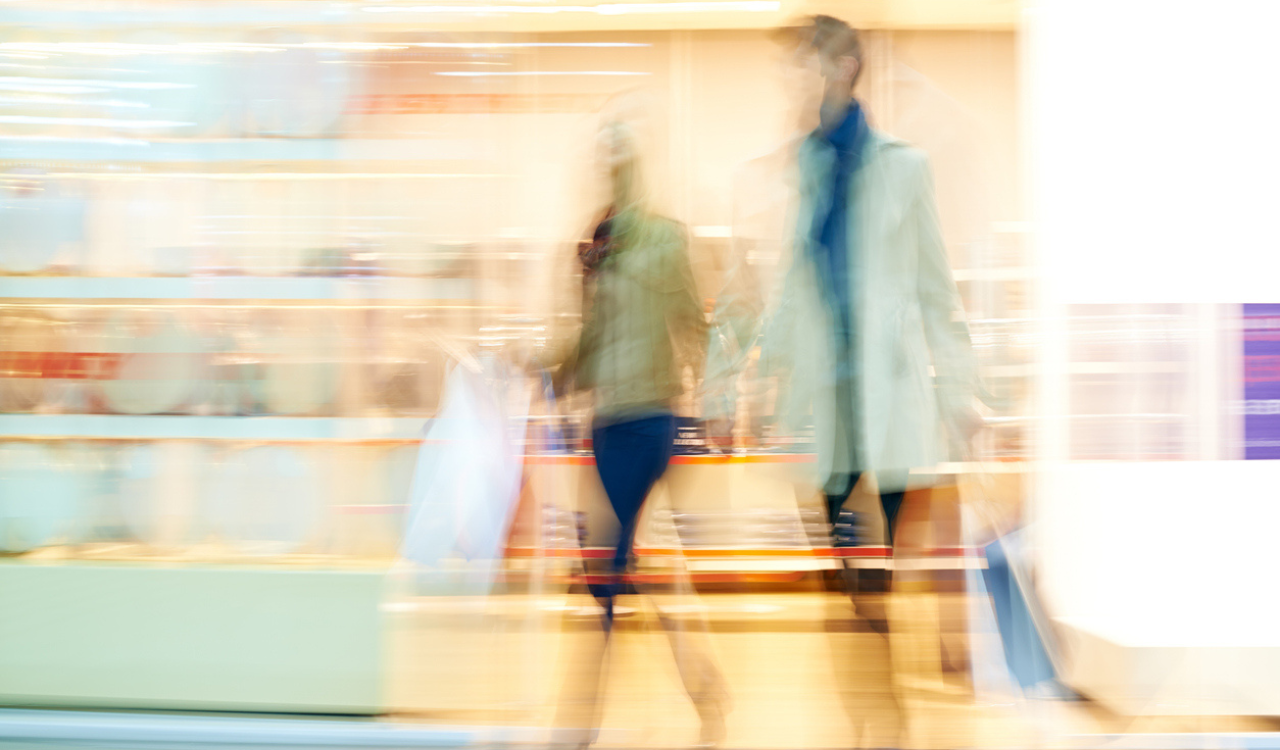


The physical store has always been a black box. We know what inventory goes in and what gets sold. But almost everything in between, including where shoppers go, what they look at before they put something in their basket, and what marketing influences their behavior, has been largely invisible. Spatial intelligence, which uses computer vision, RFID, and other technologies to analyze what happens in stores, is unlocking retailers’ ability to improve the customer experience.
Why are most physical stores black boxes? And the answer is: Stores are a source of real-time intelligence, and spatial intelligence provides retailers with new insights to drive revenue and profits.
Our Eyes Only
I’ve experienced the evolution of spatial intelligence firsthand. When I was CMO at Grabango, we used computer vision to automate checkout and analyze in-store shopping behavior. We used the data we captured to create a metric we called the “put-back” rate, which measured how often shoppers picked up an item, evaluated it, and returned it to the shelf. This data doesn’t exist in traditional retail; we knew what was purchased, but we didn’t know what was considered and rejected. Surprisingly, when we ran the analysis, the highest put-back rate was for a multi-pack of ice cream. At the other end, a bottle of Jameson whiskey, which was never put back once it was picked up. Our client, a leading CPG company, used the data to evaluate both the product mix and the packaging for its ice cream.
Three emerging spatial intelligence use cases are revolutionizing how stores operate: out-of-stocks, shopping behavior analytics, and store operations.
Intelligence Revolution: Out-of-Stocks
Out-of-stocks are a huge issue for retailers. According to recent research by IHL, out-of-stocks cost retailers $1.1 billion globally in 2026. It’s not just the lost sales. Increasingly, out-of-stocks undermine customer loyalty. No one likes showing up at the store or ordering something online and not getting what they want. Until recently, store associates walked the aisles hoping to identify out-of-stocks or products that were running low on inventory. Now, AI and computer vision are turning the shelf into a real-time data engine, capturing everything from shelf availability and planogram compliance to pricing accuracy. When stock is running low, AI can trigger a reorder or send a task to bring product from the back room.
Retailers are increasingly rolling out new solutions. Kroger, for example, has been piloting robots from Simbe and Badger Technologies in 70 stores in Cincinnati and Indianapolis. The robots (popular with children) are armed with cameras and roam the aisles, capturing shelf-edge data. Simbe also works with BJ’s Wholesale, Wakefern, Hy-Vee, and Schnucks, among others. Badger also works with Ahold’s Stop & Shop Banner.
Robots aren’t the only way to capture shelf-edge data. Augmodo embeds a camera in employee badges to passively capture shelf-edge data. The company works with Chemist Warehouse in Australia and is piloting with several retailers in the United States and Europe. It recently raised $21 million to power its expansion.
Outside of grocery, RFID tags provide similar capabilities as computer vision for home improvement, specialty, and other retailers. H&M, for example, recently announced it is leveraging AI, RFID readers, and smart mirrors to locate specific inventory items within three to five feet. It connects with sales data to help inform H&M which SKUs sell the fastest and which get abandoned in fitting rooms, where to place products to optimize sales, and when stock is running low. Overall, RFID technology can help apparel retailers raise stock accuracy from roughly 65 percent to nearly 99 percent.
Insights: Shopper Behavior
Retailers consistently overestimate how engaged shoppers are. Based on billions of trips and hundreds of categories, video analytics pioneer VideoMining has found that on average 44 percent of shoppers who shop a category walk away without buying on that trip. They show up, stop, interact with the product, and then leave empty-handed. The simple message: If you build it, they may come, but they won’t necessarily buy. Online, it’s easy to track the customer journey from view to purchase. Spatial intelligence provides retailers with similar conversion metrics in-store. Knowing that people walked past a category tells you very little. Knowing that they stopped, picked something up, and put it back tells you there’s a specific, diagnosable problem.
Computer vision can reveal how shoppers navigate a store, mall, or other physical space: where they dwell, where they turn back, which areas they avoid entirely. When I was at Kroger, we struggled to understand whether a product was purchased off an end cap, another display, or off the shelf. With spatial intelligence, retailers can analyze whether the end cap investment worked for both the retailer and the brand.
Spatial intelligence provides new insights to brands as well. Shopnosis, for example, uses smart glasses to track exactly where shoppers look as they move through a store. In one case involving a display for a coffee brand, the data showed shoppers were looking at the top of the display and largely ignoring the side panels, which were the most visible as shoppers walked past. The display wasn’t bad, but the messaging was placed where people weren’t looking. That kind of insight is impossible to get from sales data alone.
Operating Intelligence
There are many ways spatial intelligence can help with store operations, from managing checkout lines and combating theft, to automating checkout and augmenting the workforce.
- Although shoplifting rates have declined, theft remains a big issue for retailers. For starters, computer vision provides insight into where and when theft occurs. At Grabango, we analyzed hundreds of self-checkout transactions and found that an unexpectedly high percentage of shoppers (3.5 percent of sales, or more than 16x the shrink rate via cashiers) intentionally didn’t scan all of the items in their basket. That is one reason there are more video analytics systems at self-checkout to alert the customer and the store team if you haven’t scanned something. Increasingly, solutions are emerging that flag suspicious behavior in advance and alert store security to intervene.
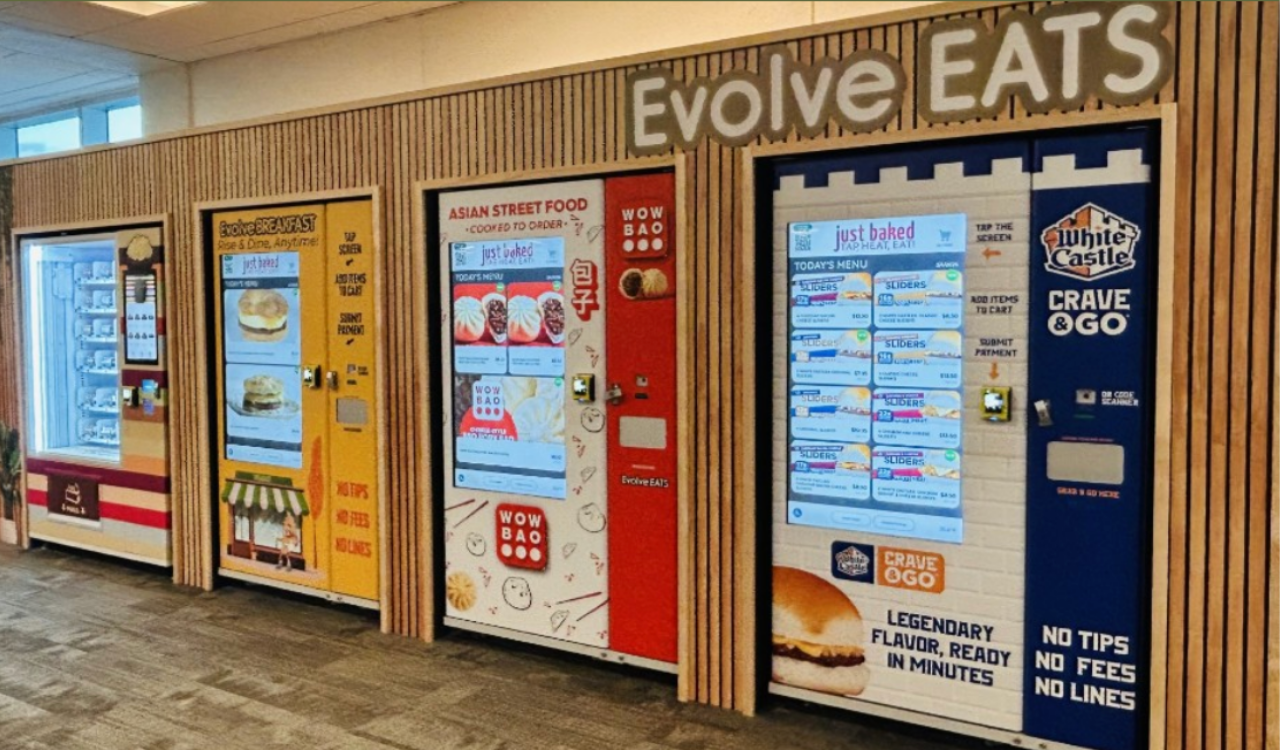
- Automated checkout. Apparel retailers, led by Uniqlo, have had great success using RFID to automate the checkout process. You dump your clothes in a bin, and the RFID readers add up what you owe without having to scan anything. Grocery and convenience stores have proven to be a harder nut to crack. While computer vision can track what consumers pick up and put down as they shop, the systems are not yet able to deliver real-time receipts with the accuracy rates retailers demand. That said, I expect automated checkout systems to begin replacing grocery and C-store self-checkout machines in the next three to five years.
- Workforce enablement. One of the benefits of spatial analytics is to identify problems you don’t know you have. For example, take a C-store that staffs its cashiers to match the lunchtime rush. What the transaction data doesn’t tell you is how many people see the line and leave without buying anything. So, while you might think you are staffed appropriately, you need more cashiers during peak times. Spatial intelligence can also tell retailers whether their staff is engaging shoppers, evaluate if the store is clean, and help associates find items for shoppers among other use cases.
By transforming the physical store from a black box into a source of real-time intelligence, spatial intelligence provides retailers with new insights to drive revenue and profits.