

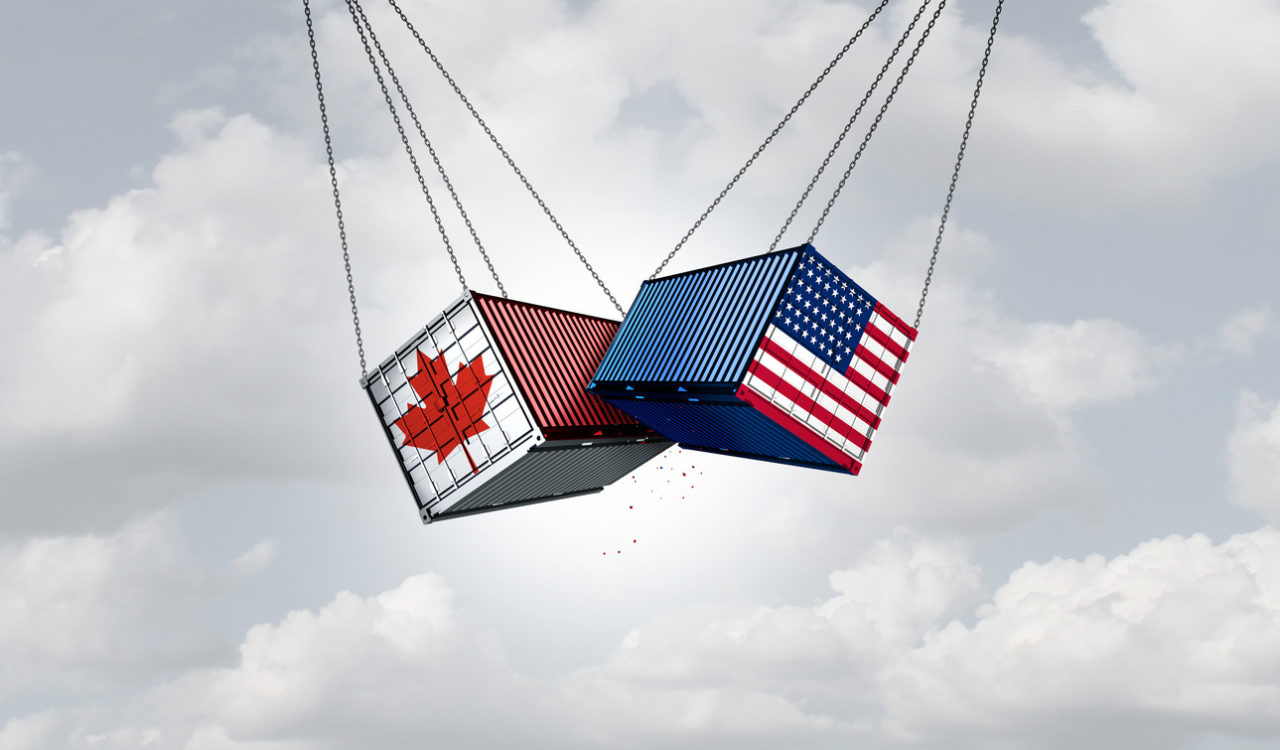

If you feel like you’re in a parallel universe where up is down, right is wrong, and good is bad, nobody could blame you…especially if you’re Canadian. While the Trumpian tariffs were originally rolled out to punish countries like China and bring a return of domestic manufacturing, they’ve turned into a political sledgehammer, striking wherever and whomever the president believes has done America wrong.
What will the new Canadian trade war do to Americans? And the answer is: Be prepared for American cars, furniture, and Canadian whiskey to rise in price.
O Canada
It’s Canada’s turn now. Even as China has largely escaped the worst of tariff terrors and Russia doesn’t seem to be on any lists Trump uses for his Show-and-Tell sessions. As you read this, Canada is being slammed with 50 percent tariffs on a wide range of products. Canada—not the passive and benign, love-thy-neighbor country many believe it is—has retaliated in kind, dredging up its own set of 50 percent tariffs on all sorts of Made-in-America stuff.
And, full disclosure, while this is being written as close to when you are reading it, the situation could be completely different ten minutes from now. It happens all the time in parallel universes.
Situational Tariffs
This latest tariff tiff is more about industrial products like steel and lumber than it is about consumer goods. Of the estimated $900 billion in trade between the countries, it has much more to do with raw materials and components used to make things than actual finished merchandise. That said, many such items are included in the Trump Hit List: hockey sticks (of course), fishing rods, dog collars, Canadian whiskies (duh), toys, some apparel, and marine buoys. It’s an odd collection, and perhaps somebody in the bowels of Washington DC actually put some thought into this…though based on recent activities that may be too much to assume.
In most of these categories, Canadian production is not critical to the average American consumer. When was the last time you saw a Made-in-Canada label on a shirt you bought? And how many hockey sticks do you actually need, no matter how fanatic a player you are?
The huge proverbial Sword of Damocles hanging over Canada is Trump’s latest threat to extend this tariff terror to automobiles and car parts. There are no Canadian car companies, but since the days of Henry Ford, American producers have built vehicles in Canada. The interconnected industry stretches from Detroit south (yes, south, look it up on a map) to Windsor and elsewhere in the province of Ontario in Canada, and has been a constant dynamic of the business for more than a century. Many U.S. car buyers would be shocked to know that such good-old-American brands as Jeep, Chevy Silverado and Ford pickup trucks are all made north of the border. And those sticker prices are going to get more expensive as collateral damage to the new tariffs imposed by Trump.
Americans Take a Hit
Of course, our president wouldn’t allow the American consumer to go unscathed in all of this. And that’s the big downside of this latest tariff tangle: It’s the raw material components that we get from Canada that are going to hit the retail trade if all of this isn’t worked out.
Start with lumber: Canada is the largest supplier of imported building materials used for home construction in America. About 30 percent of the lumber used in building comes from Canada, and it accounts for more than 80 percent of all the wood imported into this country. The home building business has enough problems with high mortgage rates, low consumer demand, and other assorted challenges; the last thing it needs is a 50 percent increase in the cost of the wood it uses.
Canadian wood is also a pretty big factor when it comes to furniture and other wood-based home goods like kitchen and bathroom cabinetry. The U.S. mostly imports its furniture, and the biggest chunk of it comes from Asia but there’s still about a third of all upholstered furniture that’s made in America and most of it uses wood for its frames and support components. A lot of that comes from Canada. Let’s also not forget finished furniture that comes out of Canada. Again, not a huge percentage of the overall business, but try telling that to the American company that gets a substantial amount of its products from the north. The furniture business is another one that doesn’t need any more bad news. The home cabinetry sector isn’t in much better shape.
Then there’s steel and aluminum. Construction gets hit hard here, but so too do product categories like major appliances—refrigerators, dishwashers and such—that use metal. This is one category where the majority of what Americans buy is made domestically but uses imported raw materials from Canada, so the impact could be devastating. Cookware made in the U.S. (another category that is mostly imported from Asia) will also feel the tariffs. One well-known American brand—no names, please—has said it’s already had trouble getting steel for its pots and pans, and that was before the latest round of tariffs.
Back at You
In a counter move, Canada’s retaliation will affect $20 billion worth of annual U.S. exports to Canada, roughly matching the dollar-value impact of the tariffs Trump said he would place on Canadian products. Canada will impose a 50 percent tariff on American imports of steel and aluminum, dairy products, apparel, cosmetics, paper, and high-end electronics. This will impact all imported American steel and aluminum products, effectively doubling their prior tax rates. Additionally taxed are large-scale components like steel bridges and railway locomotives, high-volume essentials including milk, cream, and cheese; perfumes, cosmetics, toilet paper, and facial tissue; and everyday consumer materials like household rolls of aluminum foil. Retailers will feel the pinch from taxes on clothing, including men’s and women’s coats, video game consoles and modern smartphones, and sports equipment such as golf clubs and fishing rods. Here’s the blunt truth: Retailers, suppliers and consumers on both sides of the border will lose and pay the price
Is a Taco on the Menu?
The Trumpian tendency to reverse course: Trump Always Chickens Out (gee, I wished I’d come up with that one) means that all of this could be a moot point sooner rather than later. We’ve seen these trade deals bounce around for more than six years of Trump 45 and 47. There’s nothing to suggest it won’t happen again.
But in the meantime, companies are once again scrambling to try to figure out what to do and how to come up with workarounds. It’s a huge waste of time and resources. There’s a saying in Canada, “Keep yer stick on the ice,” basically meaning be prepared and try to stay positive. We might hear people south of the border starting to say it too before too long.