

As luxury fashion houses combat luxury fatigue, the luxury cruise market continues to gain velocity. According to Bain & Co., the sector grew 10 percent to $6 billion in 2025. Cruise holidays have long been associated with an affluent lifestyle and remain an important part of the high-net-worth leisure portfolio. The Sail: A New Era for Luxe Cruising survey found that almost two-thirds of affluent and high-net-worth individuals have taken a cruise holiday, while an additional quarter express interest in doing so in the future.
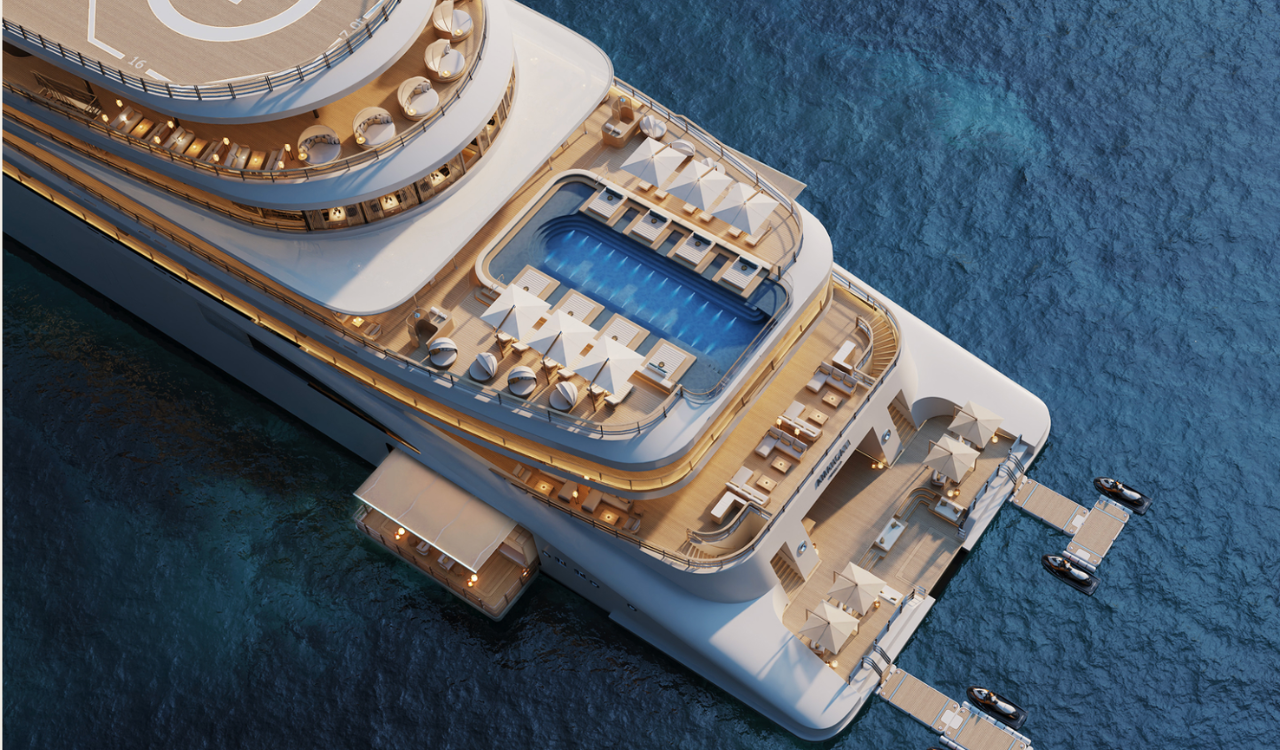
Operators are responding with an unprecedented expansion of luxury capacity. According to the Cruise Lines International Association, the global luxury cruise fleet has grown from 28 ships in 2010 to 98 vessels in 2025. Leading hospitality brands are entering the market with branded yacht experiences. Ritz-Carlton, Four Seasons, and Orient Express have already set sail, while Aman is set to debut Amangati in spring 2027, the first vessel in its Aman at Sea collection.
What’s a new growth area for luxury brands? And the answer is: Luxury-branded cruises have a captive audience with the means to load up on Chanel, Rolex, and Cartier.
The New Luxury Cruise Consumer
The growing appeal of luxury cruising challenges several long-held misconceptions.
- First, millennials are redefining perceptions of the luxury cruise traveler. A 2025 survey of affluent and high-net-worth individuals found that 69 percent of those under 45 had taken a cruise holiday within the previous two years, compared with 64 percent of those aged 45 and over. It’s no coincidence that tennis star Jannik Sinner is Explora Journeys’ Global Brand Ambassador.
- Second, the cruise market is still dominated by the U.S., but its appeal is becoming increasingly global. Asia generated 2.6 million cruise passengers in 2024, a 13 percent increase over the previous year.
- Third, the luxury cruise experience extends well beyond the destinations visited, with operators investing in innovative and exclusive onboard experiences. For example, the Four Seasons Chef-in-Residence Program features Michelin-starred chefs from its properties around the world.
Luxury Cruise Retail
A captive affluent audience provides luxury retailers with a unique opportunity to engage a hard-to-reach demographic. According to Transparency Market Research, global luxury retail on cruise liners was valued at $15.4 billion in 2023 and is forecast to nearly double to $36.9 billion by 2034.
Luxury brands are recognizing the strategic importance of this emerging channel by investing in experiences that combine “being” with “having” in a distinctive retail environment. For example, Cartier, IWC Schaffhausen, and Piaget offer private retail spaces, exclusive viewings, and in-suite appointments aboard Luminara, a superyacht in The Ritz-Carlton Yacht Collection. Likewise, the inaugural voyage of the LNG-powered EXPLORA III this month features a curated retail lineup including Chopard, Piaget, Cartier, and a dedicated Rolex boutique. Beyond the ship itself, brands are also co-developing destination-integrated experiences, from VIP access to couture houses to private shopping excursions with personal shoppers.
However, the long-term prize will ultimately depend on the growing number of aspirational luxury travelers entering the cruise market. These consumers are either upgrading their cruise experience through luxury ship-within-a-ship concepts offered by mainstream operators such as MSC Cruises and Norwegian Cruise Line or indulging in luxury shopping as part of a holiday experience. Shopping is an integral part of cruising. A 2024 guest survey reported that 92 percent of travelers are likely or very likely to look forward to shopping while away.
The expansion of luxury retail across mainstream cruise lines is democratizing access to luxury. The 21-deck Star Princess, which accommodates 4,300 guests, features nearly 4,800 square feet of retail space across two decks, including a Chanel beauty shop-in-shop. Similarly, Royal Caribbean’s Spectrum of the Seas offers a selection of luxury boutiques featuring brands such as Bvlgari, Cartier, and Omega.
Luxury cruise retail, however, is about more than a physical presence. The shopping context differs fundamentally from that of a traditional retail environment. Guests are immersed in a leisure experience, with time to browse and shop. Research has found that nearly half of cruise guests make impulse purchases while guests return to onboard stores an average of three times during the same voyage. Why buy a Cartier watch before boarding? It’s a “now or never” shopping experience.
From Retail Space to Brand Theater
The key for luxury brands is to create impact by adapting retail to the unique identity of each cruise experience. Virgin Voyages, for example, has positioned itself around a younger adult audience with a no-kids policy. The details matter: A retail experience designed for Gen Z requires a different approach from one targeting older high-net-worth travelers. Virgin Voyages’ ships are designed to be Instagrammable, and retail activations such as guided tasting events at the Booty Free Shop are unmistakably on brand.
The future of luxury cruise retail lies in experience creation. A 2025 Harding+ survey found that 87 percent of guests said their onboard purchases were influenced by brand theater. Increasingly, cruise retail is becoming a stage where brands can educate and entertain. For example, Molton Brown’s ‘Artists of Note’ retail pop-up activations aboard P&O Cruises’ Iona and Arvia use artistic storytelling to bring fragrance customization and interactive scent profiling to life.
Prestige brands take the cruise experience further by owning the entire customer journey. Escape with Effy 2026 is a charter cruise featuring jewelry-themed itineraries aboard Celebrity Reflection, Carnival, and Regal Princess. Jewelry sales are integrated with special events, including custom design sessions with Effy artists. Ringing the bell is a celebratory tradition that takes place whenever a guest makes a jewelry purchase or reaches a milestone during onboard shopping events. This simple ritual reinforces the emotional connection between the brand and the experience.
The greatest impact is achieved when shopping is integrated into the broader cruise experience. Exclusivity and extraordinariness can elevate the onboard proposition. For example, Carnival Cruise Line and Diageo launched a limited-edition Bulleit Bourbon as part of the celebration of America’s 250th anniversary, available exclusively on 14 Carnival ships. Meanwhile, first-at-sea brand debuts, such as Aurélie Bidermann’s sea-inspired fine jewelry designs aboard Legend of the Seas, create a sense of discovery and exclusivity.
However, delivering this level of experiential retail at sea presents unique challenges. The Cruise Retail Trends Survey 2026 identified guest experience as the most important challenge in managing retail operations, alongside constraints including limited space and operational complexity. These obstacles create opportunities to rethink onboard retail. Luxury brands must now ask whether it’s time to recreate the voyage itself.