
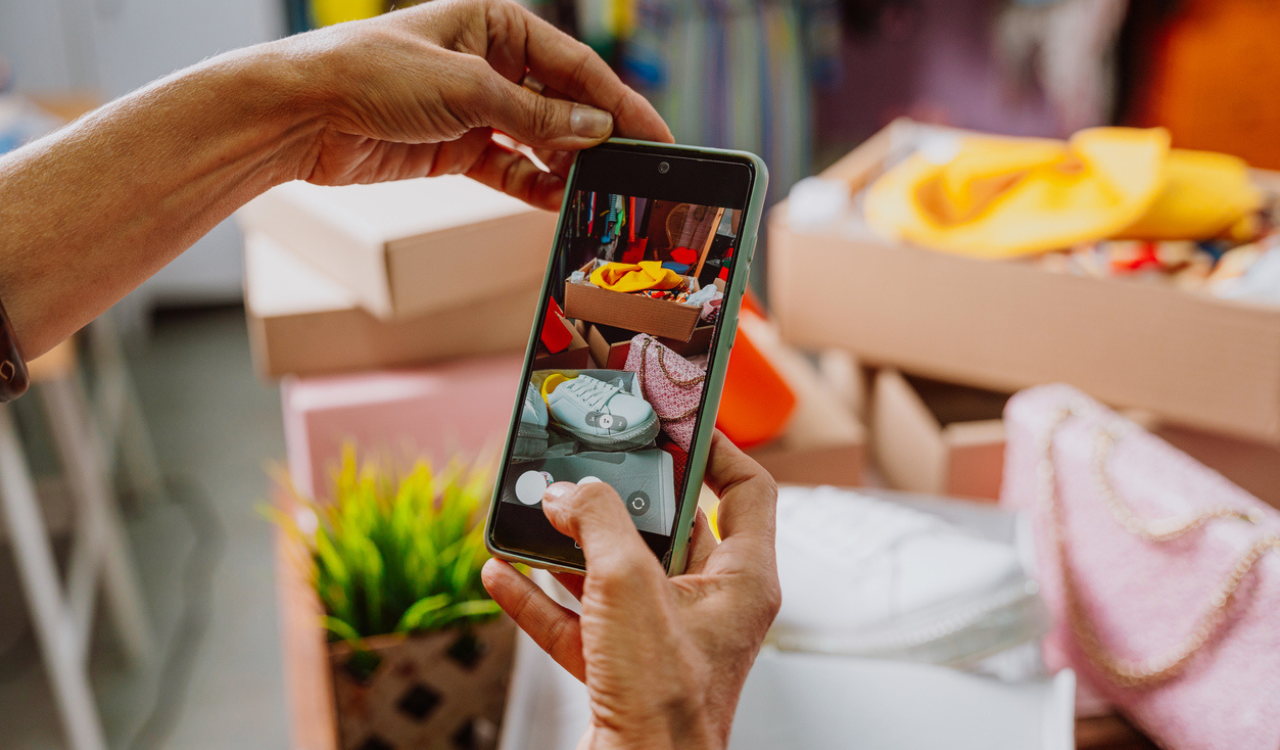

We’re witnessing a restructuring of the apparel lifecycle. In addition to environmental concerns, a retail inventory shortage, rising tariff costs, and an increase in online resale marketplaces, the life path a garment takes is becoming less linear. The healthy fashion lifecycle is a closed-loop system (or circular economy) focused on the reintroduction of previously used clothing into the market through resale, upcycling, or consignment. The opposite journey is to the landfill.
The perceived value of secondhand clothing is growing with no slowdown in sight. However, the price of secondhand goods has also recalibrated to demand––especially for brand names. ThredUp’s Resale Report said prices for secondhand clothing have increased by 40 percent over the past five years.
Customers are competing for repurposed goods, but their intentions go beyond looking cool at their next dinner. Buoyed by online resale marketplaces like The RealReal and Poshmark, and chastened by sustainability concerns, customers are now competing for goods that they intend to resell when they’re done with them. Professional resellers are also vying for top-notch goods. So, how does the surge in resellers impact the circular economy now and into the future? Let’s talk about it.
What’s the biggest threat to the resale market? And the answer is: Professional resellers that are undermining the consumer reales community.
Missed Opportunity
When brands have built-in resale features, it helps build consumer trust, positioning the brand as a company that understands the circular economy and lifetime value of their apparel. However, few brands take advantage of this opportunity. Business of Fashion reports that brand- and retailer-led resale currently make up a small fraction of the secondhand market. In fact, brand- and retailer-led resale sites hosted “275,000 active online listings in 2025, while peer-to-peer platform Depop hosted more than 40 million alone.”
This control gap begs the question: Why are brands letting resellers define their product lifecycle? After all, once a Chanel purse is photographed by customers on Poshmark or (and Coco would turn over in her grave about this one) Facebook Marketplace, the company has zero control over brand perception. Resellers can photograph the Chanel bag next to a pack of Marlboro Lights, a rabid Golden Doodle, or even a knockoff wallet; there’s little the brand can do.
But smart brands don’t leave their brand perception up to chance. Lululemon’s Like New brand-led resale program lets customers choose from sell or trade-in options. Lululemon lists its resale goods alongside full-priced inventory on its website. Lululemon isn’t alone in hosting a successful resale program; Athleta and Patagonia are also pioneers in this arena. Brand-led trade-in and resale programs go beyond performance wear, with BoF reporting the number of brand-led resale programs in the U.S. grew around 300 percent from 2021 to 2025.
Resale Value Is a Purchasing Consideration
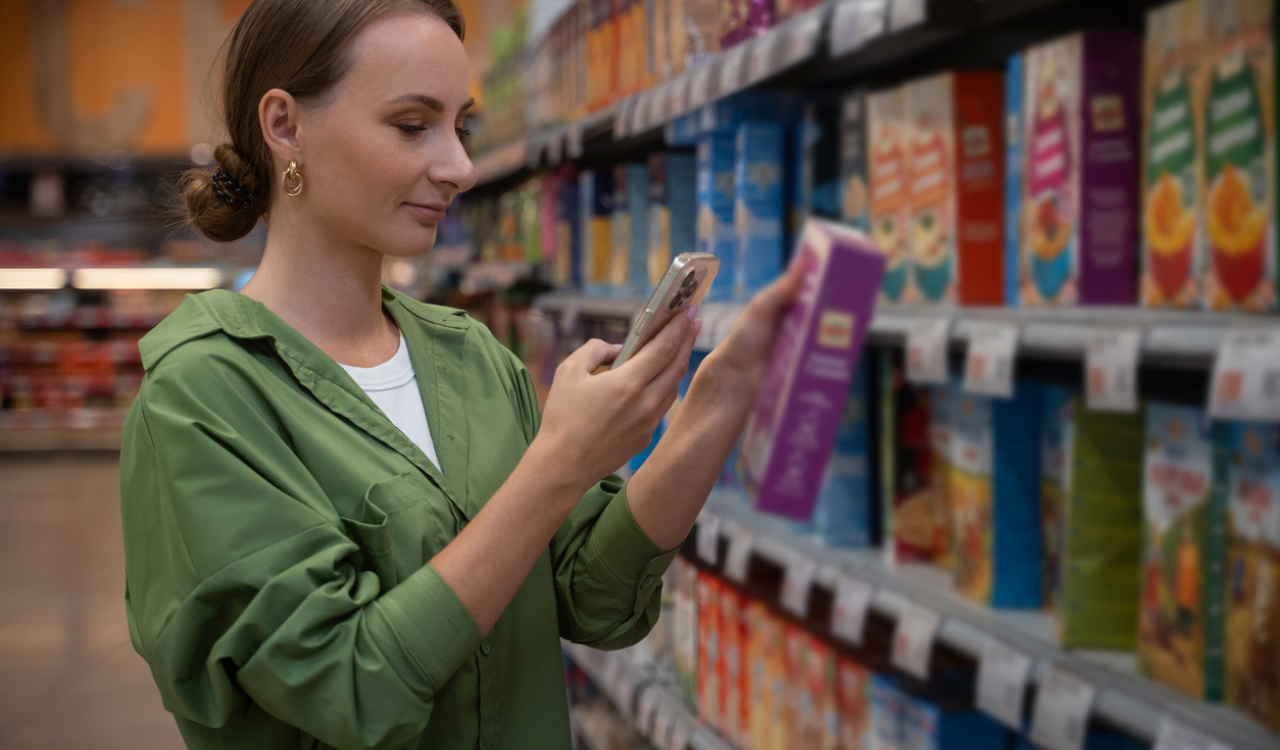
The style trend cycle moves so quickly that many customers are constantly hungry for new apparel. Being a slave to fashion has consequences with an overflow of clothing that goes out of style. Buying secondhand with an eye for trendy apparel doesn’t just reduce consumers’ guilt about overconsumption, it also makes cycling through clothing more affordable. A staggering 72 percent of consumers say that rising prices are directly impacting their apparel spending. Online resale lets customers browse on their phones for specific products or brand names the same way they would for new clothing at a fraction of the price. AI-powered search engines drive them to the exact product they want through image search, chat, and enabled cookies.
Brands aren’t the only ones benefiting from the yassification of the resale industry. Professional resellers put money in the resale game, as do regular consumers. As American household debt skyrockets, more people are relying on side hustles to fill financial gaps. Fashion resale lets entrepreneurial consumers capitalize on their fashion knowledge to make easy money; 60 percent of customers now say resale value is a key consideration when buying new apparel. Consumers are no longer the end destination for apparel, but a way station along the product’s journey.
There’s a generational component to fashion resale, too. Younger consumers are way more likely to buy and sell apparel. Consider that 52 percent of Gen Z and millennials now attempt to resell over half of their closets––which could be seen as extensions of their personal brands. However, prospects for those entering the resale industry today aren’t quite as rosy as these numbers might lead you to believe.
Steep Competition for Brand Names
Now that 57 percent of shoppers resell items for income (up over 2X from last year), the market is oversaturated. Some argue that the resale curve has reached its summit. The demand for secondhand products continues to climb, and every new item now competes against its secondhand equivalent. Resale isn’t enhancing the value of full-priced products when consumers simply abandon them to focus on affordable alternatives.
Everyone is parroting that resale transactions are on the rise right now, without adding the essential caveat that spending per transaction is declining significantly. RetailDive reports that, in April alone, spending per household on used apparel rose 8 percent year over year but spend per transaction actually dropped by a full 22 percent. Consumers clearly want brand-name apparel to show off their fashion chops, but the marketplace is making it harder to afford. So, in the resale arena, everyone wants to be the first to snatch up hot brand names to turn a profit.
Circular Meritocracy
A circular supply chain should be the goal for all brands. However, most brands still don’t have the supply chain infrastructure in place to control their product lifecycle. And online resellers are finding it harder to make a profit as resale platforms take the lion’s share of their earnings. If small to mid-sized brands don’t implement trade-in programs to clear and recirculate their own secondhand goods, professional online resale platforms could become behemoths akin to Amazon (although, we can only hope, less nefarious). In the end, it’s online resale platforms (and not individual resellers) that are forcing us to rethink the fashion lifecycle. The circular economy is being kept alive by online resale platforms that are the true winners today. The question is whether professional resellers are redefining the circular economy into a highly competitive, unaffordable way to keep apparel out of the landfills.