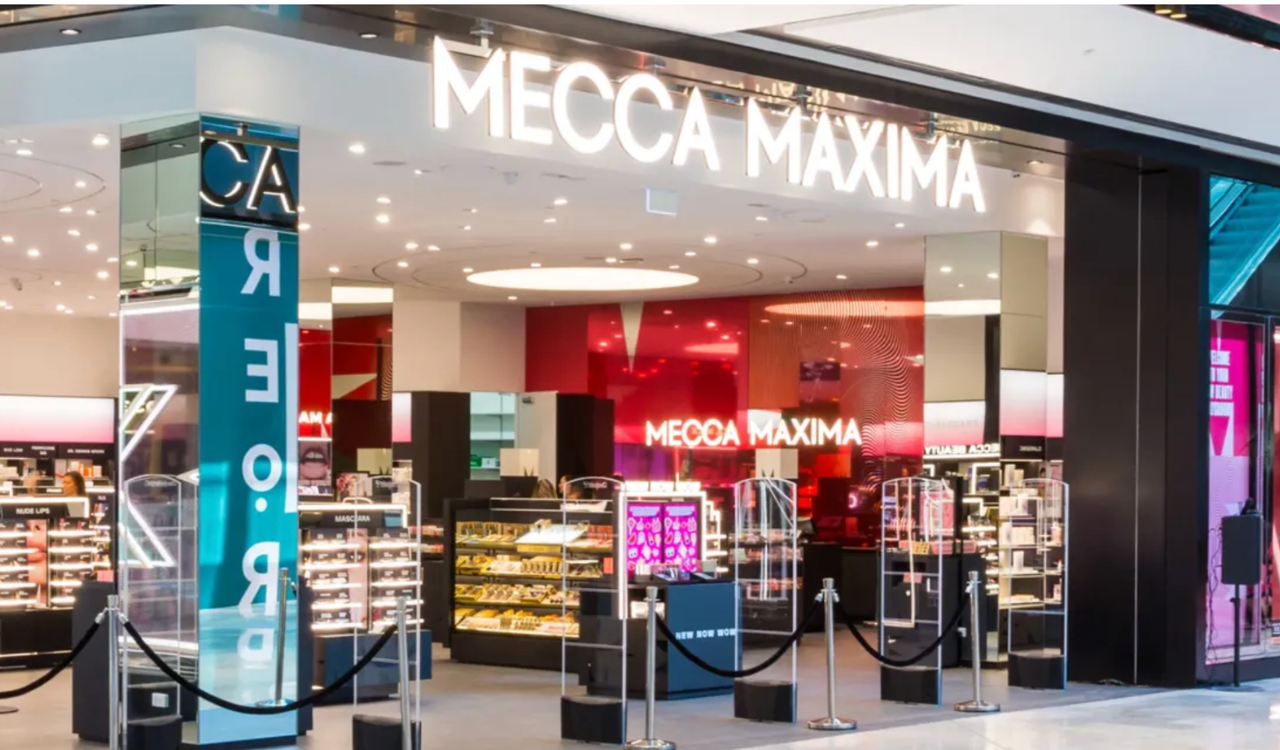


Not so breaking news: Customers are returning to stores. Traffic has stabilized across many retail environments and is particularly strong in lifestyle centers. New brands continue to invest in physical space. Digitally native companies are opening stores, and next gens are spending more time in malls. The shift is often described as a consumer desire for experience, discovery, and social interaction. True, but incomplete. What customers are really seeking is connection. Connection to brands. Connection to product. Connection to other people.
How can physical retail deliver a better experience? And the answer is: Connection and being relatable.
Physical Retail Is Back
The premature narrative around the “death of the store” is being replaced with a more grounded reality: Stores are not disappearing; they are being redefined. With consumers seeking connection to something that cannot be replicated through a screen, this shift has real implications for how stores are designed, operated, and evaluated. Established retailers are rethinking layouts, assortments, and service models. Retailers that recognize connection as the primary job of the store understand that designing for optimum traffic does not translate into engagement or loyalty.
Experience Is No Longer Enough
Customers are more selective; they are not visiting stores out of necessity; they are choosing to be there. And that choice raises the bar. A store is no longer competing with other retailers. It is competing with every other way a customer can spend her time. Many retailers have responded by investing in experience. Experience can be powerful; it draws attention and creates moments. But experience on its own is not the end goal.
Experience without connection is simply entertainment and diversion. It may attract customers once, but it doesn’t build a relationship. Relationships are what last. Customers return when a store feels relatable, personal, and aligned with who they are. That requires more than moments; it requires consistency, intent and deep understanding.
Creating a holistic experience is where many retailers fall short. They introduce experiential elements without integrating them into the broader environment. The result is a store with isolated moments of interest, but no pathway to building a relationship. Connection is not a moment; it is an outcome.
The Elements of Connection
The most interesting signals that preview change are not always large-scale transformations. They are often the small, deliberate choices that retailers or brands make. Authentic connection is not about scale; it is about intent. Connection is built through a series of strategically aligned decisions. It starts with clarity. Retailers should telegraph quickly who the brand is for and what it represents. This is expressed through layout, materials, lighting, and product presentation as much as through messaging. Connection is also built on relevance. Assortments should feel curated, product adjacencies should make sense, and the environment should reflect how customers desire to shop.
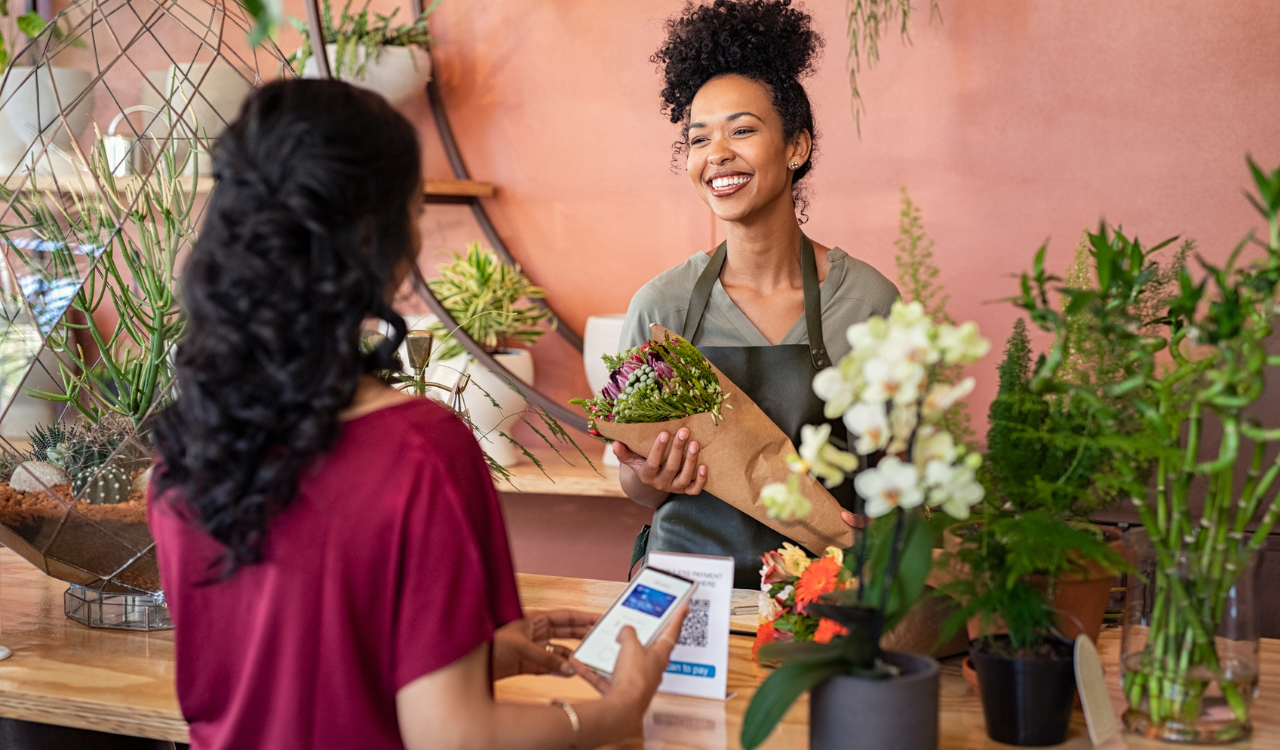
Connection is also reinforced through service. Associates transform the environment into a human experience. Product knowledge, timing, and empathy all matter. And connection is sustained through consistency. The experience should be embedded across any visit and location. Trust builds when expectations are clear and met. When these elements align systemically, the store becomes more than a place to browse. It has become a place where customers feel seen and understood.
Connected Experiences
Some of the best examples of connection are not the most theatrical. They are the most targeted, disciplined and authentic. Retailers that create connections prioritize coherence over novelty and relevance over volume. They make deliberate tradeoffs.
Aerie is listening to its customers. Its long-standing commitment to not retouching people and bodies has been recently reinforced with its campaign that explicitly rejects AI-generated bodies and imagery. This values-based position goes beyond marketing; it shows up in-store where the message is visible, consistent, and easy to understand. It is a relatable idea, executed with clarity.
KPOP Nara creates connection through active participation. A handwritten customer request list invites shoppers to share what albums or merchandise they want the store to carry or restock. It’s not a complex idea, and it’s not expensive. It signals that the customer has a voice in shaping the assortment. That connection reflects a shift from simply presenting products to engaging customers in a meaningful way.
Rivian’s retail environments are controlled and focused. There is no excess product, no competing messages, and no unnecessary distraction. Each element serves a purpose. This is not minimalism for aesthetic effect. It is clarity in the service of connection. Customers are given room to engage with the brand without friction. The environment does not compete with the story. It reinforces it.
Designing Connection
Retailers must align their operating model with the experience they are trying to deliver. If connection is the goal, the environment, staffing, and processes must support it. This requires investment. It also requires focus. Not every initiative contributes equally. Savvy retailers decide what matters most and execute it consistently.
As digital capabilities continue to mature, the role of the store becomes more distinct. Online excels at convenience, selection, and speed; stores can excel at connection.
This is not a tradeoff; it is a differentiation. Retailers that treat connection as a byproduct will struggle to stand out. Those who design for it intentionally will build stronger, more durable relationships.
The shift toward connection reflects a broader change in expectations. Customers are not simply looking to buy. They are looking to belong and to engage with brands that reflect their values. Stores remain one of the most powerful tools retailers have to meet those expectations, but only when they are designed and operated with that purpose in mind.