

Luxury brands need to attract next gen shoppers to survive. Gen Z and their younger cohort, Generation Alpha, are set to drive 40 percent of all fashion spend by 2035; heritage luxury brands that aren’t relatable to young consumers won’t make it into the 2030s. The issue is that younger consumers often have very different priorities than the luxury brands’ customer base. Stalwarts like Tiffany and Chanel aren’t packing the same punch; they didn’t even make the Lyst index of hottest luxury brands in Q4 of 2025.
Traditional luxury status symbols like Birkin bags don’t resonate with younger consumer demographics that are hyper-focused on individuation, forcing heritage luxury brands to rethink their marketing. For next gens, ubiquity reads as uniformity. So, brands are moving away from relying on legacy as their sole selling point and tapping into unexpected strategies to target Gen Z and millennial consumers. And they’re doing this in some interesting, dare we say, inspiring ways.
How can traditional luxury brands groom next gens as their future customers? Follow the lead of Chanel and Louis Vuitton in appealing to Gen Z’s sense of humor, personalized style, and desire for individuation.
Combatting Uniformity
Ubiquity and devaluation kill the perception of coveted luxury. Two years ago, The New York Times reported, “Luxury brands have triggered their own death spiral by selling overpriced, overexposed and lower-quality products,” calling out Prada, Louis Vuitton, and Gucci for price hikes, for some popular of their items those hikes were as high as 111 percent. Chanel and Marc Jacobs were lambasted for hiking prices while also cutting quality. Two years later, the price hikes continue, but luxury brands are justifying them by refocusing on artistry and quality.
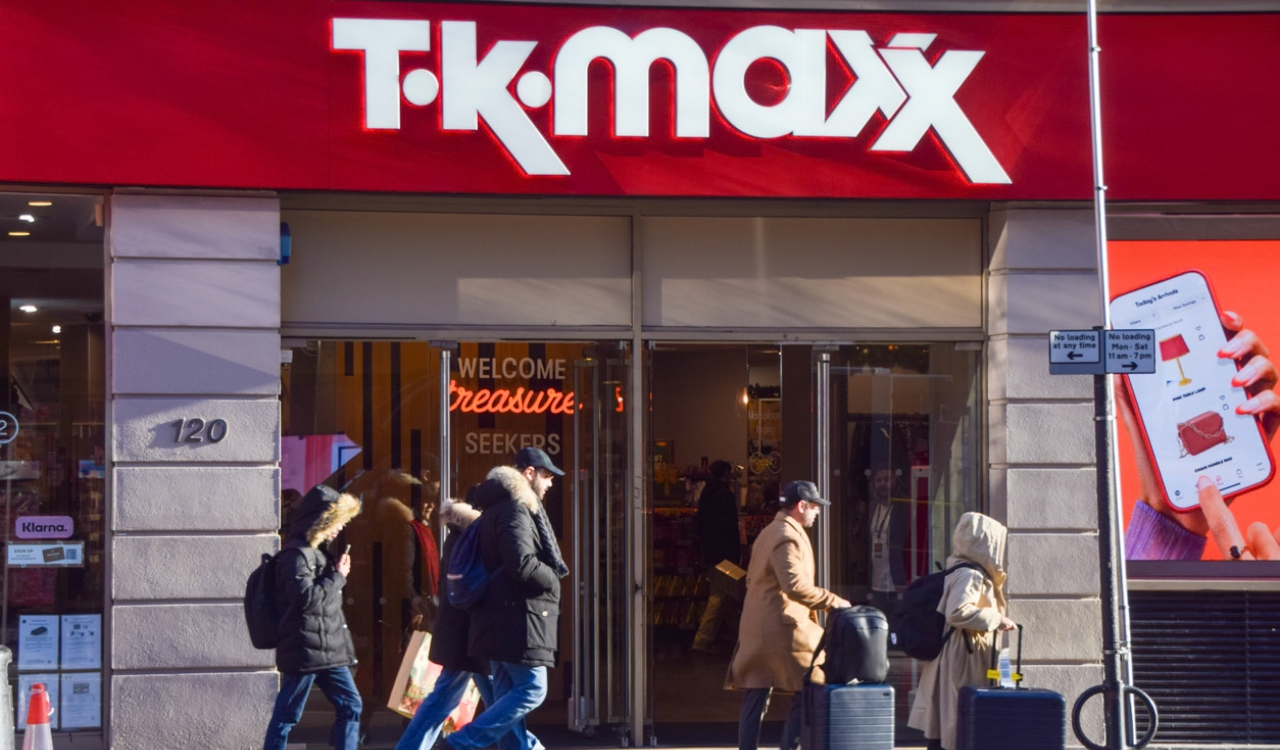
Next gens grew up being exposed to brands like Balenciaga and Burberry through their diffusion lines at T.J. Maxx, so they don’t associate those name brands with a luxury experience. Craftsmanship is no longer assumed as exclusive to luxury brands, so they are highlighting their exceptional craftsmanship on digital platforms to reinforce brand prestige. When it comes to the artistry and quality of luxury brands, next gens need to see it firsthand (on social media or in store) to believe it.
Above all, next gens don’t want to blend in. Brands built around personalization, like the embroidery brand Abbode, are entering the marketplace. And brands including Louis Vuitton, Loewe (next gen favorite on the Lyst index), and Dior offer customization services as part of their value proposition.
Next Gens Say “Prove It”
BCG predicts Gen Z’s luxury spending will rise from 4 percent to 25 percent by 2030. So, how can luxury brands make themselves relatable to next gens without losing their quintessential style? And how can they get them to pay full price for a luxury item, rather than wait to find it at a consignment shop or thrift store? Chanel and Louis Vuitton’s recent artistic collaborations serve as inspiration.
- Louis Vuitton and Murakami
Louis Vuitton harnessed Zendaya’s star power for the 130th anniversary of the Monogram and the Speedy bag, and Japanese artist Takashi Murakami created delightful moments on the Monogram’s offerings and website. Murakami’s iconic re-edition pays playful homage to the LV Monogram. Vivid, color-saturated design livens up the luxury stalwart’s signature pieces. The Murakami experience is inspiring: His art creates an unexpected, immersive twist on an icon that immediately delights and rejuvenates an 1896 luxury staple.
- Chanel Taps Gondry
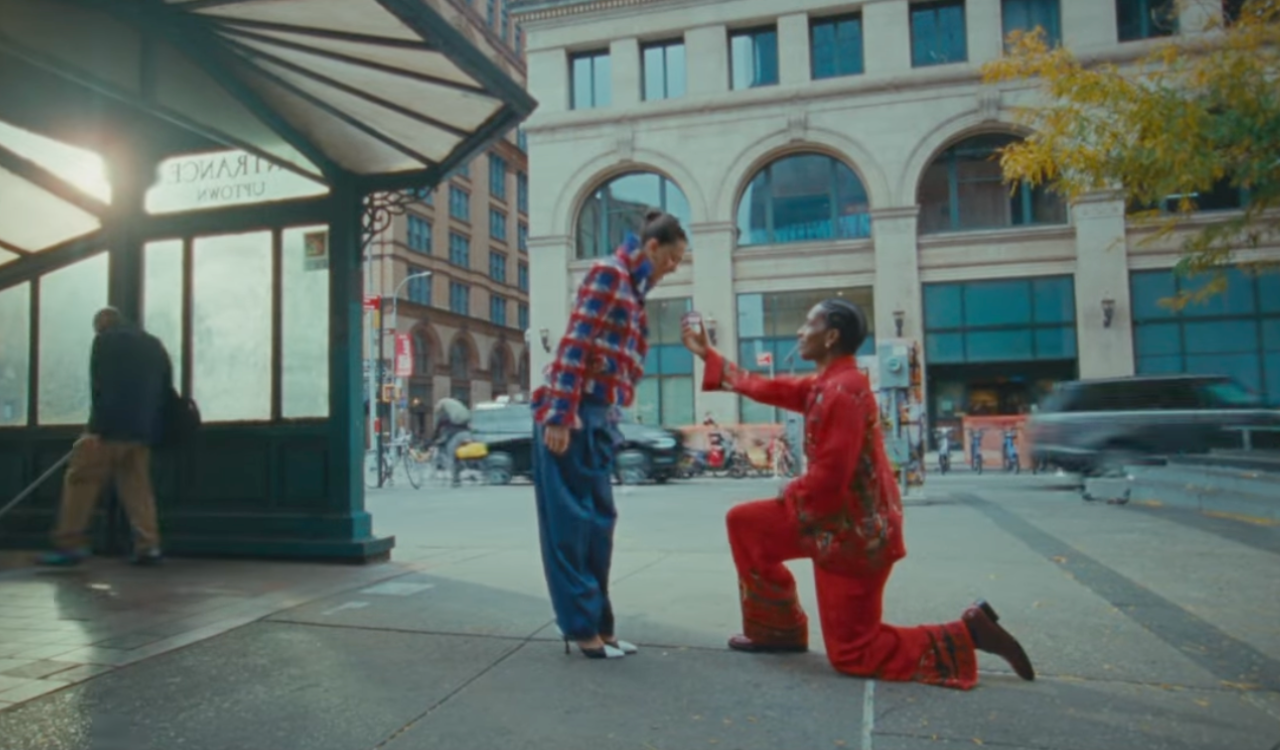
Chanel’s teaser for its Métiers d’Art 2026 show is signature Michel Gondry—fanciful and completely devoid of dialogue film. The brand tapped Eternal Sunshine of the Spotless Mind director Gondry and brand ambassadors A$AP Rocky, and Margaret Qualley for the charming mini film. Gondry is a master of technique including varied film speeds and surrealism juxtaposed with imagination to entertain and intrigue. The show’s title, translated from French, means “the art of doing it well,” and the film lives up to its name. Chanel (and the New York subway) stars as a perfectly normal wardrobe staple for next gens in a perfectly normal, relatable style in a joyful cinematic moment.
Signaling Safety and Shared Interests
The personalization trend isn’t just about overstimulated next gens trying to differentiate themselves from the herd. While some have called Gen Z’s hyper-personal style “virtue signalling,” it’s more about signalling belonging within their respective communities, on all sides of the political spectrum. In this contentious era, it’s become more important for people with similar leanings to identify one another, safely from afar. Many next gens care more about proclaiming who they are, whom they love, and what they believe in more than conforming to a gendered attractiveness standard. That’s why we’re seeing baggy, sometimes comedic silhouettes like the Alladinesque “balloon pant” and the camo pant of the early 90s come back into the cultural zeitgeist.
Don’t hate us, but the millennial statement tee is also back, buoyed by nostalgia for the early aughts and a bifurcated political climate. Consumers are walking billboards for their causes, interests, and senses of humor. But next gens are taking statement apparel to the next level, wearing statement bags, hats, jewelry, heck even nail art.
Affordable Luxury
Luxury brands ignore Gen Z’s financial reality at their own peril. Bank of America reports that Gen Z and millennial’s spend only rose by .05 percent YoY in August of 2025, compared to 2.4 percent for boomers. Even well-off Gen Zs don’t have the once-promising career prospects as their millennial predecessors, and let’s be real, it’s hard to justify buying a $4,500 Murikami bag with Afterpay if you have no prospect of enough money coming in. The result is a return to affordable, aspirational luxury brands, particularly those like Ralph Lauren and Coach, for staples.
Coach and Ralph Lauren received the top 10 placements on the Lyst index. Coach’s saw its total revenue rise 9.9 percent to about $5.6 billion for the 12 months ended in June. Ralph Lauren saw revenue rise 6.8 percent in the 12 months ended in March. Ralph Lauren’s cable-knit quarter zip sweater was actually the hottest luxury item last quarter. Next gen luxury consumers are also more interested in little-known luxury brands, investing in burgeoning brands like five-year-old Tokyo menswear brand A.PRESSE that focus on craftsmanship over peacocking wealth in recognizable ways that recognizable products aren’t.
In selling luxury to next gens, a recognizable product isn’t enough. For highly individuated Gen Z consumers, overhyped brand awareness can read as ubiquity and work against you. Quality craftsmanship isn’t a given for luxury brands anymore; customers need to see evidence that they’re getting genuine quality for their investment. And artistic inspiration, as we see from Louis Vuitton and Chanel, might just be the key to push prospective luxury customers into making their first purchase.