

Editor’s note: This report was written prior to the conflict in the Mideast and in no way is related to the current situation in Saudi Arabia as a target of economic disruption.
Entertainment Hub
Every retail trade show now has a Saudi presence. It is on a mission to prove its relevancy and profitability for brands outside the Kingdom of Saudi Arabia (KSA). Customers of these brands? Local, regional and international. Growth in regional tourism has benefited the Kingdom, which has not traditionally been considered a bucket-list destination. In 2025, Saudi Arabia welcomed a record 122 million domestic and inbound visitors, an increase of 5 percent versus 2024. But the Kingdom has bigger dreams.
The ambitions of Saudi Vision 2030 are gaining traction as the country works to diversify its economy. Saudi Arabia has positioned itself as both a regional and global entertainment hub, hosting mega-events ranging from Formula 1 and MDLBEAST Soundstorm to the FIFA World Cup in 2034. According to Taqua Malik, Founder & CEO at Freedomvisory Ltd, “Saudi Arabia is no longer an emerging market story, it is a scale-and-influence market where consumer sophistication, cultural confidence, and national transformation are converging at pace.”
Why should luxury brands expand their footprint into Saudi Arabia? It’s no longer an “emerging market” story; it is a scale-and-influence market where consumer sophistication, cultural confidence, and national transformation are converging at pace. For luxury, this is a chance to build enduring relevance with a young, discerning audience in a country shaping the region’s next chapter in culture, entertainment, tourism, and retail.
Tourism Retail
Anyone with a sweet tooth knows that Dubai chocolate has an unmistakable taste. This global culinary phenomenon is yet another reason to visit the Middle East. Dubai is already one of the world’s most popular tourist destinations and is reportedly the most popular city on TikTok. In other words, Dubai is a hotspot.
The success of Dubai Mall is a blueprint for why luxury retailers are chasing tourist spending. According to Chalhoub Group, personal luxury sales across the Gulf rose 6 percent to $12.8 billion in 2024 and are projected to reach $15 billion by 2027. This is arguably a much-needed boost to the bottom line of both waxing and waning luxury brands. Prada, for example, reported a 21 percent increase in revenue in the Middle East for Q3 2025.
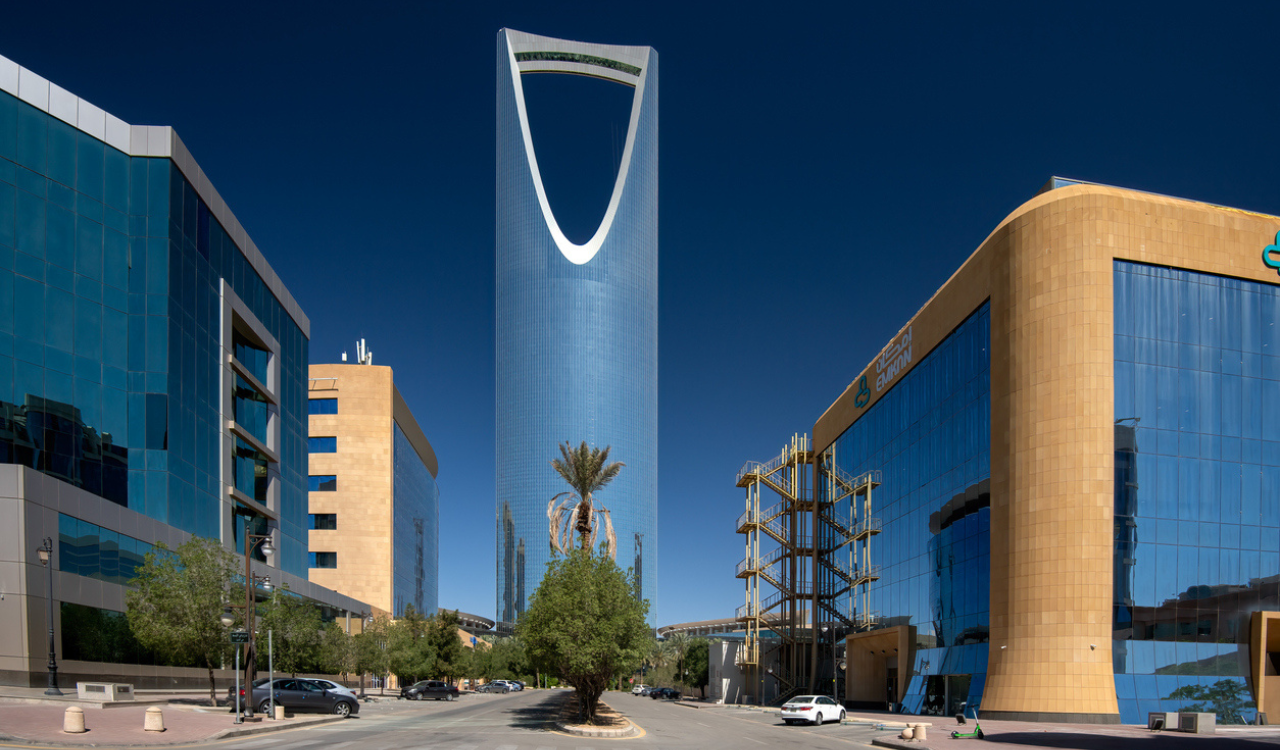
Malls in the region remain powerful tourist magnets. The recent opening of Solitaire Mall in Riyadh has attracted a mix of lifestyle and luxury brands, from AAPE to Zegna. Retail investment is set to accelerate further. Knight Frank estimates that Riyadh will add 2.3 million square meters of retail space by 2030, including flagship developments such as the Mall of Saudi.
While tourist spending is estimated to account for approximately 50 to 60 percent of luxury sales in the Middle East, domestic demand will be pivotal to future growth. An expanding base of ultra-affluent consumers will have even greater spending power. According to the UBS Global Wealth Report 2025, Saudi Arabia leads the region with nearly 340,000 millionaires and is forecast to rise to 480,000 by 2029. This trend is cascading down the income pyramid. McKinsey & Co. projects that the number of households earning more than $250,000 annually will double between 2025 and 2050.
Next Gen Dominance
Saudi Arabia stands out as a youth-driven consumption market, with 63 percent of its population under the age of 30. It is a demographic dynamic that luxury brands can no longer afford to ignore. Dolce & Gabbana’s flagship store in Diriyah, which includes the DG Caffè, is now one of the brand’s largest locations globally.
The true game changer, however, is the rapid transformation of the economy. Women now account for more than one-third of Saudi Arabia’s workforce and over 45 percent of new entrepreneurs. This shift has empowered women to express personal identity and style in increasingly visible ways. According to Chalhoub Group research, Saudi women are the most engaged consumers of makeup and fragrance in the region. As Taqua Malik notes, “For luxury, this is a chance to build enduring relevance with a young, discerning audience in a country shaping the region’s next chapter in culture, entertainment, tourism, and retail.”
Cultural Relevance
Success in Saudi Arabia will be determined not only by a brand’s retail footprint, but also by its ability to embrace cultural relevance. According to The Future Laboratory, more than three-quarters (77 percent) of respondents believe luxury brands should offer localized collections or seasonal exclusives. For example, Brunello Cucinelli’s abaya capsule and Loro Piana’s Ramadan collection celebrate and respect local cultural identity.
Cultural relevance also extends beyond product into service and engagement. Discretion and intimacy are central to the luxury experience. Loro Piana’s Riyadh boutique, for example, features a VIC room, a private, appointment-only space. Malik observes, “The Saudi luxury consumer is values-led and socially attuned: they invest in quality, heritage, and prestige, but they also look for meaning, local resonance, and a brand’s ability to show respect through detail.”
For retailers, digital strategy must be equally culturally fluent. More than 90 percent of young Saudis actively use Snapchat, and high engagement combined with strong trust in peer networks makes the platform a vital touchpoint for luxury brands. Brands such as Givenchy were part of Snapchat’s 2025 AR Ramadan Mall. Malik adds that Saudis are “digitally fluent and globally aware, yet deeply proud of identity, rewarding brands that understand the nuance of Saudi social codes, family dynamics, and occasion-driven dressing.”
Saudi Arabia is still widely perceived as culturally conservative, but it is undergoing a shift not only in what consumers buy, but also in where they buy it. According to PwC, Saudi consumers make approximately 40 to 50 percent of their luxury purchases abroad. As luxury brands expand their physical presence within the Kingdom, spending will move closer to home.
Luxury brands can enter the Saudi market through multiple avenues. An investment license is primarily required when a brand intends to operate through its own Saudi entity, but it’s not the only route to market. Many luxury houses partner with regional operators such as the Chalhoub Group to navigate market entry, from securing prime retail locations to regulatory compliance and logistics. As Malik notes, “Partnering early can be an effective way to move quickly and de-risk rollout.” For example, Missoni recently opened its first store in Riyadh in partnership with Al Tayer Insignia.
The opportunity is significant. Riyadh offers luxury brand coverage of 65 percent, compared with 90 percent in Dubai. The viral success of Dubai chocolate is a reminder that the region’s vitality is deeply rooted in sensory pleasure and experience. Luxury has a natural resonance in Saudi Arabia, and according to Malik, the Kingdom “is building its own gravitational center, and luxury brands that approach it on its own terms will be best positioned to earn both trust and longevity.” There has never been a better moment for luxury brands to expand their horizons.