
Retailers have a problem. Forget being worried about inventories, supply chain, labor costs, and your ad budget. You’ve got a much bigger problem: Your customers don’t believe you for one minute when it comes to your pricing, and they’d trade you in for a flea market purchase in two minutes if they could. The love-hate relationship between retailers and their shoppers is not exactly something new; there’s always been a level of skepticism out there that retailers weren’t playing fair with their pricing. That distrust only gets more pronounced the closer it comes to the holiday selling season when sales, promotions, and special events run rampant all over retail-land.
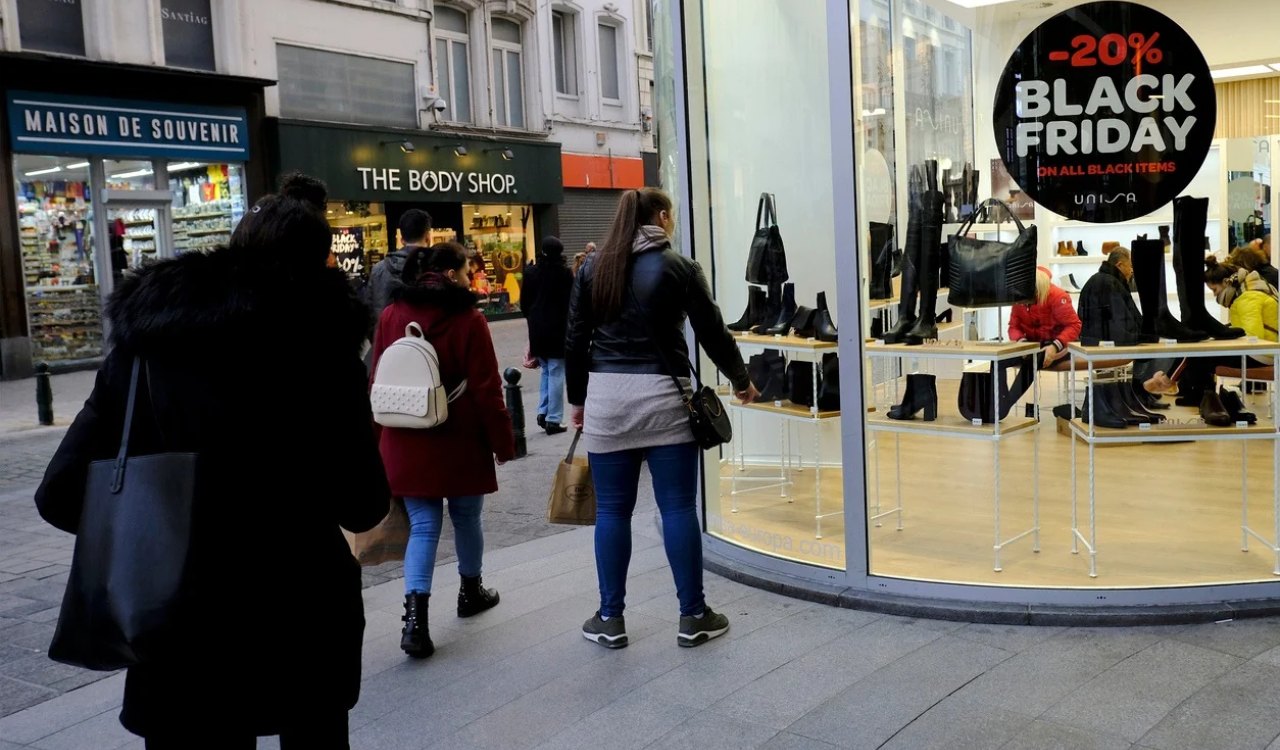
How are consumers feeling about Black Friday? And the answer is: A whopping 85 percent of consumers suspect retailers of manipulating Black Friday prices.
John Doe Tweet
Let the Games Begin
A new survey really puts trust on the table in terms most people in the business never hoped to hear. Omni Calculator, an online research company, found that 85 percent of U.S. adult consumers “suspect” retailers of screwing around with Black Friday prices. That includes nearly 60 percent who believe retailers raise prices before the sale event and then lower them back to their previous prices. Another 54 percent believe retailers never actually sold an item at the “was” price, and more than half think “low stock” claims are total crap.
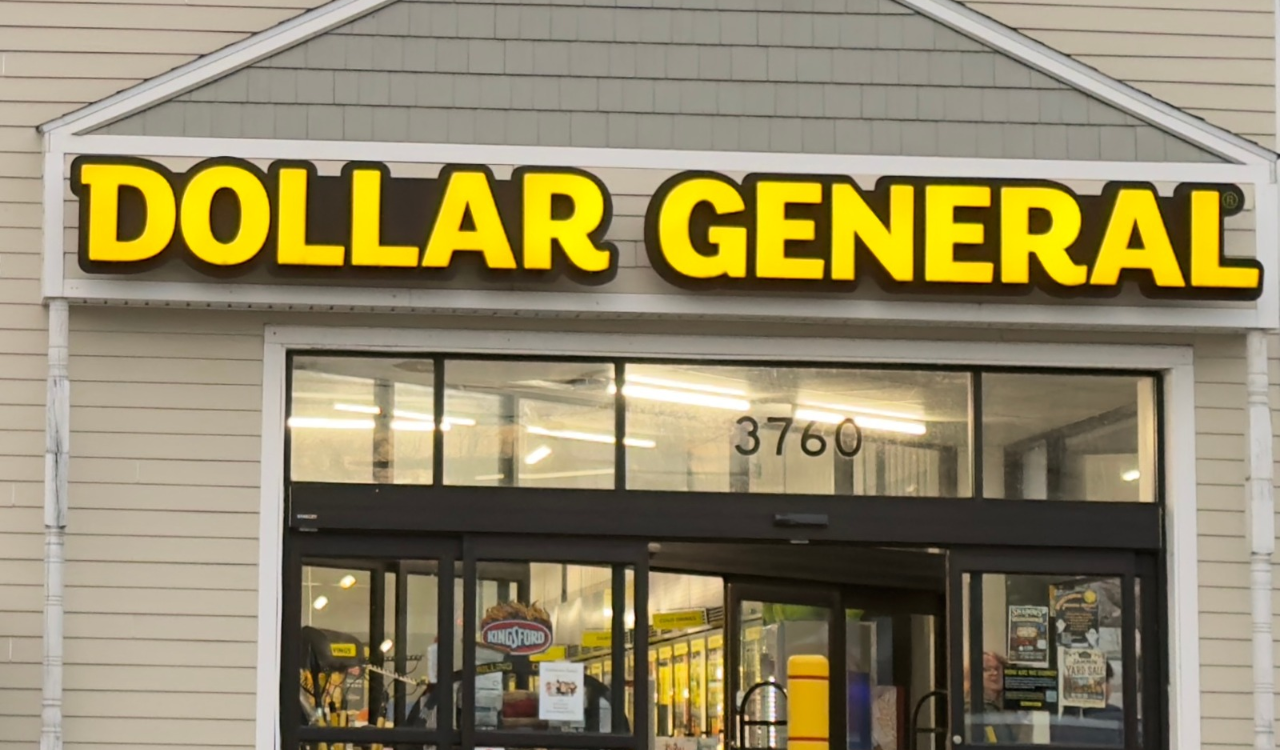
Hey, this is huge. When more than three-quarters of your potential customer base thinks you’re full of it and not playing straight, that is an enormous problem. But it’s not like retailers haven’t brought this plague onto themselves. Going back years—decades, maybe centuries—stores have been playing around with sales promotions that beg for credibility. The latest iteration of countless couponing, three-day, one-day sales, and events (whatever they are) stretches back forever. More recently, it has been embraced by players like Amazon and other online sellers with dynamic pricing. Even Walmart, home of “everyday low prices,” is running more sales than ever, including three big ones in an upcoming 30-day period. And the dollar stores, which are supposed to keep things above board with ridiculous pricing to begin with, have not been immune. Dollar General just agreed to a $1.9 million payout to shoppers in New York State for overcharging as much as 39 percent.
Well, let’s cut the retailers some slack. When they have tried to have real (transparent) pricing integrity, it’s been pretty much a disaster. Go ask Ron Johnson and his stint running JCPenney (into the ground?) when it lost a quarter of its revenues in 18 months by eliminating sales and promotions. The shopper wants a deal even if they don’t always believe it is one.
AI Angst
All the current conversation about consumers freaking out over AI-driven pricing that is suspected of charging different prices to different customers is only the latest twist in this ongoing saga. A recent Wall Street Journal article on the subject used the word “spooking” to describe the situation. Translation? Retailers are using “algorithmic price-fixing” to screw around with different prices for different folks. Don’t you remember it wasn’t too long ago when most retailing executives couldn’t spell algorithm, much less know what it meant? That’s spooky in a different way.
Big national chains from Walmart and Kroger to McDonald’s have all denied any wrongdoing, saying those digital price tags on shelves or menu boards are just a more efficient way of providing information, not a tool to discriminate against some customers.
Consumers, bless their hearts, aren’t buying any of this. With prices going up like crazy recently, shoppers look past tariffs, raw material costs, presidential politics, and the cost of diesel and truly believe the retailers are just not being honest.
The Best Policy?
Honesty is what retailers should be practicing. But it’s just not that simple; the RonJon example stands. That said, the retailing industry is in deep trouble with public opinion, and it can’t go on indefinitely. Somewhere along the line, somebody is going to come up with a policy that the consumer believes in, and they are going to come out of this the winner.
Walmart is the closest to this standard, but it seems to be moving further and further away from its original Mr. Sam foundation. Off-pricers would seem to be a better risk, but their pricing strategies have more holes than Albert Hall…if you remember your Beatles “Day In the Life” trivia. And let’s not even talk about department stores, most online sellers of any scale, and specialty retailers with their pricing transparency the opacity of lava.
Hey Retail Executive, your customer thinks you’re a crook. And this ain’t going to blow over anytime soon. What are you going to do about it?