


Gen Z is spending 20 percent more on nonessentials than a year ago. Unfortunately for Chipotle, they aren’t splurging on their once-popular food brands and culinary memes. Unlike their millennial predecessors who spent on memorable experiences––à la our alleged obsession with avocado toast––Gen Z is spending to build their personal brands on social channels. Gen Z looks at social media as a resume, and who can blame them? With 86.1 percent of HR professionals checking out candidates’ social media presence before hiring, young job seekers have to invest in more than just an interview outfit.
The old adage of “fake it ‘til you make it” defines how next gens curate their images on social media. To aid and abet, young people are investing in highly considered luxury purchases to help them achieve their professional goals by visualizing the life they want to lead, or the person they want to become, on digital channels. Let’s look at what they’re buying and the ethos behind their high-ticket purchases.
Why is there a spike in next gen luxury purchasing? And the answer is: Nonessentials are essential to social media profiles as resume builders.
A Digital Footprint Is No Longer Optional
Gen Z has constant online scrutiny embedded into their DNA. Their purchasing behavior can’t be separated from the economic uncertainty in which they’re coming of age, which is punctuated by career stagnation and a lack of mentorship. College students worry about being replaced by AI before they even begin their careers, and failure to launch is now par for the course. AI is also running most recruitment processes, and, for many job seekers, social media is the only realm where they can curate and showcase their personalities to prospective employers. But building an internet profile that employers and AI deem hirable isn’t simple, either.
In this politically contentious era, it’s challenging to navigate the intricacies of building a universally acceptable online presence. You may think that next gens could just delete their social media profiles and be done with it, but you’d be wrong: Nearly half (47 percent) of employers say that when candidates have no social media presence, or hide their social media presence it’s a red flag. A digital footprint in its entirety factors into whether they get their dream job.
Investing through the Lens of Personal Brand
We’re watching those millennial darlings falter. DTC brands that defined the retail landscape just a decade ago––Rent the Runway, Allbirds, Casper, and The Art of Shaving, etc.––are shuttering locations and struggling to stay afloat. Healthy convenience food options like Sweetgreens are also feeling the crunch, as next gens aren’t spending on mid-price point eateries. Next gens scoff at the curated food pics that were popular with millennials when we were in our early 20s.
Gen Z is spending 20 percent more on nonessentials than they were last year at a pace that’s nearly 15 percentage points higher than the average for boomers (61 to 79 percent) and similar to Gen X (46 to 60 percent). Which brings up the question, “Where is Generation Z actually spending their money?” As their social media profiles function like supplementary resumes, they’re spending to build their personal brands online. But, before any boomers hop on to deride next gens for vanity or gaming the system, we should note that next gens aren’t spending out of hubris.
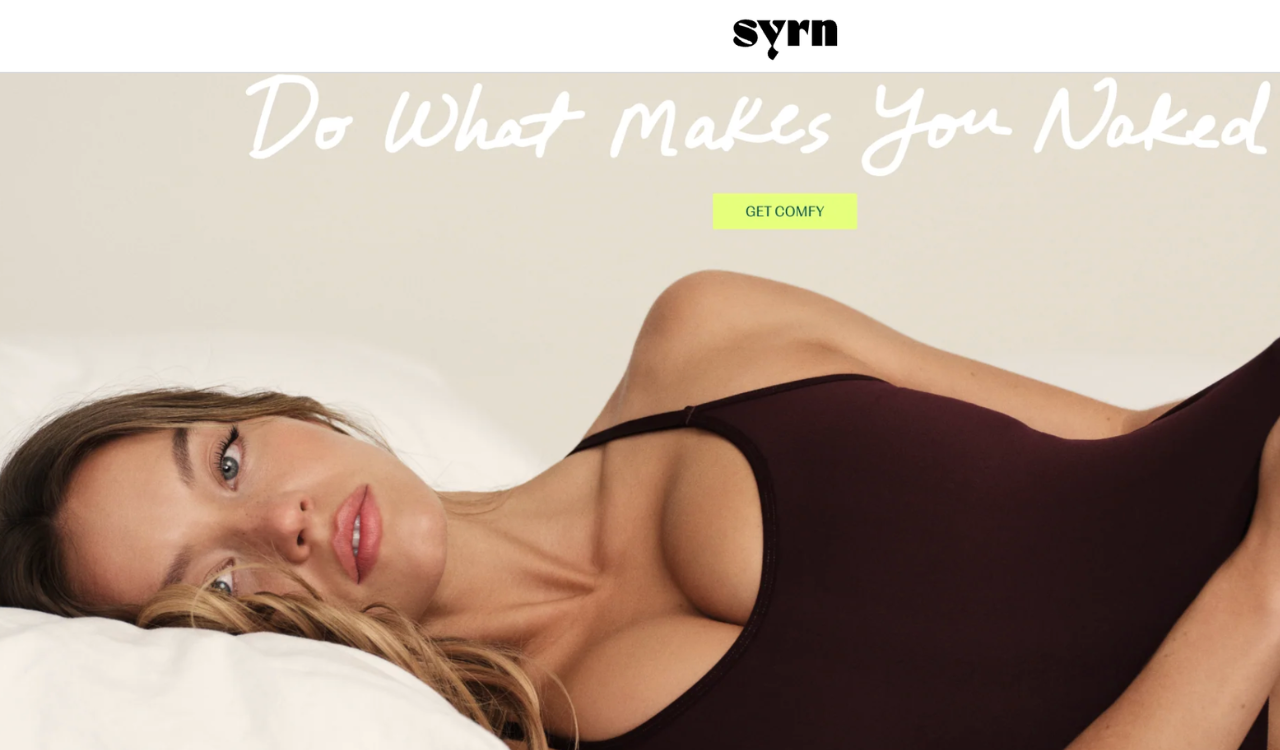
Most next gens don’t think they’ll become influencers like Rebecca Ma. They’re watching individuals, brands, and social movements amass substantial followings and revel in the opportunities enabled by them. As the DTC brands they’ve never heard of are quietly pulled from department store shelves, next gens are watching apparel brands like Mango, FP Movement, and Skims get their start on social media and catch on like wildfire. They hope their burgeoning careers will experience similar growth if they curate the right image matched by talent and business intelligence.
Diverse Young Luxury Shoppers Redefine the Game
It’s true that certain categories are falling by the wayside, but next gens aren’t clinging to their wallets while living in their parents’ homes waiting for handouts. They’re spending on clothes, beauty products, and home furnishings to elevate their image. Luxury apparel brands are seeing an uptick in consumers’ intent to purchase among their existing consumers and high earners in general, for whom consumer confidence is on the rise despite global conflicts. That said, high-income consumers face a fallout from an international economic downturn. They once believed the financial crisis wouldn’t reach them personally, but that’s drastically changed in a shift that’s reached “historic proportions.” Morning Consult reports, “What we recorded starting December 27, 2025, was a 17.8-point decline in sentiment among consumers earning $100K or more—a magnitude we haven’t recorded since the early weeks of the pandemic—one that erased virtually all the gains this group had built across 2025, in roughly two weeks.”
But the fact that a next gen demographic is still spending like it’s the end times might surprise you: Luxury apparel shoppers are more likely to be non-white, young, and single than your average consumer with a six-figure income. In fact, many modern luxury consumers don’t earn six-figure incomes at all but are driven to luxury apparel by trend awareness and status-seeking. The younger the consumer, the more likely they are also driven to luxury purchases through TikTok and Snapchat. So, it makes sense that luxury fashion brands spanning from next gen favorite Jacquemus to legacy house OGs like Gucci and Dior are leveraging social media to build brand awareness.
The New Purchasing Ethos
It’s easy to look at a 20 percent spending hike and cry “frivolity,” but that ignores the reality next gens face in trying to start their careers without mentorship in a disruptive marketplace. Paid internships are harder to find and require more experience than ever. Now that AI is screening their resumes and HR is relegated to auditing Instagram profiles, it makes sense that they’re considering image-building purchases to share on social media as table stakes for professional success––be it a new rug to showcase on their story or a Fendi bag to clutch during interviews.
We’re witnessing a fundamental shift in the retail purchasing ethos: the death of the mid-tier/moderate brand and the ascension of the high investment digital asset. Next gens need to be digital assets themselves to compete in today’s chaotic professional landscape. So, judge not. . . unless you’re prepared to pay them a living wage.