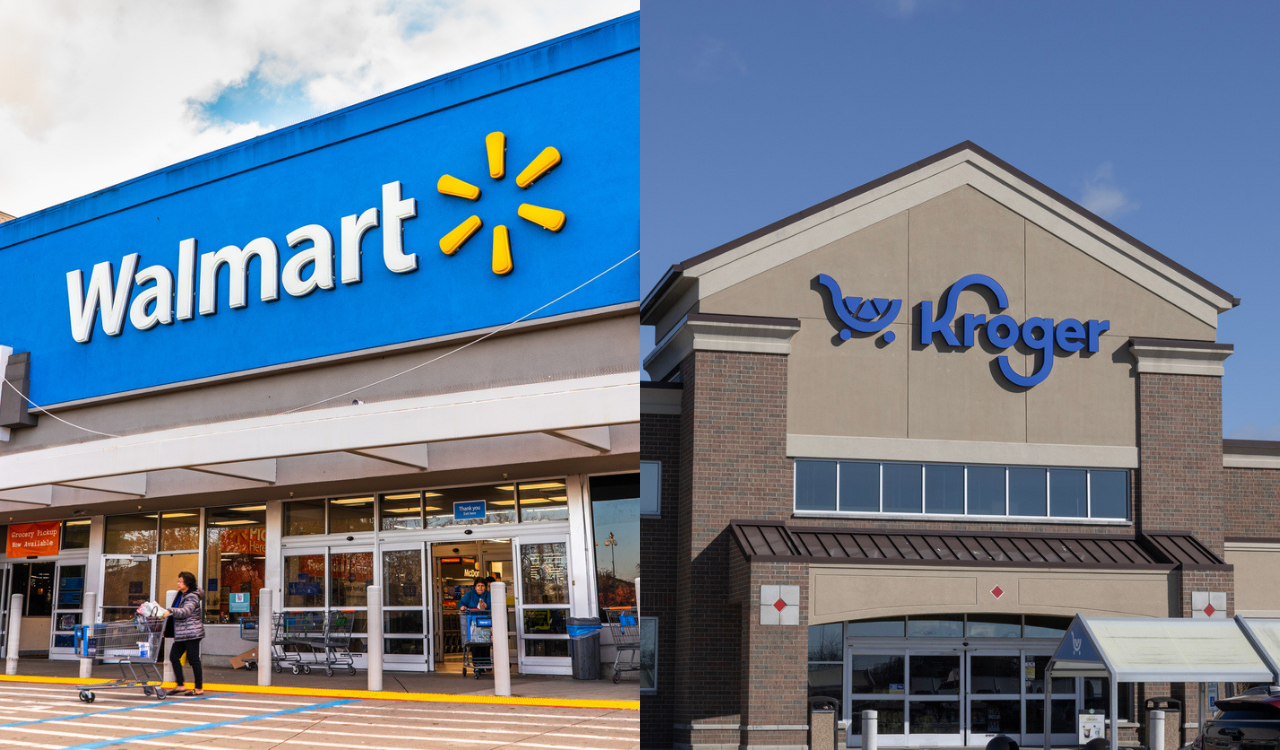

In the annals of competitive intelligence, few appointments in the history of American retail have been as strategically loaded as the one Kroger’s board made on February 9, 2026. That morning, the company announced that Greg Foran — the New Zealander who spent six years inside the Walmart machine, turned around its U.S. store operations, generated 20 consecutive quarters of comparable sales growth, and helped build the very digital and operational juggernaut that has tormented Kroger for years — is now Kroger’s CEO. For the C-suite, the Foran appointment is a signal worth taking seriously — not just for what it means for Kroger, but for what it means for the industry. For Kroger’s competitors, including Albertsons, Ahold Delhaize, Publix, H-E-B, and the regional chains that occupy the spaces between the giants, the CEO appointment is equally revealing and frightening.
How will the new CEO of Kroger change the brand’s trajectory? And the answer is: Greg Foran came from Walmart, so watch for the competition to heat up.
Sea Change in Grocery
For Kroger, the bet is that Foran, armed with the right playbook and a willingness to right-size the business, can do what the $25‑billion Albertsons deal was supposed to do. For Walmart, it’s a wake‑up call: The person who knows where the bodies are buried in Bentonville now runs their most credible supermarket rival. The rest of the grocery industry is about to compete in a market dominated by the rematch between a revitalized Kroger and the world’s largest retailer.
This is not a routine succession story. Rodney McMullen spent over four decades climbing the ranks and building Kroger, only to exit abruptly in March 2025 under a cloud, removed following a board investigation into personal conduct deemed inconsistent with company policy. Interim CEO Ron Sargent, a former Staples chairman with no grocery DNA, kept the wheels on for nearly a year while the board searched for a radical change. What they landed on is unconventional: Foran is the first outside CEO in the company’s history.
Wall Street rewarded the bold move immediately. Kroger shares shot up as much as 8 percent on the announcement. Investors were applauding a competent executive as well as evaluating the possibility that Kroger, strategically adrift after years of swinging for an Albertsons merger that never happened, might finally have the leader it needs to compete as a formidable force in food retail.
Kroger’s Broken Merger Dream
Let’s take a sidestep to address the elephant that never made it into the room: Kroger’s failed attempt to acquire Albertsons. That deal was supposed to be the answer to competing with Walmart and Amazon: Scale up, consolidate banners, extract synergies, and use the combined buying power and data to fund sharper pricing and more investment in digital.
But the regulators saw it differently. The FTC, supported by federal and state courts, argued that the merger would reduce competition, raise prices, and hurt workers in dozens of markets where Kroger and Albertsons overlapped. After months of legal back‑and‑forth and mounting political pressure, the transaction was blocked. Albertsons sued Kroger, claiming it failed to offer adequate divestitures. The litigation remains unresolved, adding legal overhang and an unresolved risk to Kroger’s ultimate turnaround.
For Kroger, the FTC decision was more than just losing a case; it drove a nail in the coffin. The company lost years of management distraction and credibility by pursuing a scale‑driven deal only to be rejected by regulators. In the meantime, Walmart continued to refine its price perception, invest in stores and private label, and expand its omnichannel reach, while deep-pocketed Amazon kept experimenting with formats and fulfillment models.
Going it alone means Kroger is competing against Walmart, which now generates 72 percent grocery market penetration among U.S. households. It’s noteworthy that Walmart serves more than 190 million Americans each month. Kroger now has to compete with its rival Walmart without the scale it sought, challenged to survive in an environment of tariffs, food inflation, weakened consumer spending, and a customer base increasingly more comfortable buying groceries from Amazon, Costco, Aldi, and a dozen other formats that didn’t exist at scale a few years ago.
Kroger’s Playbook: Back to the Box, Back to the Associate
Greg Foran is not a visionary; he is all about operations and focuses on the store experience and empowering employees. That’s what he did at Walmart U.S., where he focused relentlessly on store standards, in‑stocks, and associate engagement to stabilize traffic and improve the shopper experience. It’s telling that in his first outings with Kroger investors, Foran keeps emphasizing three themes: price perception, store experience, and using the existing box to drive ecommerce and retail media economics.
- He says Kroger has to “grow sales faster,” and links that directly to giving shoppers a compelling reason to show up: value, products, experience. He wants to expand the private label by 1,100+ new products in 2026.
- He talks about “competitive pricing with quality fresh products and efficient store management” as the core trifecta for traffic and share.
And he stresses that this is not about inventing a brand‑new strategy, but executing
The New Walmart–Kroger Battle
Foran seems to be sharpening Kroger’s focus and preparing for a battle with his former employer. He knows how Walmart thinks about pricing, and not just the advertised rollbacks, but the underlying logic of how the company uses its supplier relationships, private label architecture, and supply chain integration to maintain a structural price advantage. He knows where Walmart is vulnerable: in fresh food, the shopping experience, and the depth of its assortment in categories where specialty and natural retailers have built loyalty. He also knows what Walmart’s operations look like from the inside, which means he knows the difference between where Walmart is genuinely strong and where it appears to be strong. So, what will an upcoming fight look like?
- Price perception vs. price wars. Walmart will still win most head‑to‑head price surveys; its scale advantage is not going away. At Walmart, Foran worked tirelessly to restore the feeling that customers could trust they were getting the best deal, store after store. Kroger’s new growth priorities put “lock in on price perception” at the top of the list. That means sharper, more visible everyday prices in key categories, smarter promotions, and disciplined private‑label value ladders that give shoppers a reason to stay in the store rather than walk across the street. For Walmart, this raises the bar. Its historical price gap over traditional grocers will have to be defended in local markets where Kroger, under Foran, is willing to invest margin to reset the narrative on value.
- Stores as the center of gravity. Foran is crystal clear: Kroger’s future is not about chasing Amazon’s tech, it’s about using Kroger’s stores more intelligently. Kroger’s digital business has already reached about $16 billion and logged seven consecutive quarters of double‑digit ecommerce growth. The company is now leaning into store‑fulfilled pickup and delivery to improve profitability and reinforce the role of the physical box as the hub of the ecosystem.
That aligns almost perfectly with the lessons Walmart learned the hard way. Rather than bet the farm on flashy, centralized robotics, Walmart built its omnichannel model around existing stores, layering in automation where it truly paid back. Kroger, having overreached with Ocado, is now racing to apply the same logic.
The result will be a more direct, apples‑to‑apples competition between two omnichannel grocers executing variations of the same play: store as micro‑fulfillment center, media node, the beating heart of the brand, and a place where people want to shop!
- The human factor: wages, morale, and execution. Foran built his reputation by investing in frontline associates and using them as a competitive weapon rather than a cost center. He understands that cleaner stores, better in‑stocks, and faster recovery after peak periods require enough people, properly trained, with incentives that make sense.
Both Walmart and Kroger have already increased wages in recent years, but a Foran‑led Kroger is likely to push harder on the connection between labor investment and market share. Expect him to test higher staffing, better training, and clearer career paths in key markets and to tolerate some short‑term margin pressure if those moves drive traffic and loyalty.
For Walmart, this creates risk. If Kroger can narrow the gap on wages and associate engagement in overlapping markets, Walmart will have to respond or risk a slow erosion of store experience leadership.
What All This Means for Everyone Else in Grocery
If you’re running a regional chain, a mass merchant with a growing grocery business, or even a dollar format leaning more heavily into food, you are not a bystander here. The Walmart‑Kroger rematch will change the game for everyone.
- The floor on labor costs is going up. Higher wages and more investment in the front line at Kroger and Walmart will create a new baseline for store labor expectations across food retail. Regional players already struggling to hire and retain talent will have to pay more and think harder about how to use that labor productively or risk being the “third‑best” experience in markets where Walmart and Kroger are both present.
- Owning less, orchestrating more. Kroger’s clinic closures and Ocado retrenchment are the strongest signal yet that “owning everything” is no longer the path to success. You don’t have to run your own robotics network or in‑store clinics to be a credible modern food retailer. You do have to know what you are uniquely good at, and for today’s grocery retailers, that should be: fresh, local, prepared foods, personalization, loyalty, and community engagement.
- Regulators as permanent stakeholders. The blocked Kroger–Albertsons deal is a clear signal that the era of “solve it with a megamerger” is over in grocery. Any large‑scale consolidation that meaningfully reduces competition in local markets will face intense scrutiny and a high likelihood of being stopped, even in the current administration. In fact, I predict we will see just the opposite, where large grocery chains will close stores and even divest entire banners.
That shifts the growth conversation from M&A to organic share gain, format innovation, and adjacencies. It also elevates the importance of compliance, labor relations, and community impact. You can’t simply promise regulators a few hundred divested stores, as Kroger-Albertsons did, and expect to move on. You have to demonstrate that your strategy increases, rather than constrains, consumer choice.
- For CPG manufacturers. A Kroger focused on operational discipline and sales growth is a Kroger that will be a more demanding trading partner. Expect sharper negotiations on slotting, more scrutiny of promotional efficiency, and a harder look at which national brands are earning their shelf space versus which ones are coasting on historical relationships. This is what Walmart did under Foran, and there is no reason to believe he will approach the supplier relationship differently at Kroger.
The Big Picture for Grocery: Execution Is the New Mantra
The grocery industry has spent three years watching Kroger struggle through a failed merger, a leadership crisis, a botched automation strategy, and the slow erosion of its competitive position relative to Walmart. What grocery is watching now is something different: a company that has made a clear-eyed bet that the best way to compete with Walmart is to hire the person who knows Walmart best.
This is the most interesting hire in food retail in a long time. The industry should take note and start planning.