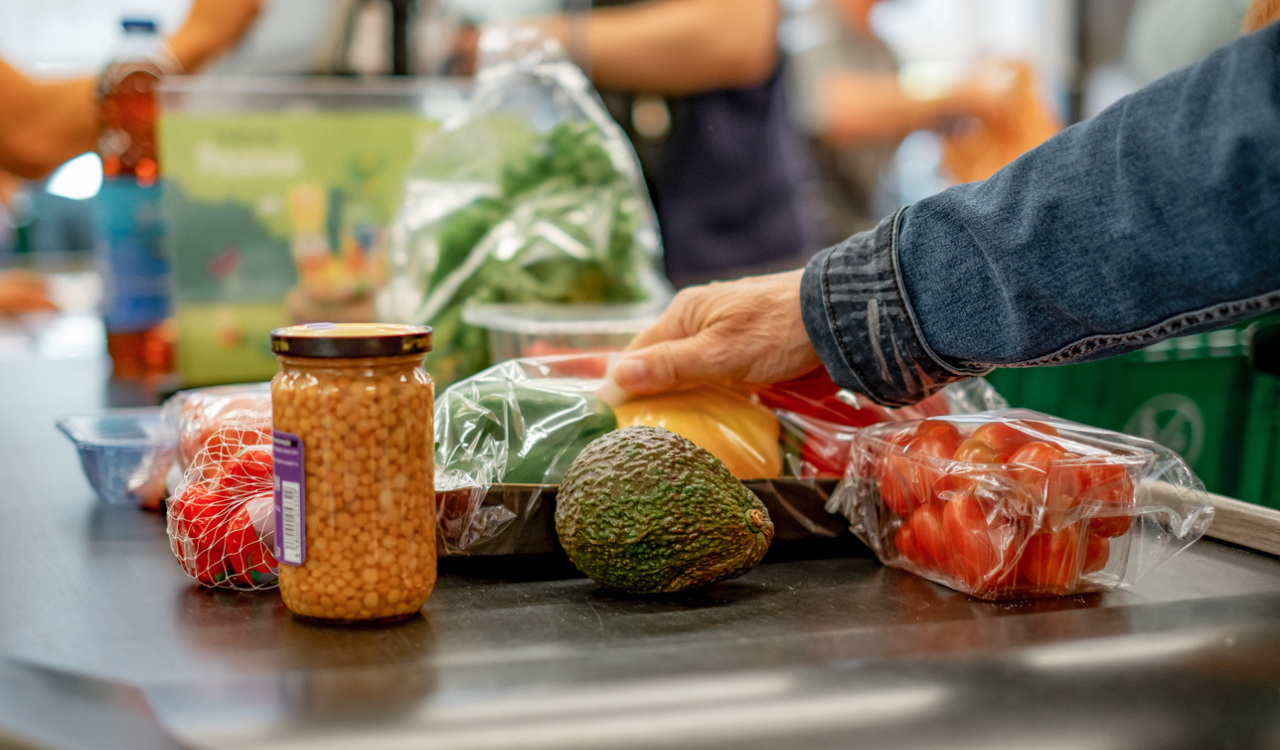


The farm-to-table movement revolutionized the restaurant industry. The now-well-established trend was propelled by consumers who wanted wholesome, locally grown food and were charmed by the storytelling. Restaurants, typically owned by celebrity chefs who celebrated where their food came from and why that mattered, were also able to command premium pricing—10 to 30 percent more than a conventional restaurant at the time.
The movement reflected how people were obsessed with what they ate. The unintended (okay, maybe intended) consequences revealed the opaque restaurant supply chain. What began as a counterculture trend, sparked more than 50 years ago by Alice Waters at Chez Panisse in Berkeley, CA, has become mainstream. Today, small farms now supply 35 percent of ingredients to U.S. restaurants, more than doubling 12 percent in 2020.
Is the farm-to-fashion movement influential? And the answer is: Patagonia and Eileen Fisher lead in regenerative sourcing, and the yak is a new entry in the premium market.
Farm-to-Table to Farm-to-Fashion
A similar trend is emerging in the fashion industry; consumers are as concerned about the clothing they wear as the food they eat. As more shoppers become aware of the devastating environmental impact, potential exploitative labor practices, and questionable origins of materials in the fashion industry supply chain, farm‑to‑fashion is emerging as a new value-creating and brand-differentiating business model.
Brands that can trace fibers back to farms, highlight regenerative agriculture, and show verifiable supply‑chain integrity are the new pioneers; differentiation also commands pricing power and a loyal customer base.
Environmental Necessity
Supply chain transparency and social and environmental responsibility have shifted from “nice to have” to a critical business necessity. The fashion industry is widely recognized as one of the world’s leading contributors to environmental pollution:
- Carbon emissions: The fashion industry is responsible for 10 percent of global carbon emissions, more than international flights and maritime shipping combined, according to the United Nations Environment Programme. And if things don’t change, its emissions could increase up to 50 percent by 2030.
- Water usage and pollution: Textile production consumes an estimated 79 billion cubic meters of water annually. Putting that into perspective, a single cotton shirt requires approximately 2,700 liters of water to produce—the amount one person drinks over 2.5 years. And 20 percent of global industrial water pollution comes from textile dyeing and treatment, putting toxic carcinogens and heavy metals, such as chromium, cadmium, lead, arsenic and mercury, into the water supply.
- Microplastic pollution: This is rapidly becoming one of the most pressing environmental challenges. Microplastics, which result from the breakdown of synthetic textiles, like polyester, nylon, and acrylics, during washing, are forever and end up in water supplies and the ocean. Some 35 percent of the ocean’s microplastics come from synthetic fabrics, with 11 million tons entering the ocean every year.
- Landfills: According to the Ellen MacArthur Foundation, the world produces over 92 million tons of textile waste annually. While the rapidly growing fashion resale market—expected to reach $367 billion globally by 2029 at a 10 percent CAGR, according to ThredUp—helps keep cast-off clothing out of landfills, it’s just a drop in the bucket compared to the nearly $1 trillion global fashion industry.
Greenwashing Agents
The inconvenient truths about the environmental impact of the fashion industry are often compromised by the all too common practice of ”greenwashing,” where products are represented as more environmentally responsible than they really are.
The Changing Markets Foundation found that some 60 percent of major fashion retailers’ green claims were misleading or unsubstantiated, based on the U.K. Competition and Markets Authority guidelines. So, it’s no surprise that only 20 percent of consumers believe a brand’s sustainability claims, according to a 2025 Sustainability Survey conducted by Blue Yonder among 5,000 U.S., U.K., France, Germany, Australia and New Zealand consumers.
Many brands wanting to get in on the farm-to-fashion trend have joined multi-stakeholder certification programs, such as Bbluesign, Cradle to Cradle (C2C), EU Ecolabel, OEKO-TEX and Textile Exchange’s Global Recycled Standard and Recycled Claim Standard, and other initiatives, such as the Ellen MacArthur Foundation (EMF), The Microfibre Consortium and ZDHC. By aligning with these groups, companies intend to broadcast that they take environmental responsibility seriously. However, the Changing Markets Foundation found gaping holes in what it termed “certification schemes” after a deep dive into the above groups’ programs.
The Foundation reported, “The existence of these schemes and the inherent lack of accountability within them are a key part of the greenwashing machinery of the modern fashion industry. Moreover, the level of influence exercised by fashion brands in these initiatives and the lack of any independent oversight, inevitably means that they end up promoting industry interests.”
Regenerative Farming Makes It Real
A growing number of brands are investing in regenerative farming practices that build up topsoil by restoring soil health through reduced tilling, and composting and saving water through rotational grazing and cover cropping. Fashion brands that invest in regenerative farming to supply the fibers used to make their clothing are building transparent supply chains from the ground up—literally. Rather than just making hollow sustainability claims, they put their money where their mouth is, producing higher-quality garments they can charge more for—and ultimately discouraging consumers from casting them off into landfills.
Saving the Planet, Sustaining People
By supporting regenerative farming, fashion brands can make a real difference in people’s lives, especially in emerging economies. Meet two innovators.
- Shokay
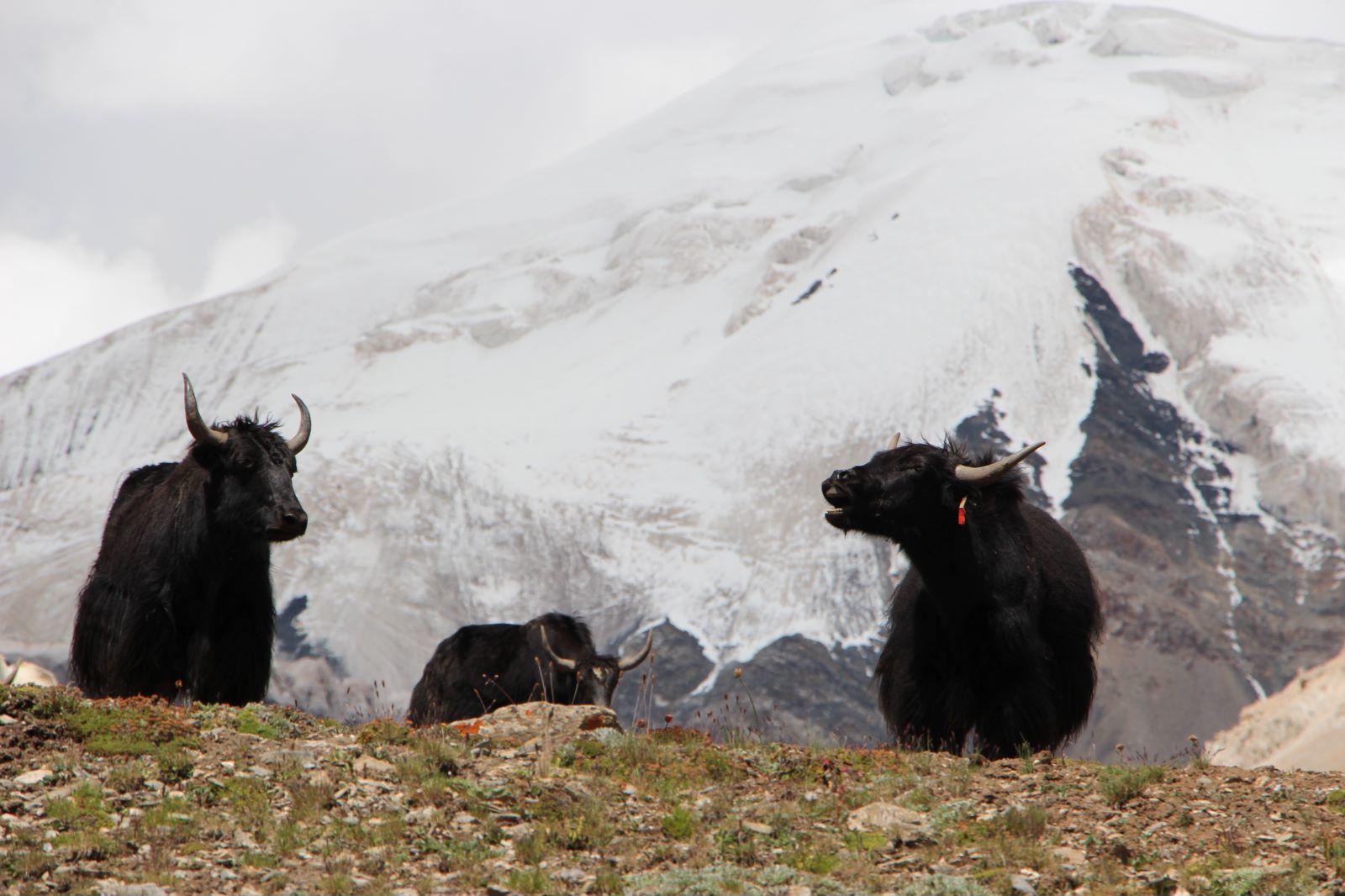
Shokay supports over 4,000 herder families living in the Tibetan Plateau who produce yak wool for its own knitwear brand. The wool also supplies yarn for the craft knitting market, and a growing number of brands are intrigued by yak wool’s unique properties. Yak is 30 percent warmer than wool and nearly twice as breathable as cashmere. Plus, it has the luxurious handfeel of cashmere, but costs about one-third less to produce, and yak herding is more sustainable for the environment than goat or sheep herding. Yak produce lower methane emissions, and their gentler grazing habits are less of a threat to grasslands and potential desertification.
Founded in 2007, Shokay—which means “Yak down” in Tibetan—is the brainchild of Carol Chyau, a Taiwanese native who holds a B.A. from The Wharton School and a Master of Public Administration from Harvard. Before graduating, she developed the business plan for Shokay, which won first place in a Harvard Business Plan Competition for developing a social impact business.
After graduating, she put the plan in motion, but it meant starting from scratch, both from the supply and demand sides. Finding manufacturing partners to turn the locally-produced fiber into yarn was a particular challenge. Compared to wool and cashmere, yak fiber is shorter and harder to spin into yarn that is strong enough to withstand modern manufacturing processes. She had to figuratively twist some arms before finding manufacturing partners who’d put the extra effort into producing yak yarn.
When Chyau started, yak fiber—even the concept of a sustainable social enterprise—was virtually unknown to American and European brands and consumers, Shokay’s primary markets. While she still has work to do to heighten awareness of yak, the fashion industry has caught up with the need to source materials from environmentally responsible, sustainability-focused producers that can provide traceability throughout the supply chain.
“Environmental sustainability has become hard-coded into business, unlike when I started,” she shared. “In the world of fashion, over 60 percent of the environmental impact comes from brands’ and designers’ material choice. So now there is real demand for traceable, sustainable fibers in the fashion industry. We have that, and yak is a fiber with scalable potential.”
She sees a long runway for yak in premium. “Luxury houses still consider cashmere as ‘true luxury,’” she said. “Yak is 30 percent cheaper than cashmere, so it is more affordable. Positioning us as premium allows us to generate enough volume to maximize jobs and the lives of people who work with us, versus luxury, which doesn’t drive as much volume.”
Besides her own Shokay fashion label, the company has worked with a number of native Chinese fashion labels as well as brands like Arket, Frank and Oak, Sweaty Betty, Bonobos, Anagram, H&M and COS.
The luxury market is not off the table, especially when brands feel the softness of brushed yak. Ralph Lauren showed interest in Chyua’s initial business plan, and Burberry has worked with Shokay. Most notably, in 2022, the Cartier Women’s Initiative recognized Chyau as one of the Top Three Most Impactful Businesses across its 15 years of supporting female entrepreneurs.
- SukkhaCitta
Another young entrepreneur, Denica Riadin-Flesch, is following a similar path, founding SukkhaCitta in Indonesia. Trained as an economist with degrees from elite universities, Riadin-Fleschin gave up her promising financial career to make a meaningful difference in people’s lives.
“Over time, I came to see that the real economy is not shaped in boardrooms, but by the invisible hands of women, by the quiet work of ecosystems, and by traditions passed down through generations on the verge of being forgotten. This realization led me to found SukkhaCitta, a movement to reimagine fashion as a force for healing,” she said.
She says she started her enterprise as a “catalyst for positive change in the community working directly with villages, not factories.” Her company regeneratively grows both cotton and plant dyes used in its clothing. Cotton is native to Indonesia, but growing indigo, a natural alternative to chemical fabric dyes produced with petrochemicals, was not possible because of the abundant tree cover—traditional indigo plants need full sunlight to prosper. Instead of cutting down trees, Riandi-Flesch introduced an indigo varietal that can flourish in the shade, and her sustainable, regenerative fashion business was born in 2016.
SukkhaCitta has partnered with 11 villages across four islands to provide a living wage to women and their families. It follows a completely integrated “farm-to-closet” model to grow, spin, weave, dye, cut, and stitch fabrics to produce clothing that it sells online, in its flagship store in Jakarta, and in boutiques in Singapore and New York. Unlike Shokay, it doesn’t provide fabric to other brands.
Sustainable Fashion Investment
By investing in a regenerative farm-to-fashion supply chain, brands elevate their value proposition in ways that are both socially and environmentally responsible. Loyal consumers buy what a brand makes as well as the story, values and meaning that stand behind the brand. The farm-to-fashion movement builds not only a more resilient, sustainable business model, but a more sustainable planet and more prosperous people living on it.