
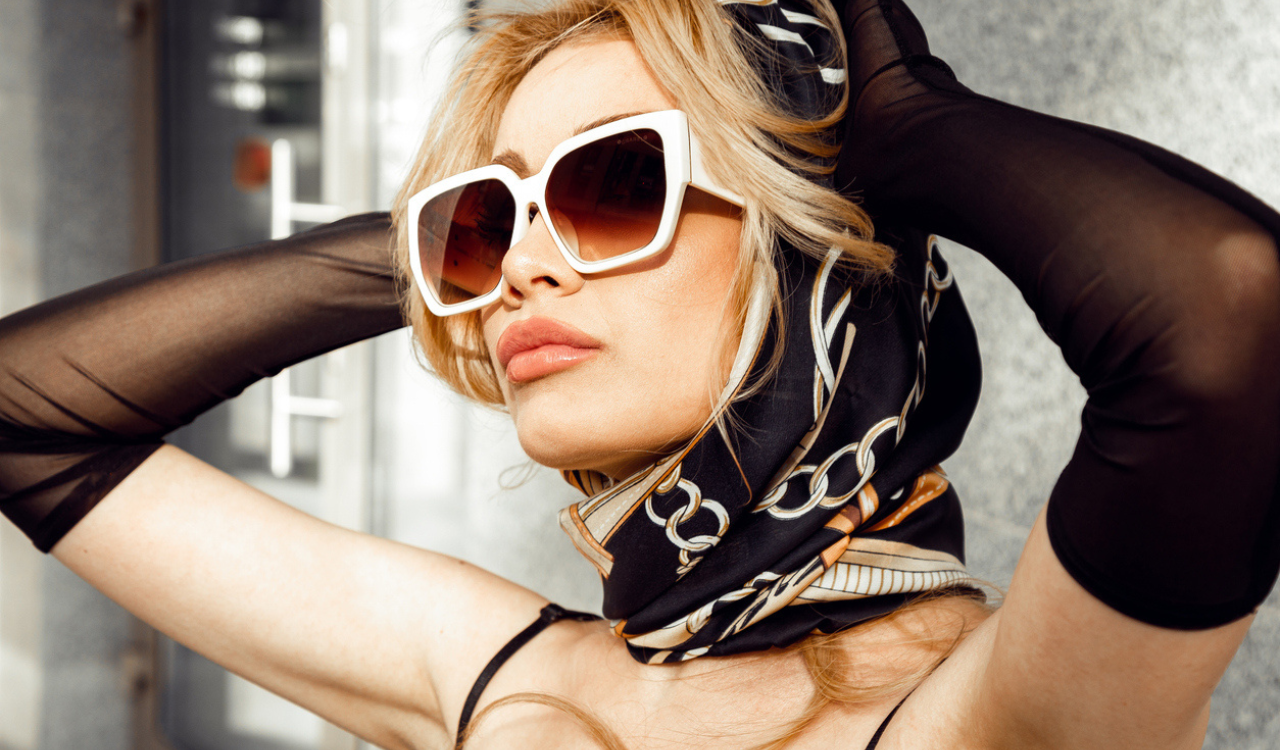

Why do the Kardashians always wear sunglasses? TikTok may have its own addictive answer, but celebrity influence has given luxury eyewear renewed life for aspirational customers. While the global market for personal luxury goods stagnated in 2025, eyewear continues to outperform other categories; Bain & Co. is projecting growth of 2 to 4 percent. And there are no signs of slowing.
Is luxury eyewear a growth opportunity? And the answer is: Eyewear outperforms other categories, projected to grow two to four percent, and design innovation no longer comes from a single creative vision; it is the result of an ongoing dialogue between design, data, and culture.
Licensing Leaps
Customers can now own a piece of the celebrity-driven luxury lifestyle as wannabe style setters, whether they wear prescription glasses or not. Licensing eyewear deals have made luxury logos accessible to an expanding base of consumers, many of whom are first-time luxury buyers. This business model continues to reap rewards. EssilorLuxottica, the world’s largest eyewear company, manages licenses for luxury brands including Giorgio Armani, Brunello Cucinelli, Burberry, Chanel, and Dolce & Gabbana. In Q3 2025, it reported its best quarterly performance ever, with revenue rising 11.7 percent to €6.9 billion. The consumer investment is significant, with luxury eyewear ranging from $202 for the A$AP Rocky Ray-Ban Wayfarer Puffer to $6,721 for the diamond edition.
The allure of the logo remains a critical decision point. According to the EY Luxury Client Index 2025, 42 percent of “prestige aspirational” luxury clients buy luxury fashion as a marker of status. That said, the global success of South Korean eyewear brand Gentle Monster is a reminder that for Gen Z, eyewear is less about status and more about self-expression as a statement of identity.
As luxury brands scale up eyewear operations, including launches like Victoria Beckham Eyewear with the Safilo Group, the landscape will only grow more crowded. This market demands agility as brands compete for consumers’ wallets and eyes amid unprecedented competition through social media exposure and expansive product choice.
Eyewear as a Proxy for Luxury
Accessories have historically been entry products for aspirational luxury customers, and eyewear is no exception. An impressive 71 percent of luxury clients are primarily driven by a desire to own high-quality products. Quality and provenance matter. Persol, for example, has been crafting sunglasses by hand since 1917 with artisans at its Lauriano plant in Turin, Italy, ensuring its Craftsmanship Campaign.
Sustainability gives luxury consumers the confidence to signal purpose. Nearly one-third (31 percent) of luxury clients rank sustainability among the top five factors influencing purchase decisions. Savvy eyewear brands merge sustainability with innovation. Balenciaga’s Blackout sunglasses (€1,200, made in Italy) use Eastman Acetate Renew, combining cellulose derived from wood pulp with recycled plastic that would otherwise end up in landfills.
Eyewear is also a visual extension of a brand’s DNA. Here’s where the ephemeral influence of emotion, identity and possibility play critical roles. Longchamp, for example, says its sunglasses “reveal the allure of the Longchamp Parisienne.” Maybe that’s true, but brands sell when they excite and surprise. According to Mor Margalit, Director of Brand Merchandising at GlassesUSA.com, “Design innovation in eyewear today no longer comes from a single creative vision. It is the result of an ongoing dialogue between design, data, and culture.”
Successful eyewear also rivals the versatility of today’s designer handbag collections. Gentle Monster is redefining the category through collaborations such as Tekken 8 and its Pocket Collection with Bratz, transforming culture and community into eyewear icons. Coach x GlassesUSA.com’s limited-edition Milky Pink Frame for 2026 embraces the concept of fusion fashion, which, according to Mor Margalit, is “recognizing that people don’t dress according to one fixed aesthetic. They blend moods, styles, and personal expression throughout their everyday lives.” For fashionistas (and the easily bored), multiple branded eyewear is the norm, similar to a closet full of handbags.
Celeb collabs are table stakes for luxury brands. Identifying eyewear-specific brand ambassadors creates emotional connections akin to those in beauty and fragrance. Orlando Bloom, for instance, is a brand ambassador for Porsche Design’s timepiece and eyewear collections.
Visionary Innovation
According to The State of Fashion 2026, smart eyewear is “poised for a breakout in 2026.” Despite Mark Zuckerberg’s infamous failed Meta Ray-Ban demo, consumer interest remains high, with waiting lists for AI-enabled glasses that take photos, record videos, make calls, play music, and access Meta’s AI assistant. Yet smart eyewear is not only about technology. BoF and McKinsey & Co. survey data show that style influences one-third of smart-glasses buyers. It’s a wake-up call and an opportunity for luxury brands to differentiate.
Eyecare is a new, cool, integral to both the fashion runway and the everyday wardrobe. Fashion and lifestyle brands without a core eyewear business may be leaving brand equity on the table. Visionary creativity is essential to capture a share of this growing market. After all, in the world according to the Kardashians, staying relevant and relatable may simply come down to how you frame the future.