

Most retail strategies sound compelling on paper. Vision decks are polished. Brand manifestos are articulate. Purpose statements are thoughtfully written. But the moment of truth still happens in a physical space.
The Theory to Practice Design Gap
A customer does not experience a strategy document. They experience (principally non-verbally) lighting, layout, materials, proportion, sound, density, and flow. They sense a brand through the nuanced way a door opens, the warmth or coldness of a fitting room, and the rhythm of how merchandise is revealed.
This is where many retailers struggle. They have not figured out how to bridge the concept of their brand to the physical experience customers feel inside their stores.
How do retailers replace transactions with emotional connection? And the answer is: Retailers need to figure out how to bridge a brand concept to a physical experience, and most are failing.
Strategy You Can Feel
Some retailers get it right. They do not rely on signage to explain who they are. They do not over-communicate. They let the interior space do all the work. When this happens, the store stops being a container for product and becomes a compelling expression of brand strategy.
The most effective retail environments translate abstract ideas into tangible decisions. Every element earns its place. Nothing feels accidental. This does not require grand gestures or expensive buildouts. It requires discipline. Tangible branding is one of the most consistent differentiators I see between brands that create an emotional connection and those that remain transactional.
Filson: Clarity Through Constraint
Filson is one of the strongest examples of creating emotional connection. Walking into a Filson store, you immediately understand what the brand values. There is no confusion about who this is for or why it exists. The materials are expressive: heavy woods, industrial metals, engraved wood hangers, and vintage props. The store feels purposeful, grounded, and confident without being loud.
Nothing in the environment feels decorative for decoration’s sake. Displays feel built, not styled. The restraint is intentional. Product density is controlled. Each item has room to breathe, reinforcing the idea that these goods are meant to last. Even the lighting plays a role. It is warm but not theatrical. Functional, not dramatic. The lighting does not compete with the product or the story. It supports it.
Filson’s stores succeed because they do not try to say everything. They say the right things clearly and repeatedly through physical choices. The result is a space that feels authentic rather than performative. Customers may not be able to consciously articulate these details, but they absolutely feel them. That feeling creates trust. And trust creates loyalty.
Faribault Mill: Heritage Without Nostalgia
Where Filson leans into rugged utility, Faribault Woolen Mill approaches physical storytelling through warmth, continuity, and pride in craft. The Faribault Mill store does not overwhelm the customer with history, yet history is present everywhere. Archival elements are integrated into the environment. Materials feel tactile and familiar. There is a sense of care in how the space has been assembled.
What stands out is not nostalgia, but confidence. The store does not feel like it is living in the past. It feels like it knows exactly where its legacy comes from and is comfortable carrying that forward. Merchandising reinforces this confidence. Product stories are layered subtly into displays. Fixtures feel collected rather than installed. The space invites exploration without forcing it. Faribault’s strength is its ability to create emotional resonance without spectacle. The store feels human, and that humanity stays with the customer long after they leave.
Physicality Matters
The most compelling physical retail environments create connection before conversion. They invite customers into a world rather than pushing them toward a rack. This is not about theatricality or trend-chasing. It is about coherence.
Customers do not need stores to be perfect. They need them to feel intentional. They want to understand the brand and whether it aligns with their values. When a store answers that question clearly, customers are far more likely to return. Filson and Faribault Mill succeed because they respect the intelligence of the customer. They trust the space to communicate without over-explaining.
Retailers often underestimate how much customers rely on physical cues to decide whether a brand is worth their time, money, and loyalty. In an era where consumers are inundated with options and messages, physical retail still offers something digital cannot fully replicate: immersion. A store correctly designed can slow a customer down. It can create focus. It can make a brand tangible in a way no campaign or website ever will.
But this only works when the space is aligned with the overall brand strategy. Too many retailers treat store design as a backdrop rather than a core expression of the brand. When fixtures, lighting, layout, and visual merchandising are disconnected from the brand’s point of view, the result is a space that feels generic, even if the product itself is strong. Customers sense that disconnect immediately.
Scaling tangible branding becomes more complex for larger retailers. The challenge is not knowing what “good” looks like; it’s figuring out how to deliver it consistently across dozens or hundreds of locations. Scale often introduces compromise. Cost pressures increase. Speed becomes a priority. Standardization creeps in. Over time, stores can lose nuance and individuality.
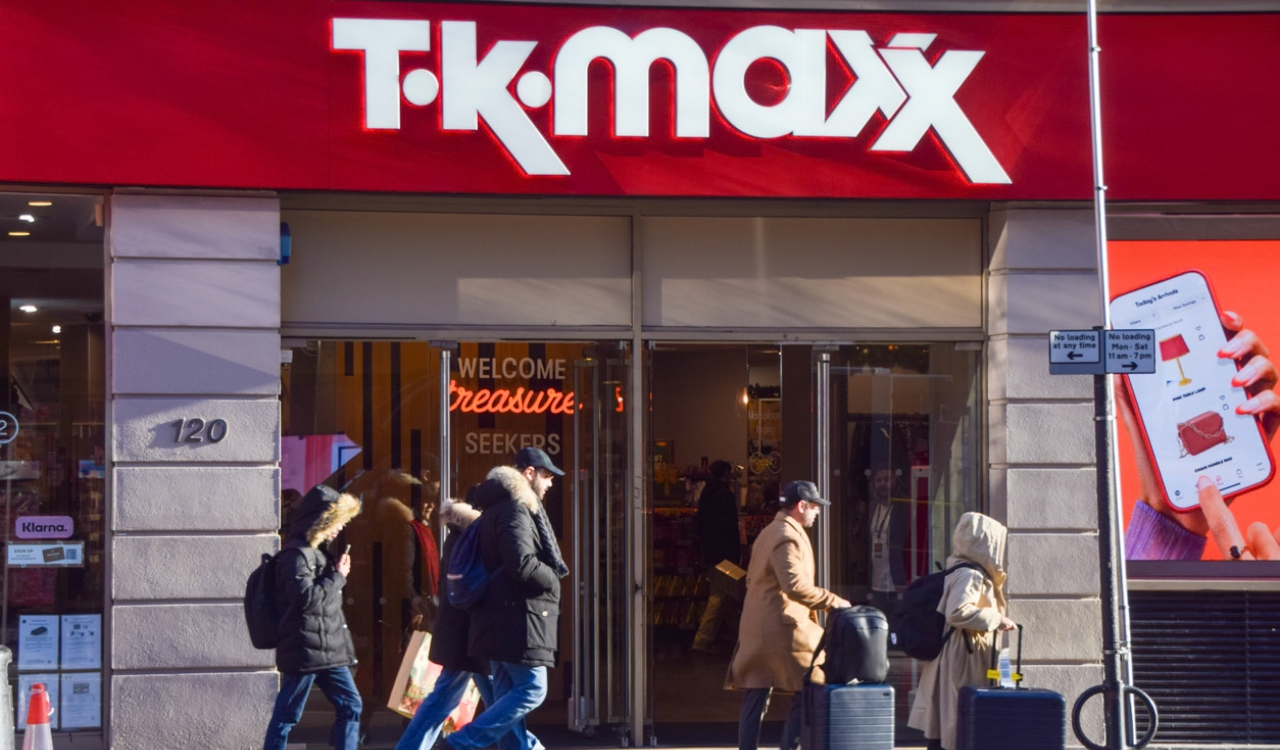
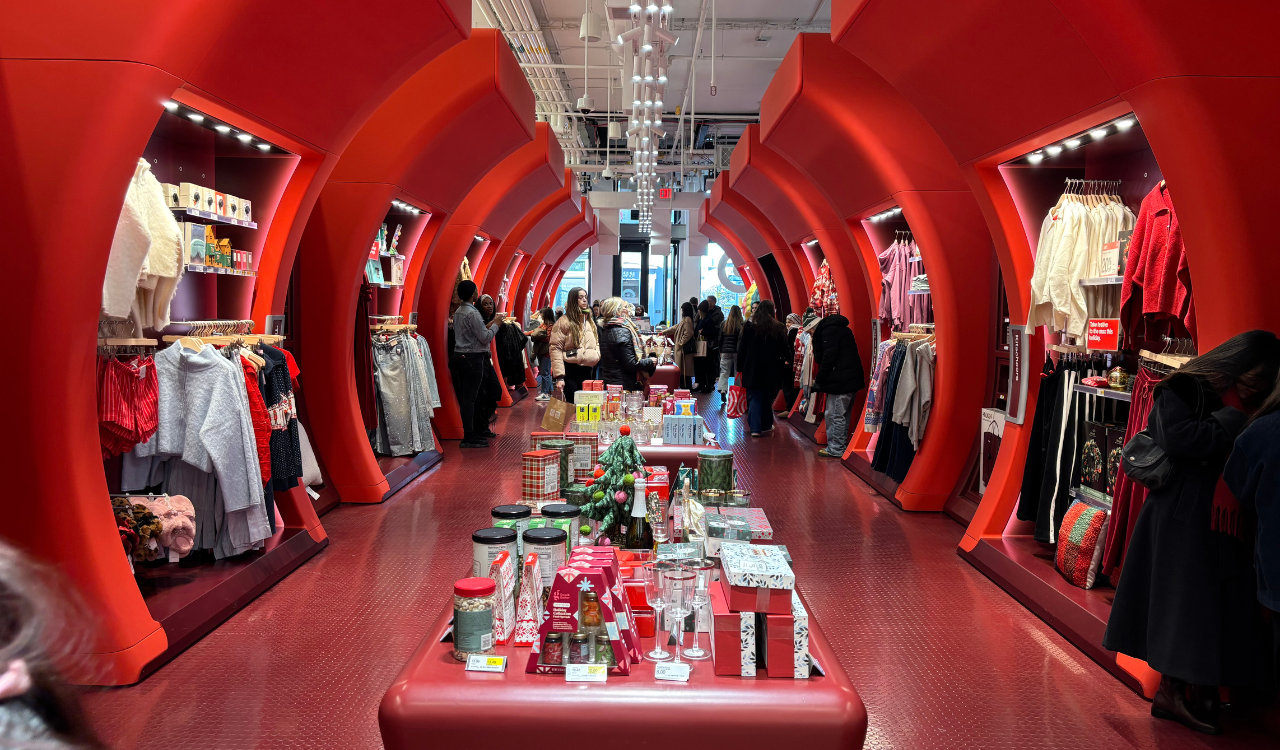
Scale does not have to mean homogenized sameness. The retailers that succeed at scale identify a small number of non-negotiables. These are the elements that must remain consistent because they carry the brand’s emotional weight. Walmart does this with pallets in the aisle that highlight great deals because their customers expect this. HomeGoods merchandising can feel messy, but it works because their customer wants to treasure hunt. Everything else can flex.
From Transaction to Connection
Retailers who want to deepen their connection with their customers must start treating physical space as a strategic asset rather than an operational line item. This means asking four focused questions as part of the branding exercise.
- What does our brand stand for?
- Which physical elements best express that?
- What can we remove to make that story clearer?
- Where are we adding noise instead of meaning?
The answers will not be the same for every brand. They shouldn’t be. But when retailers get this right, stores stop being places customers visit out of habit. They become places customers choose to return to because they feel something worth experiencing. And that feeling is what turns retail from transactional to enduring.