

There’s a memorable scene in Emily in Paris where Emily carries a striking yellow Le Pliage Filet while shopping at a Parisian market. While Longchamp may not carry the same designer cachet as the Fendi Baguette or Lady Dior, which also appear in the series, it’s a reminder that masstige never goes out of fashion and may be the ultimate winning hand for aspirational luxury customers.
Masstige Growth
Masstige brands don’t have it easy being stuck in the middle between exclusivity and accessibility. They are mass-produced, relatively inexpensive goods that are marketed as luxurious or prestigious. The road to success for masstige brands can be fragile. Michael Kors, the original poster child of masstige, was a victim of its own overexposure, lack of focus, and brand erosion; it has yet to fully recover. Capri’s Q2 Fiscal 2026 results showed that Michael Kors’ revenue was $725 million, down 1.8 percent year over year, improving from a 5.9 percent decline in the previous quarter. A similar trend has played out for Kate Spade, which has already launched a Kate Spade Outlet Black Friday Preview Sale. Tapestry announced that the label recorded a 9 percent decline in sales to $260 million in Q1 fiscal 2026.
Brands that get the balance right, selling aspirational luxury at accessible prices, can deliver impressive returns. According to media reports, Longchamp’s revenue grew by 44 percent in fiscal 2023 and by 20 percent in fiscal 2024. Similarly, Ralph Lauren’s revenue rose 17 percent to $2 billion in Q2 of fiscal 2026, while Coach’s sales increased 22 percent to $1.4 billion in Q1 of its fiscal 2026.
In Chicago, shoppers can pick up an affordable logo-emblazoned polo shirt at a Ralph Lauren store, enjoy a $6 latte at Ralph’s Coffee, and have a $43 lobster roll at RL Restaurant. Accessibility is experience-driven: For aspirational consumers, “being there” gives them a taste of luxury.
Trading on Aspiration
Aspirational customers are a complex mix of behaviors. They buy products not necessarily for their function, but rather to project a desired status or lifestyle, typically associated with luxury or success. They are willing to pay for selective higher-end goods to reflect their taste and financial status. They are motivated by the symbolic value of brands that align with their self-identity. And they are big business. According to recent BCG & Altagamma research, 55 percent of the luxury market can be attributed to aspirational consumers who spend less than €2,000 per year.
Masstige is rich in symbolism; status combined with self-expression. According to The Lyst Index Q3 2025, which ranks fashion’s “20 hottest brands,” masstige brand Coach was ranked fifth and Ralph Lauren ninth. For many first-time buyers, Longchamp’s (not among the top 20) Le Pliage is an entry point to a luxury-like experience. These universally recognizable nylon bags with leather trimmings symbolize “French chic” and have created a brand community that is active and engaged on social media (#LongchampBagGirl).
Aspiration sells products, such as Taylor Swift’s striped Ralph Lauren engagement dress and social media coverage of Bella Hadid carrying a Coach Tabby bag during Paris Fashion Week. However, survey data suggest that Gen Z and Gen Alpha prioritize distinctive products that are self-expressive. This is how the Coach Brooklyn and Empire bags made a market impact. Aspirational products thrive on a concoction of marketing, social media and timing, delivering the right product at the right cultural moment.
Affordable Ersatz Luxury
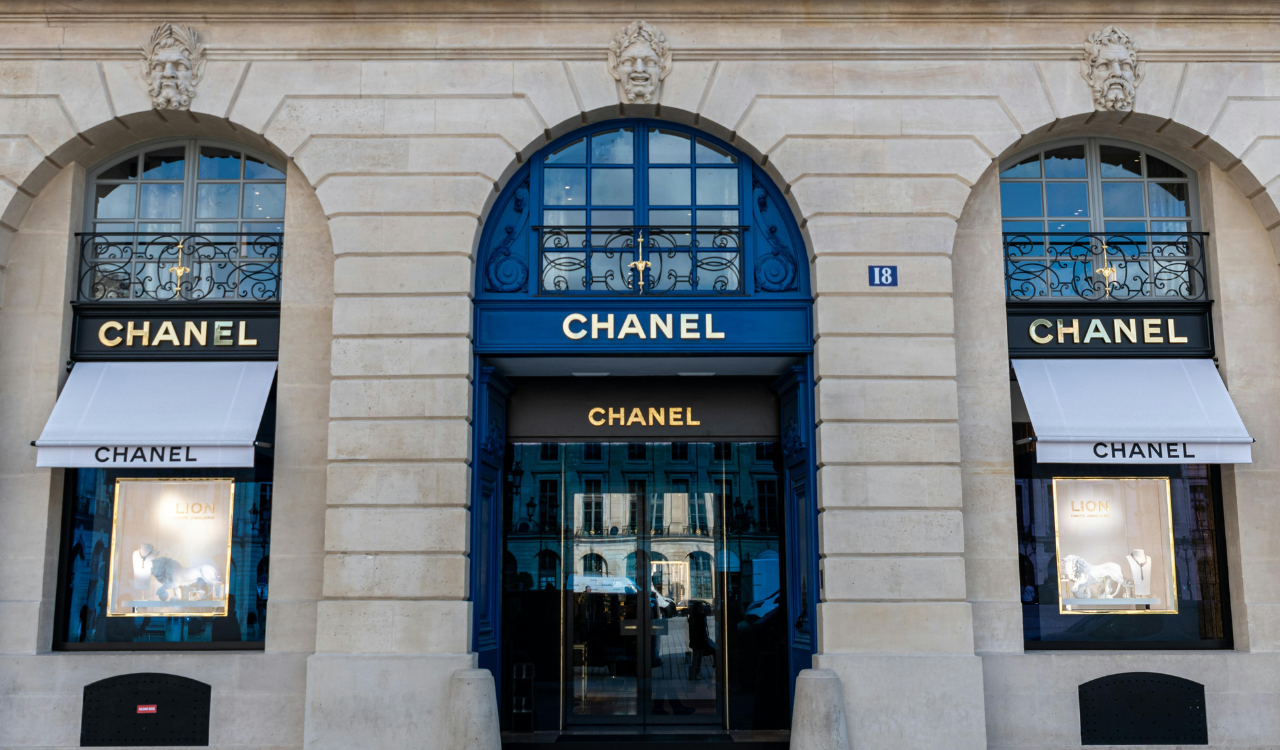
Masstige is about building and nurturing relationships. It is often easier to do so through a $150 Le Pliage bag than through a $11,000+ Chanel classic. Price always remains a barrier for many aspirational and luxury buyers. According to the EY Luxury Client Index, 62 percent of luxury clients considered buying a luxury product but decided against it, primarily due to price. Masstige bridges the gap to luxury. The WWD x BCG Future of Fashion Report notes that next gen wants to impress others but is less willing to pay a premium for that right. Competitive pricing gives masstige brands a natural advantage at a time when discerning consumers are increasingly questioning both the perceived and real value of luxury. Masstige brands like Ralph Lauren provide access to offerings at various entry points to own a piece of the more coveted Lauren luxury brand.
However, price is only one factor in the value equation. Consumers expect masstige brands to deliver beyond the average product and service performance. For example, customers can customize a Le Pliage bag online, Coach offers complimentary leather care and cleaning service for life, and Ralph Lauren has recently launched Ask Ralph, an AI styling and shopping assistant. In each case, masstige brands work to exceed customer expectations and redefine the traditional boundaries of value. It’s worth the investment to try to retain customers. According to the WWD Report, next-gen consumers are 20 percentage points less likely than older generations to buy the same brand consistently.
Accessibility
Masstige is more democratic than luxury. It reaches a broader audience, although masstige retail is strongly prestige driven. Brands are deliberate about location. For example, Longchamp invests in flagship stores in prime locations that evoke luxury and style, such as SoHo in New York (La Maison Unique, reopened in April 2025) and the Champs-Élysées in Paris. Keying into ROE (return on experience), the savvy masstige brands offer customers the ability to experience the brand across different cultural contexts. In Chicago, for instance, shoppers can pick up a $110 logo-emblazoned polo shirt at a Ralph Lauren store, enjoy a $6 latte at Ralph’s Coffee, and have a $43 lobster roll at RL Restaurant. Accessibility is experience-driven: For aspirational consumers, “being there” gives them a taste of luxury.
A Delicate Balance
The success of Longchamp, Coach, and Ralph Lauren lies in selling accessible luxury to aspirational customers without compromising their brand image. Younger cohorts drive both current and future growth. According to Tapesty’s 2024 annual report, Coach gained over 6.5 million new customers in North America over the past year, with Gen Z and millennials accounting for more than half of that number. The masstige segment in fashion is highly competitive, and tariff pressures mean that these brands must adopt creative strategies to preserve their sense of prestige and still attract customers. As aspirational customers reflect on their spending priorities, the future of luxury will depend on how brand executives can translate desirability into sustained growth. Ask any fan of Emily in Paris, and they’ll tell you that luxury can be exclusive, yet still feel just within reach.