
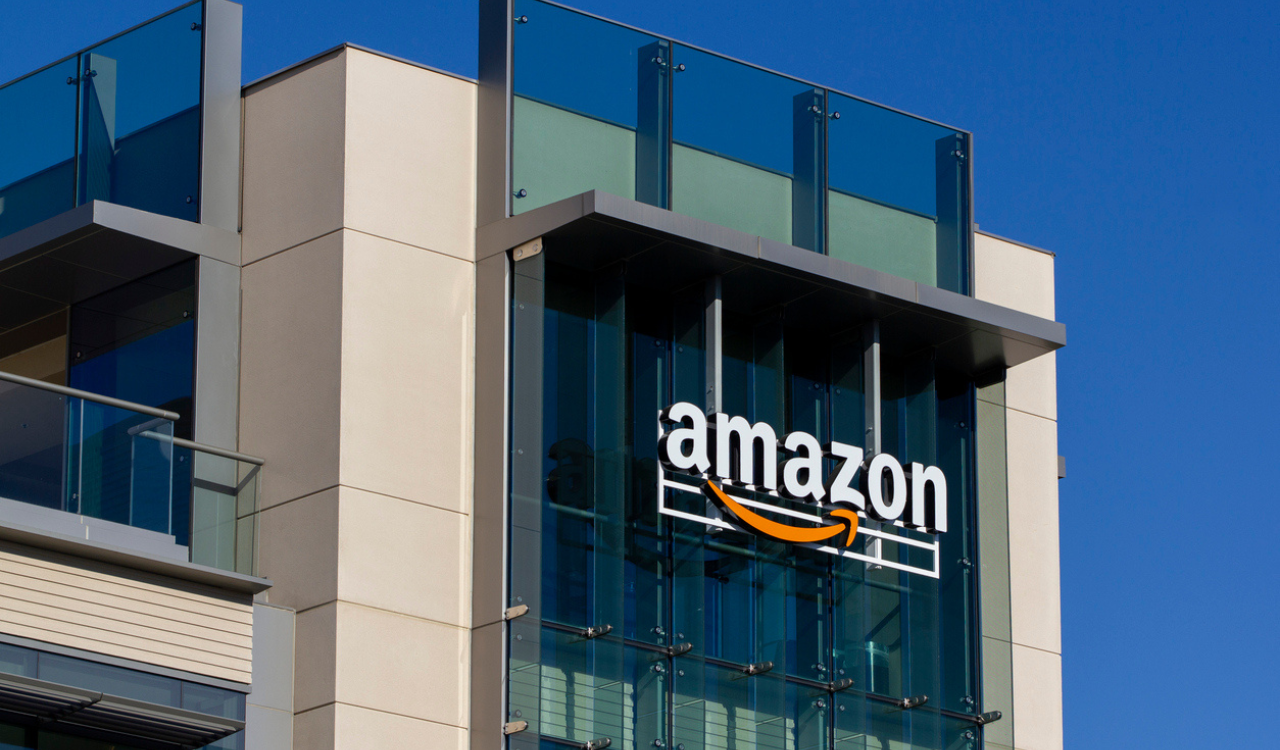

Is Amazon ever going to get its physical retail right? We have written for years about its Achilles Heel: lack of experienced retail leadership. Our namesake founder Robin Lewis always made the point that Amazon’s big problem was that they didn’t have any merchants, only tech wonks. So they could never figure out how to operate a retail business…much less physical stores. It’s why they open stores and then close them. This week, all Amazon Go and Fresh stores are being shuttered. It’s an Amazon roller coaster made possible by deep pockets and the willingness to fail.
And now there’s all the hoopla about Amazon’s plans for a new giant store in the Chicagoland market that is expected to lean heavily on grocery and online fulfillment as a billboard for a direct challenge to Walmart’s dominance in physical stores. But please, let’s not forget one thing: this is ONE friggin’ store. Walmart has 4,606…as of this morning.
And just to put a finer point on that discussion, it is yet another attempt by Amazon to find the right formula for physical retailing. Up until now, those efforts have been pretty dismal with more dead ends than a suburban residential development. Why should anyone think this one will be any different? Maybe the fulfillment part of the store will save it, but it’s another gamble.
Can Amazon ever make it in its own physical stores? And the answer is: Unlikely.
The Big Store
This new Amazon store, when it opens in 2027, is, in fact, big: 230,000 square feet. It’s twice the size of the typical Walmart and even more compared to other category competitors like Costco and Target. You can forget about supermarkets like Kroger or Jewel-Osco brands, which are perhaps a third or a quarter the size. Located in the Chicago suburb of Orland Park (about 25 miles southwest of downtown), the store will devote about half its space to conventional retail, dominated by the grocery sector, although there will also be general merchandise. The rest of the space will be used as a fulfillment center for digital orders, either placed online or in the store itself.
The model follows other retailers like Target and Walmart that use physical stores as online fulfillment depots. The difference in Amazon’s case seems to be that online orders will be picked and packed from the warehouse side of the building rather than from store shelves. That also follows Amazon’s strategy of setting up fulfillment centers closer and closer to where its customers live rather than just having giant DCs on the outskirts of towns. So far, so good for a plan.
But Then There’s This…
Amazon always seems to have plans that have failed for expanding into physical stores. Whether it’s been small and mid-size grocery stores under a dizzying assortment of banners, general merchandise outlets like its Four Star or bookstores, or any number of pop-up locations with a variety of merchandise mixes and assortments. To repeat, the only constant has been that most have failed. By one estimate, Amazon has shut down at least 100 different stores, and now it will add to that total with the closing of its Fresh and Go locations, about 70 in total between the two nameplates. It plans to convert some of them to Whole Foods.
This circling the wagons around the Whole Foods name would seem to be long overdue, rather than this bizarro brand fragmentation strategy the company has pursued in the grocery business. Amazon bought the upscale foodie in 2017 and now operates about 530 locations, with a track record of having opened and closed stores along the way. This was supposed to be Amazon’s ticket to the grocery sector, as a learning curve to master the business and serve as its base to become a big player in food. It hasn’t worked out quite as they envisioned. Amazon has clearly spent a lot of time, resources and money trying to find the right hook for groceries.
Wouldn’t you love to see how much money they’ve lost trying to figure out the store business? One of the few times it said anything publicly was in 2022 when it posted a $720 million “impairment charge” for store closings in its fourth quarter. All together, what they’ve lost has got to be a lot more… and a lot more than a rounding error, even for a guy like Bezos.
And now this focus on the Whole Foods name would seem to run counter to plans for this new ginormous store in Chicago. Why restart the Amazon name in food when clearly it hasn’t worked, and you’re now saying Whole Foods is your meal ticket in grocery? Are we missing something here?
Do the Math
Amazon is believed to control somewhere around 40 percent of the entire ecommerce sector; food has been anointed as the holy grail of expansion. Along with fashion, it’s the only category that will provide the size and scale it needs to move its $635 billion needle further to the right. Adding another frying pan or a pack of batteries is just not going to make that revenue grade.
Across the retail landscape, Walmart is pursuing its own strategy. With in-store revenues growing at a slower pace than in its heyday, the Boys from Bentonville see ecommerce as the way to build its total sales. To be fair, Amazon has had its struggles in physical retail; it’s taken Walmart quite a while to figure out its online strategy with its own collection of dead ends and wrong turns—anybody remember Bonobos or Moosejaw? Once Walmart finally figured out that it was grocery where it should be putting its digital emphasis, things began to click…literally. Still, it is miles behind Amazon in ecommerce with its market share still roughly in single digits.
At its current rate of digital growth, it will take Walmart years—decades, in fact—to get close to Amazon in ecommerce. In fact, projections are that Amazon will pass Walmart in total corporate revenues, although this does include AWS web services, Prime streaming and whatever else is in the company’s bag of tricks. Then again, Walmart also has an increasingly bigger business in non-retail sectors like online advertising, so comparisons are getting harder and harder to judge.
So, it’s a moving target, and that’s the problem Amazon faces in the grocery business. Even if this new Chicago store is the absolute best thing since sliced bread, and sells a ton of it every day, it has a daunting task to catch up to Walmart, or even smaller players like Kroger or Costco. How long? If by some crazy push, Amazon opens 30 or 40 giant supermarkets a year, that’s at least 100 years before it gets in Walmart’s league. See you in 2127 if you want to mark it in your datebook.
We get it that every retailer is going after market share and trying to expand into classifications where it is not a big player. That’s just good business. But before everyone gets bent out of shape on this new Amazon store, let’s remember their track record on new store formats. And let’s remember to have our calendars handy too.
We might have seen this movie before.