

In fashion, loyalty used to be about self-identity. Consumers aligned themselves with brands that reflected their aspirations; what they wore expressed who they were. But in today’s marketplace, particularly among Gen Z, that question has flipped. The next generation of consumers is defining brands by what they do, how they treat people and the planet, and their ethics. According to Bloomberg, Gen Z now represents roughly 40 percent of global consumers and wields more than $360 billion in spending power in the U.S. alone. Their influence reaches far beyond direct purchases, shaping the expectations of millennials and Gen Alpha as well. This attitude has triggered a sea change in sustainability practices and brand perception.
Proof Not Promises
We’ve had a front row seat to this branding shift. Through our work with manufacturers and retailers worldwide, we’ve seen a clear trend emerge. Younger consumers are no longer content with feel-good promises or marketing spin. They want proof. They want evidence. They are not afraid to call out greenwashing when they see it. The implications for fashion brands are enormous. Brands are being forced into an era of radical accountability. Verified transparency, not performative sustainability, now determines long-term trust.
When proof becomes the foundation of brand storytelling, loyalty follows. Younger consumers are not inherently cynical. They are discerning. They want to believe, but they need reasons to.
Social Media: The Great Accountability Engine
In the past, sustainability initiatives lived quietly behind the scenes. They were buried in CSR reports, hangtags or press releases. Today, it plays out in real time, in public, across social feeds. Platforms like TikTok, Instagram and Reddit have turned fashion transparency into a competitive sport. On TikTok alone, hashtags related to sustainable fashion have racked up billions of views, reflecting how the sustainability discourse has become simultaneously mainstream in entertainment, education and advocacy. Armed with smartphones and a growing knowledge base, consumers—many of them Gen Z—are dissecting supply chains, analyzing fiber content and fact-checking corporate claims. Hashtags like #WhoMadeMyClothes and #Greenwashing have become rallying cries of a generation demanding authenticity.
What makes this especially powerful is that the conversation does not stop with the product. It extends to brand leadership, labor practices, packaging and even partnerships. When a brand’s actions contradict its sustainability narrative, word spreads fast and loyalty erodes even faster. Executives who once viewed social media primarily as a marketing channel are now realizing it is also a watchdog. The same platforms that once drove demand now drive discernment.
From Performative to Proven: The New Definition of Sustainability
For years, fashion leaned heavily on storytelling to communicate sustainability. Words like “eco-friendly,” “natural,” and “conscious” dominated marketing campaigns, often without clear definitions or data to back them up. Those days are over. Gen Z is fluent in sustainability language and quick to spot when it is being misused. This generation expects specificity. What chemicals were used in the dying process? Were the workers paid fairly? How much water did manufacturing this fabric consume?
It is not that they have lost faith in brands; they have raised the bar. They understand that sustainability is not a single attribute but a systemic practice that touches every part of production. Performative gestures such as limited-edition “green” collections, one-off donations or broad statements of intent no longer impress. In fact, they often backfire, signaling that a company is more focused on optics than outcomes.
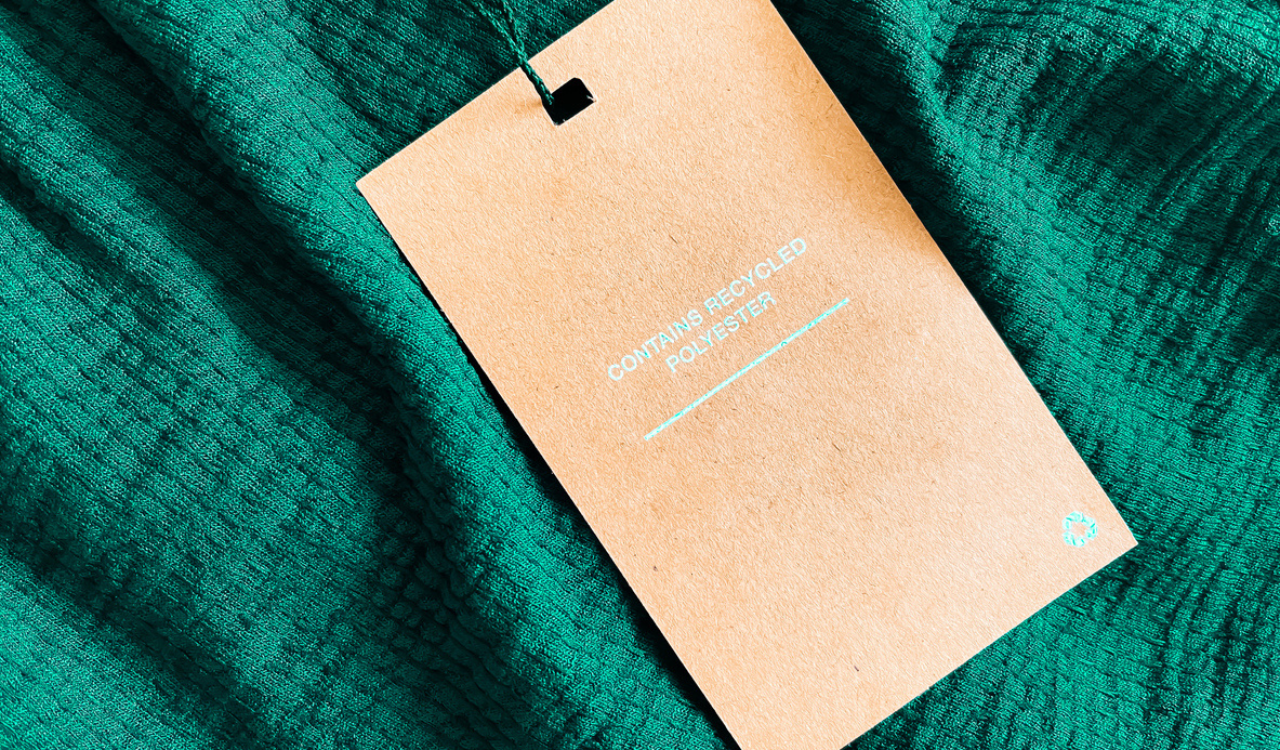
Certifications that once felt like behind-the-scenes quality markers are now consumer-facing trust signals. Trustworthy labels have become proof points; tangible indicators that a product has been independently tested against harmful substances and produced under safer, more transparent conditions. This evolution underscores a critical shift. Brands can no longer say they are sustainable. They have to prove it.
Verified Transparency: The Future of Brand Trust
Trust in fabrics has become transactional and evidence based. Consumers are willing to invest in brands that share verifiable data and undergo third-party testing. Those brands that rely solely on self-reported claims risk losing credibility. For many companies, this challenge feels daunting. But it is also an opportunity. Certifications, testing and traceability systems build consumer confidence and strengthen internal accountability. They push brands to ask better questions of their suppliers, close knowledge gaps in chemical management and reduce risk at every level of the value chain. We issued more than 57,000 certifications globally last year, an eight percent increase from the previous year, demonstrating that verification has moved from niche to necessary.
When a brand can confidently say, “Every material in this garment has been tested against harmful substances,” it is not just good PR. It is good business. It minimizes regulatory exposure, prevents reputational damage and meets growing expectations of investors and policymakers, not just consumers. The brands that will win Gen Z are those that embrace transparency as a core business strategy, not a marketing afterthought.
What Proof Not Promises Means for Fashion
Executives today are dealing with a complex landscape of consumer skepticism, supply chain disruption and regulatory scrutiny. While it is tempting to think of sustainability as a communications challenge, it really is an operational one. “Proof Not Promises” requires rethinking how decisions are made, data is collected, and stories are told. It means aligning marketing with manufacturing and compliance with creativity. It means investing in systems that verify safety and responsibility before a product ever hits the shelf.
The upside? When proof becomes the foundation of brand storytelling, loyalty follows. Younger consumers are not inherently cynical. They are discerning. They want to believe, but they need reasons to. In our work across the textile ecosystem, we see this play out daily. Brands that commit to verified transparency do not just earn trust; they retain it. Their customers become advocates, not just buyers.
The Takeaway: A More Honest Industry Wins
Gen Z has rewritten the rules of engagement for fashion. They have turned brand loyalty into a meritocracy where transparency, accountability and proof determine who earns their trust. The question for executives is not whether this generation cares about sustainability; it is whether you can prove your brand does.
In a market defined by scrutiny, those who prioritize verified transparency will not only weather the shift but lead it. The future of fashion loyalty is not built on perfect storytelling. It is built on honest systems.
Note: For more than 30 years, OEKO-TEX® has offered standardized solutions that companies in the textile and leather industry can use to transparently and sustainably optimize their manufacturing processes. Products and suppliers certified by OEKO-TEX® can be found at https://www.oeko-tex.com/en/buying-guide. Follow OEKO-TEX® on Facebook, Instagram, LinkedIn and WeChat.